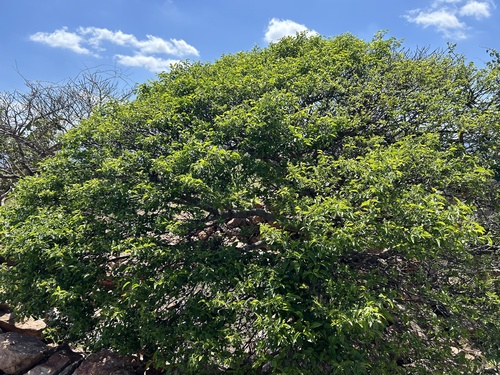
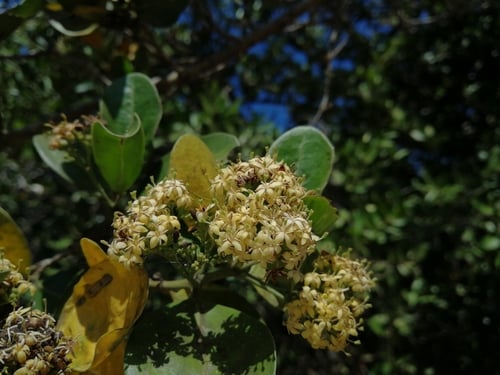
Rudgea viburnoides
(Cham.) Benth.
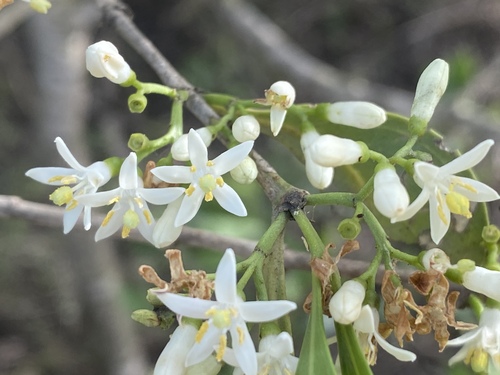
iNaturalist· cc-by-nc
(c) Laurent Quéno, some rights reserved (CC BY-NC), uploaded by Laurent Quéno
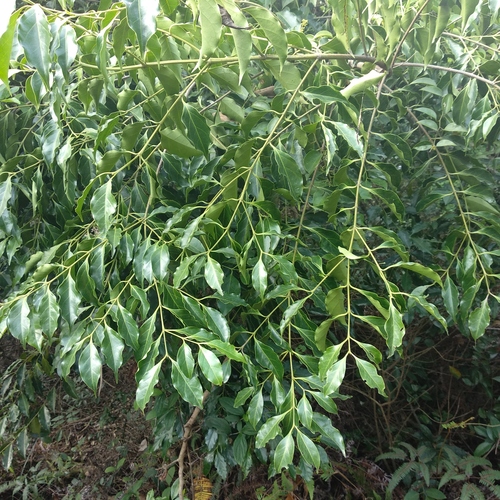
iNaturalist· cc-by
(c) Paulo C. O. Cunha, some rights reserved (CC BY)
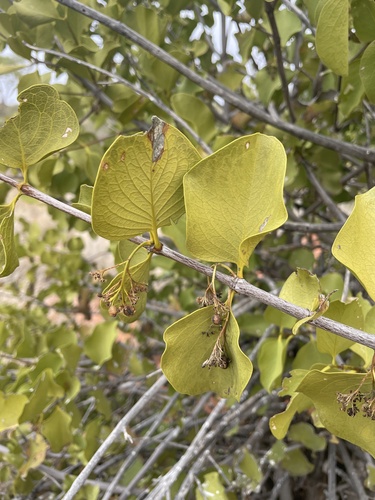
iNaturalist· cc-by
(c) Paulo C. O. Cunha, some rights reserved (CC BY)
Description
A shrub in the Rubiaceae family found in tropical regions.
This description is brief — help expand it
Edible Uses
The fruit is potentially edible.
Medicinal Uses
Rudgea viburnoides has been used for about three hundred years in popular medicine in Brazil, especially in the state of Minas Gerais. Various parts of the plant possess different medicinal properties. The plant should be used with some caution, however, because it can be toxic in larger doses. Chemical examination of the plant has revealed the presence of flavonoids; a new triterpene (viburgenin); saponins (arjunglucoside and trachelosperosides B-1 and E-1) and other triterpenes (trachelosperogenin B and arjungenin). The stem bark and the root bark contain various alkaloids, including 'paracotoina' and 'cotoina'. The latter, combined with formic aldhyde, forms an artificial alkaloid called 'fortoina' - this is comprised of yellow crystals that are without flavour but with the aroma of canella. It is very soluble in water and little soluble in alcohol and benzine. These alkaloids, sometimes even the simple bark, have produced good results when used in Europe for the treatment of rheumatism, gout, catarrhal enteritis, night sweats of tuberculosis and ulcers of the stomach. In addition, fortoina is an effective specific in the treatment of all forms of diarrhoea, including infantile diarrhoea. The leaves are antirheumatic, antisyphilitic, diuretic, emetic (in larger doses) and tonic. An infusion is an effective treatment for rheumatism and syphilis, useful also in the treatment of asthenia, dyspepsia and swelling of the limbs. Other conditions treated include bladder and urinary tract diseases, high blood pressure and recently it has been indicated for weight loss diets. The root bark and stem are a good blood cleanser. They are an effective treatment for gout, the nocturnal sweating of tubercular patients, stomach ulcers and rheumatism. The ripe fruit rinds exhibited a moderate antifungal activity against Cladosporium cladosporioides.
Known Hazards
Although used medicinally, the plant can be poisonous in larger doses, causing a violent colic and vomiting.
Distribution
It is a tropical plant.
Where It Grows
Bolivia, Brazil, South America,
Cultivation
A plant of the tropics, found at elevations from near sea level to over 1,300 metres. Where it grows in the savannah of central Brazil, it experiences a mean annual temperature ranging from 18 - 22°c, with lows below 15°c in the cool season. Mean annual rainfall ranges from 900 - 1,800mm. Grows best in a sunny position. Often found in deep, well-drained, moist soils that can be low in nutrients.
Propagation
Seed - best sown as soon as it is ripe in a sunny position in a nursery seedbed. Sow them on the surface of the soil and then water them copiously but carefully to bury them into the top layer of the soil without washing them away. A low germination rate can usually be expected, with the seed sprouting within 30 - 40 days. When the seedlings are 4 - 5cm tall, pot them up into individual containers and they should be ready to plant out 6 - 7 months later.
Synonyms
Also Known As
Veludo
References (1)
- Bortolotto, I. M., et al, 2018, Lista preliminar das plantas alimenticias nativas de Mato Grosso do Sul, Brasil. Iheringia, Serie Botanica, Porto Alegre, 73 (supl.):101-116