Asclepias subulata
Decne.
Rush milkweed, Desert milkweed
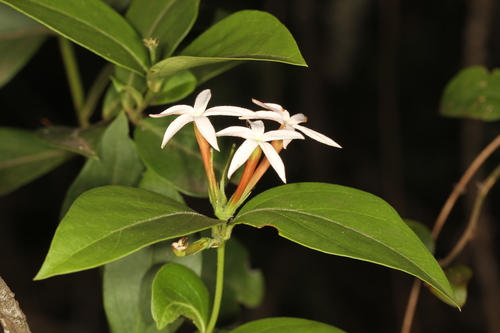
iNaturalist· cc-by-nc-sa
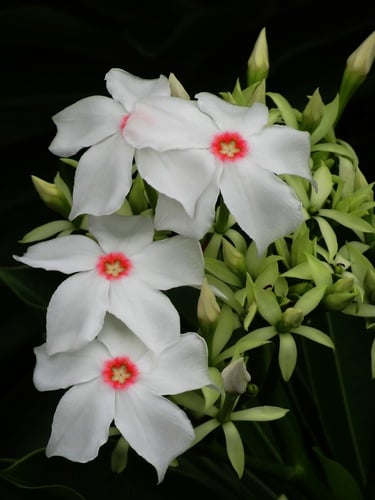
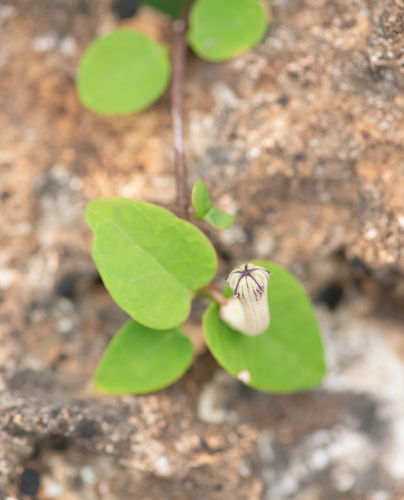
(c) Marshal Hedin, some rights reserved (CC BY-NC-SA), uploaded by Marshal Hedin
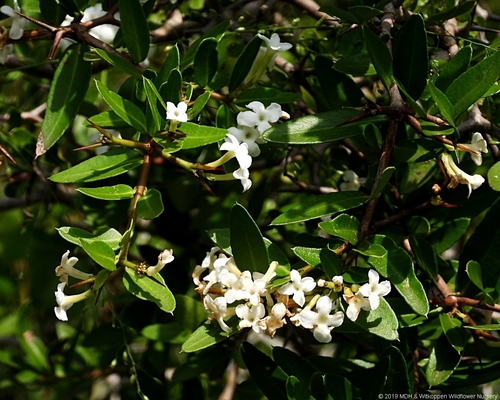
iNaturalist· cc-by-nc-sa
(c) 2012 Keir Morse, some rights reserved (CC BY-NC-SA)
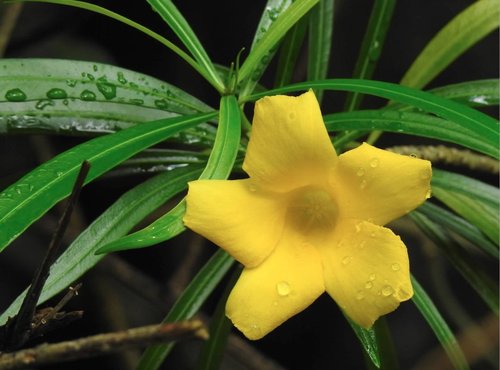
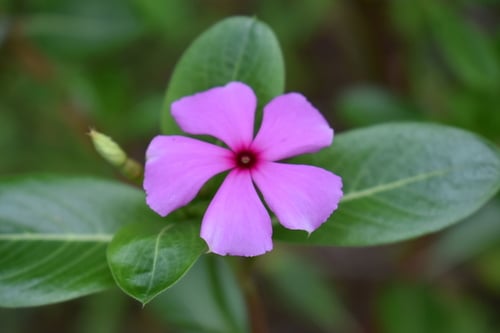
iNaturalist· cc-by-nc
(c) Fred Melgert / Carla Hoegen, some rights reserved (CC BY-NC), uploaded by Fred Melgert / Carla Hoegen
Summary
Source: WikipediaAsclepias subulata is a species of milkweed known commonly as the rush milkweed, desert milkweed or ajamete. This is an erect perennial herb which loses its leaves early in the season and stands as a cluster of naked stalks. Atop the stems are inflorescences of distinctive flowers. Each cream-white flower has a reflexed corolla that reveals the inner parts, a network of five shiny columns, each topped with a tiny hook. The fruit is a pouchlike follicle that contains many flat, oval seeds with long, silky hairlike plumes. This milkweed is native to the desert southwest of the United States and northern Mexico. It grows in dry slopes, mesas, plains and desert washes. Researchers in Bard, California, tested the plant as a potential source of natural rubber in 1935. Asclepias subulata is a larval host for the monarch butterfly and the queen butterfly.
Description
A herb. It only produces leaves after rain. They are small. The stems are 1-1.5 m long. The flowers are greenish-white. The fruit are narrow pods.
Edible Uses
None known
Medicinal Uses
Emetic Ophthalmic Purgative Stomachic The plant is emetic, ophthalmic, purgative and stomachic. The reports do not specify which part of the plant is used.
Known Hazards
Although no specific reports have been seen for this species, many, if not all, members of this genus contain toxic resinoids, alkaloids and cardiac glycosides. They are usually avoided by grazing animals. One report says that the plant is considered poisonous by some native North American Indian tribes.
Distribution
It is a temperate plant. It is a desert plant.
Where It Grows
North America, USA,
Cultivation
Experimental Crop Industrial Crop: Hydrocarbon Management: Hay. Prefers a well-drained light rich or peaty soil in a sunny position. Succeeds in poor soils. Many members of this genus seem to be particularly prone to damage by slugs. The young growth in spring is especially vulnerable, but older growth is also attacked and even well-established plants have been destroyed in wet years. Plants resent root disturbance and are best planted into their final positions whilst small. A xerophytic plant, it looks like a species of Ephedra. The flower of many members of this genus can trap insects between its anther cells, the struggles of the insect in escaping ensure the pollination of the plant.
Propagation
Seed - best sown in a greenhouse as soon as it is ripe in the autumn or in late winter. We have also had good results from sowing the seed in the greenhouse in early spring, though stored seed might need 2 - 3 weeks cold stratification. Germination usually takes place in 1 - 3 months at 18°c. As soon as the seedlings are large enough to handle, prick them out into individual pots and grow them on in the greenhouse for their first winter. Plant out when they are in active growth in late spring or early summer and give them some protection from slugs until they are growing away strongly. Division in spring. With great care since the plant resents root disturbance. Pot the divisions up and place them in a lightly shaded position in the greenhouse until they are growing away strongly, then plant them out in the summer, giving them some protection from slugs until they are established.. Basal cuttings in late spring. Use shoots about 10cm long with as much of their white underground stem as possible. Pot them up individually and place them in a lightly shaded position in a greenhouse until they are rooting and growing actively. If the plants grow sufficiently, they can be put into their permanent positions in the summer, otherwise keep them in the greenhouse until the following spring and when they are in active growth plant them out into their permanent positions. Give them some protection from slugs until they are established.
Other Uses
Latex Rubber can be made from latex contained in the leaves and the stems. The dogbane-milkweed family Asclepias, Apocynum, Calotropis, and Trachomitum spp) has been used for fiber industrial crops for millennia with a number in cultivation as regional crops. All of these crops are dual-purpose fibres, offering bast fibres from the stem and seed finer or ‘floss’ in the fruit pods. Many have also been identified as potential hydrocarbon crops due to high latex content. Could be integrated into various agroforestry systems rather than as monocultures [1-1]. Special Uses Carbon Farming
References (1)
- World Checklist of Useful Plant Species 2020. Royal Botanic Gardens, Kew