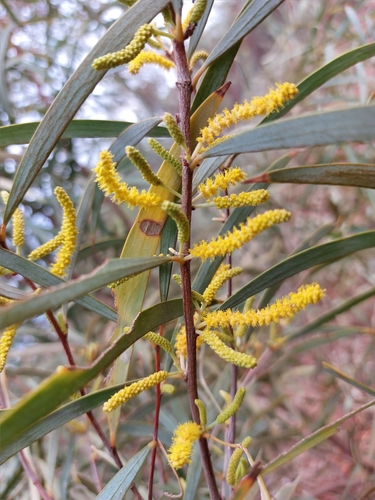
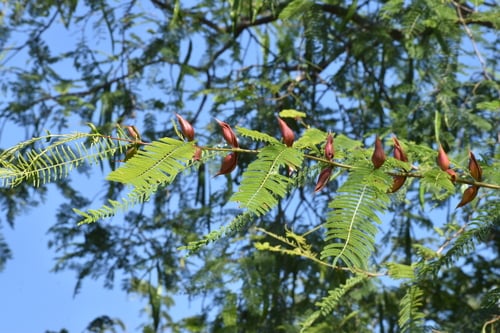
Vachellia lahai
(Steud. & Hochst. ex Benth.) Kyal. & Boatwr.
iNaturalist· cc-by-nc-sa
(c) Smithsonian Institution, National Museum of Natural History, Department of Botany, some rights reserved (CC BY-NC-SA)
iNaturalist· cc-by-nc
(c) David Bygott, some rights reserved (CC BY-NC)
Description
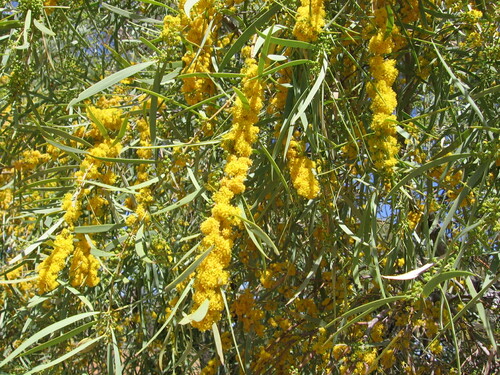
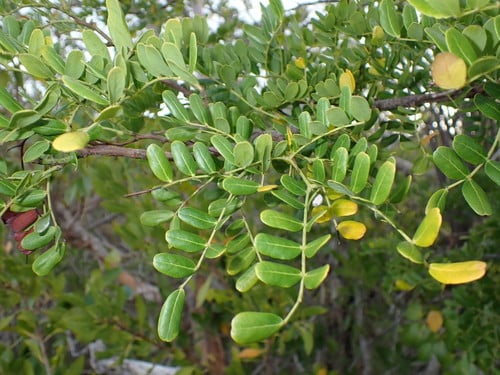
A tropical shrub or small tree in the Fabaceae family, growing 3–15 m tall at elevations of 1,500–2,700 m.
This description is brief — help expand it
Edible Uses
Gum from the plant is eaten.
Medicinal Uses
The bark is astringent. It is used for the treatment of skin eruptions in children, clearing toxicaemia of pregnancy and bowels. The bark of all Acacia species contains greater or lesser quantities of tannins and are astringent. Astringents are often used medicinally - taken internally, for example. they are used in the treatment of diarrhoea and dysentery, and can also be helpful in cases of internal bleeding. Applied externally, often as a wash, they are used to treat wounds and other skin problems, haemorrhoids, perspiring feet, some eye problems, as a mouth wash etc. Many Acacia trees also yield greater or lesser quantities of a gum from the trunk and stems. This is sometimes taken internally in the treatment of diarrhoea and haemorrhoids.
Known Hazards
Especially in times of drought, many Acacia species can concentrate high levels of the toxin Hydrogen cyanide in their foliage, making them dangerous for herbivores to eat.
Distribution
It is a tropical plant. It grows between 1,500-2,700 m above sea level.
Where It Grows
Africa, East Africa, Ethiopia, Kenya, Tanzania, Uganda,
Cultivation
Plants can be grown from seed.
Propagation
Seed - unlike most members of this genus, the seed of this species does not require pre-treatment.
Other Uses
The bark contains tannins. An aqueous extract is sprinkled on pottery to impart a reddish finish. The red wood is hard and durable. It is used in heavy construction, bridge making and as fence posts. The tree is a significant local source of firewood, and makes an excellent charcoal. A fast-growing tree that fixes atmospheric nitrogen. It is an important erosion control tree in wooded grasslands and savannah.
Synonyms
References (2)
- Fern, Useful Tropical Plants
- World Checklist of Useful Plant Species 2020. Royal Botanic Gardens, Kew