Trifolium willdenovii
Spreng.
Tomcat clover
wikimedia· cc-by-sa
Nicholaswei (via Wikimedia Commons)
gbif· cc-by-nc
Cat Chang
iNaturalist· cc-by-nc
(c) Joe Miller, some rights reserved (CC BY-NC), uploaded by Joe Miller
iNaturalist· cc-by-nc
(c) sarahaceae, some rights reserved (CC BY-NC)
iNaturalist· cc0
no rights reserved
iNaturalist· cc0
no rights reserved
Description
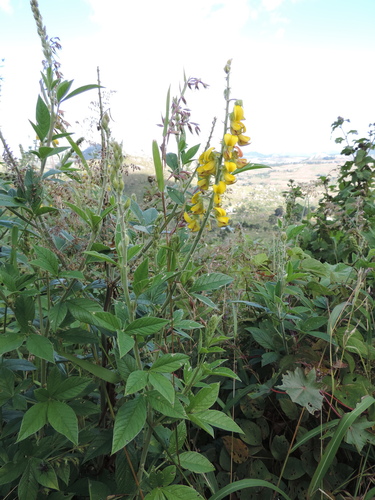
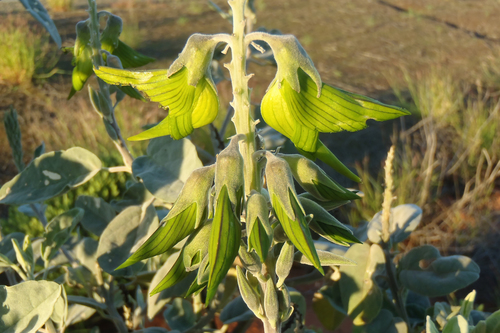
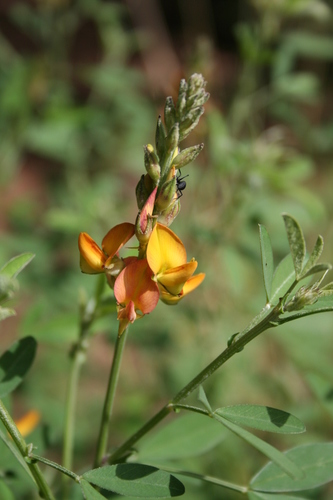
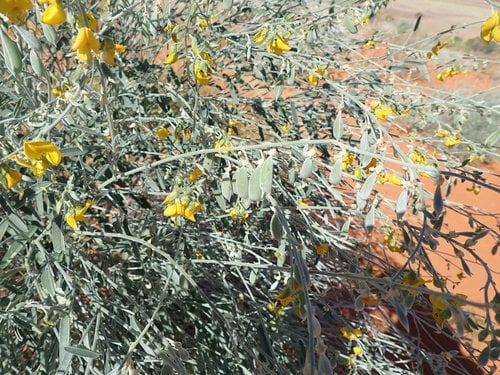
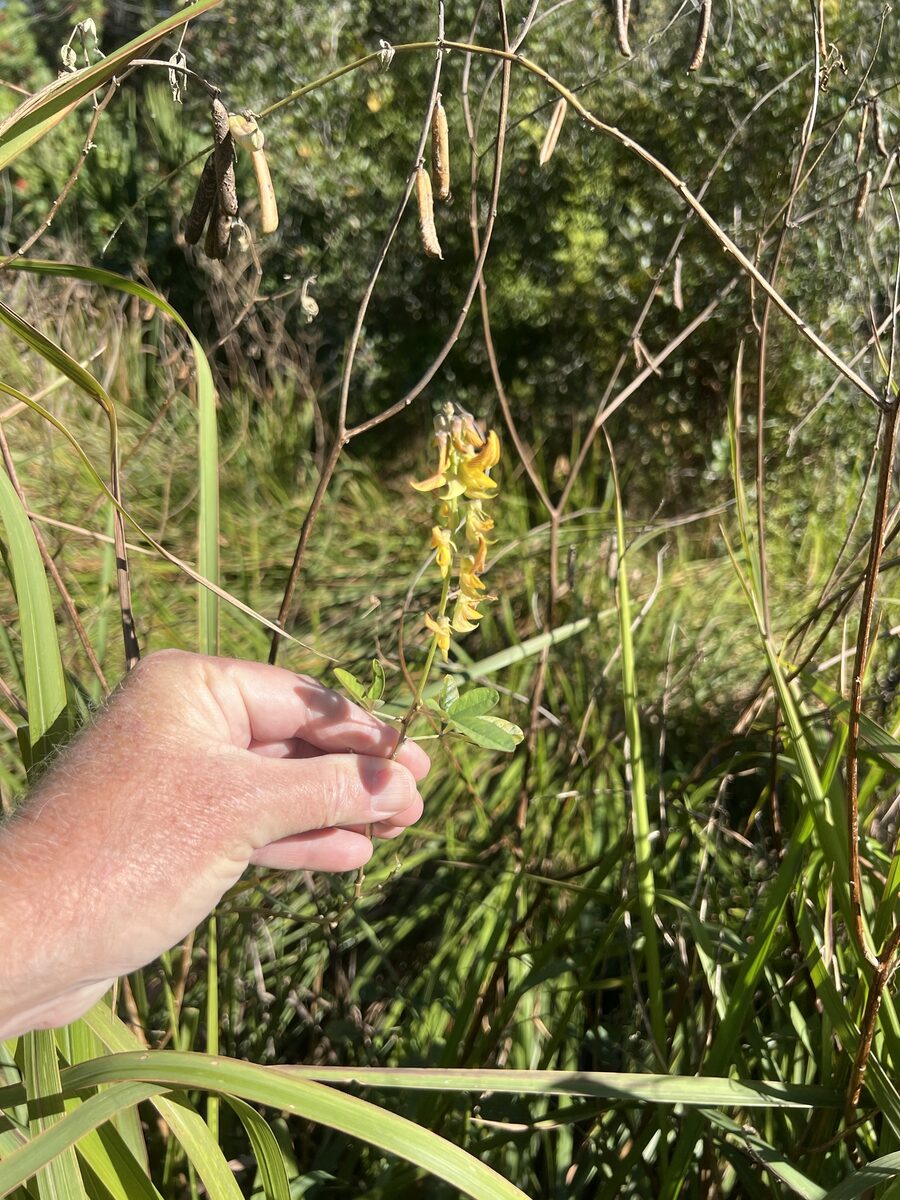
A clover herb. It grows 20 cm tall. The leaves are long. They are alternate and have leaflets like fingers. There are 3 leaflets 1-4 cm long. The edges usually have fine bristly teeth. The flowers groups are 1-3 cm wide. There are 6-60 pea like flowers arranged in a wheel like shape. They are purple. The fruit is a 2 seeded pod.
Edible Uses
Young leaves are eaten cooked or raw, and can be dried for use in soups, stews, and tea. Seeds are eaten raw or cooked, and can be sprouted for use in salads. Flower buds are also edible.
Traditional Uses
The young leaves are eaten cooked or raw. They can be dried and used in soups, stews and for tea. The seeds are eaten raw or cooked. Seeds can be sprouted and used in salads.
Distribution
It is a temperate plant.
Where It Grows
Canada, Mexico, North America, USA,
Synonyms
References (2)
- Moerman, D. F., 2010, Native American Ethnobotany. Timber Press. p 567
- www.wildediblefood.com