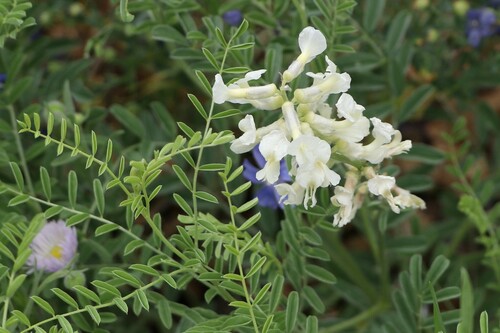
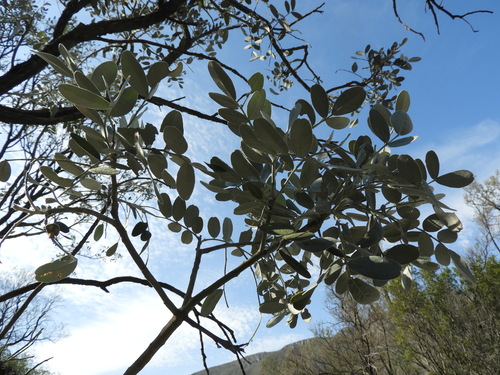
Vigna caracalla
(L.) Verdc.
Caracol, Corkscrew-flower, Snail-flower, Snail bean, Bertoni bean
iNaturalist· cc0
no rights reserved
iNaturalist· cc0
no rights reserved
iNaturalist· cc0
no rights reserved
Description
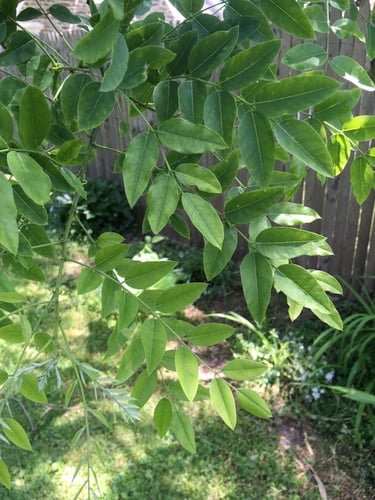
It is a short lived climber. It grows 3-6 m long. It spreads 3 m wide. The stems are twining. The leaves have 3 leaflets. The leaflets are oval and dull green. The flowers have a sweet smell. The flowers are coiled and shell shape. They are violet to pink. The pods also have a sweet smell and are coiled. The seeds are of several colours.
Edible Uses
The seeds are eaten and the root is used to assist fermentation of traditional drinks in Mexico.
Traditional Uses
The root is used to assist the fermenation of a drink in Mexico.
This uses section is brief — help expand it
Distribution
A subtropical plant. It grows in the tropics. It needs regular moisture in hot places. It will grow in most well-drained soils. In Argentina it grows from sea level to 1,500 m above sea level. It suits hardiness zones 10-11.
Where It Grows
Argentina, Australia, Brazil, Dominican Republic, Europe, India, North America, Paraguay, Slovenia, South America, Uruguay, West Indies,
Synonyms
References (7)
- Cundall, P., (ed.), 2004, Gardening Australia: flora: the gardener's bible. ABC Books. p 1471
- Facciola, S., 1998, Cornucopia 2: a Source Book of Edible Plants. Kampong Publications, p 112
- Hedrick, U.P., 1919, (Ed.), Sturtevant's edible plants of the world. p 476 (As Phaseolus caracalla)
- Hibbert, M., 2002, The Aussie Plant Finder 2002, Florilegium. p 306
- http://www.botanic-gardens-ljubljana.com/en/plants
Show all 7 references Hide references
- Kew Bull. 24:552. 1970
- Llamas, K.A., 2003, Tropical Flowering Plants. Timber Press. p 223