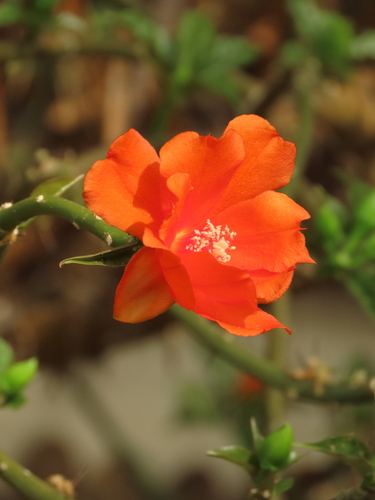
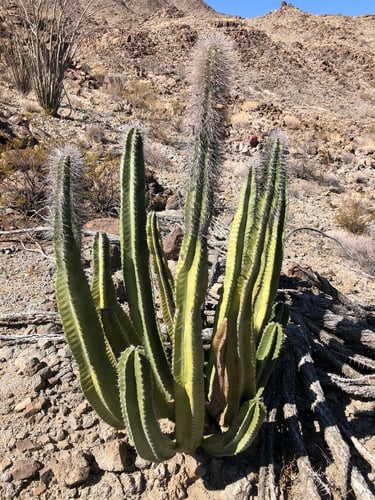
Eulychnia acida
Phil.
Copao
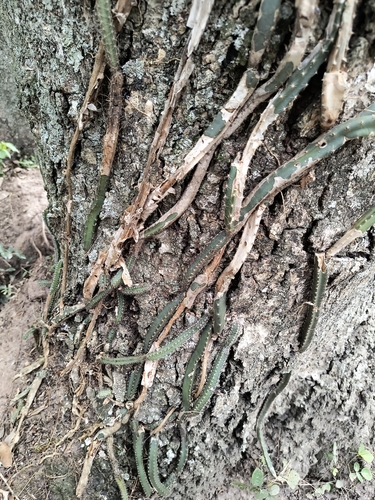
iNaturalist· cc-by-nc
(c) rpmundo, some rights reserved (CC BY-NC), uploaded by rpmundo
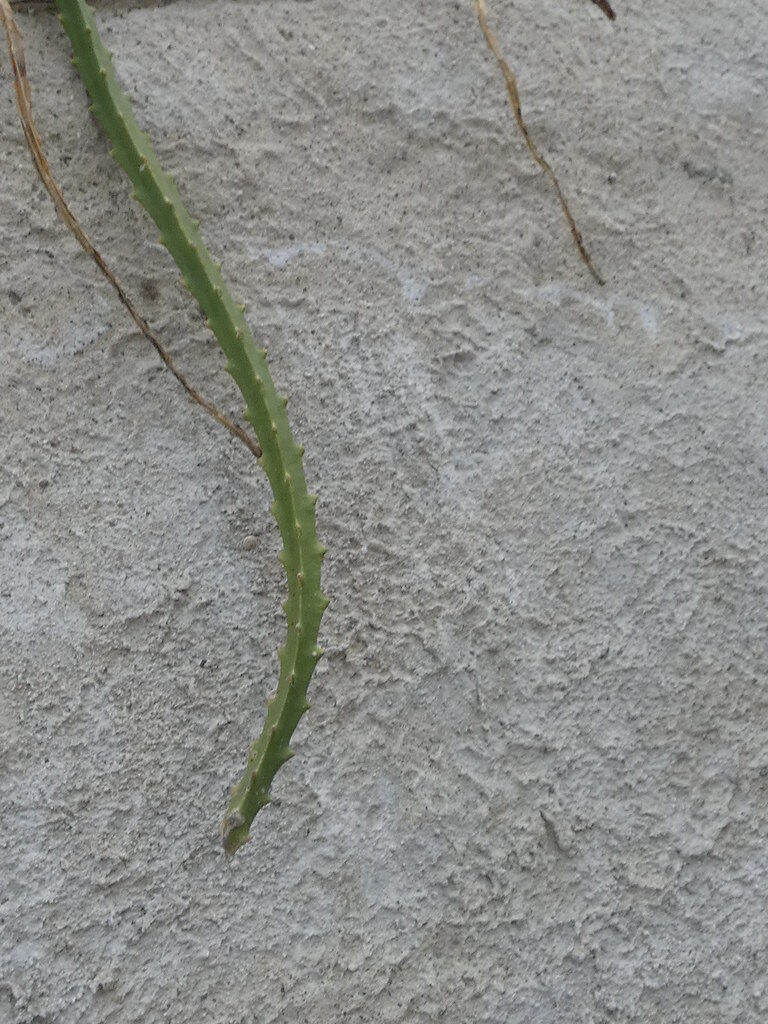
iNaturalist· cc-by-nc
(c) rpmundo, some rights reserved (CC BY-NC), uploaded by rpmundo
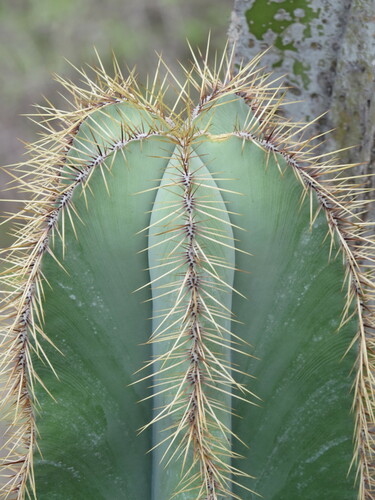
iNaturalist· cc-by-nc
(c) Martin Lowry, some rights reserved (CC BY-NC), uploaded by Martin Lowry
Summary
Source: WikipediaEulychnia acida is a flowering plant in the family Cactaceae that is found in Chile.
Description
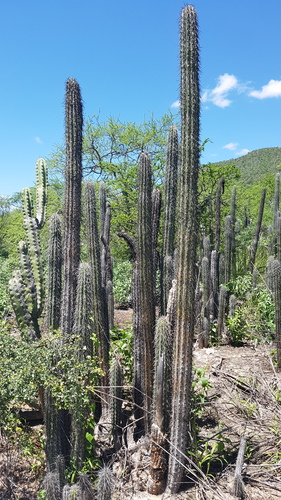
A tree like cactus. It grows 4 m tall. The flowers are white. The fruit are 5-6 cm across.
This description is brief — help expand it
Edible Uses
The fruit pulp is eaten fresh and used to make drinks.
Traditional Uses
The pulp of the fruit is eaten. It is also used for drinks.
This uses section is brief — help expand it
Medicinal Uses
Noted as rich in vitamin C.
Distribution
It is a tropical plant. It can grow in arid places.
Where It Grows
Chile, South America,
Other Uses
The dried stems are used for making rainsticks. The dry stems are harvested in the field, cleaned, and prepared by pushing stout spines through the areolar gaps in the wood. Coarse sand or fine gravel is poured into the central cavity of the stem, the ends are sealed, and the surface shellacked[. Turning the stick over causes the material in the stem to fall past the spines, making a rattling sound rather like the sound of rain. The dried stems are used for fuel. The stems are often harvested in large quantities to be used for firewood at sulphur-processing plants for the copper industry. The plants are grown as a living fence in order to mark out boundaries and act as a barrier.
Notes
It is rich in Vitamin C.
Synonyms
Also Known As
Hormata, Rumpa, Tuna de cobado, Tuna de Copao
References (4)
- Cordero, S. E., Abello, L. A., & Galvez, F. L., 2017, Plantas silvestres comestibles y medicinales de Chile y otras partes del mundo. CORMA p 61
- Kermath, B. M., et al, 2014, Food Plants in the Americas: A survey of the domesticated, cultivated and wild plants used for Human food in North, Central and South America and the Caribbean. On line draft. p 360
- Leon-Lobos, P., et al, 2022, Patterns of Traditional and Modern Uses of Wild Edible Native Plants of Chile: Challenges and Future Perspectives. Plants (Basel) v 11 (6) Table S1
- Martin, F. W., et al, 1987, Perennial Edible Fruits of the Tropics. USDA Handbook 642 p 86