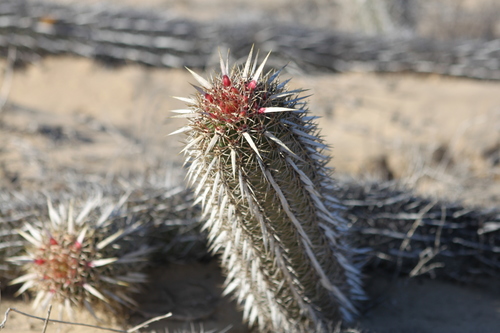
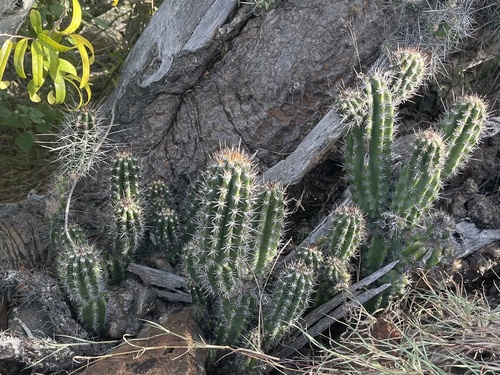
Espostoa lanata
(Kunth) Britton & Rose
Cotton ball, Peruvian old man cactus
iNaturalist· cc-by-nc
(c) Nick Moore, some rights reserved (CC BY-NC), uploaded by Nick Moore
iNaturalist· cc0
no rights reserved
iNaturalist· cc-by
(c) Dave Richardson, some rights reserved (CC BY), uploaded by Dave Richardson
Summary
Source: WikipediaEspostoa lanata is a species of cactus of the genus Espostoa. Its common names are Peruvian old man cactus, cotton ball cactus, snowball cactus, snowball old man.
Description
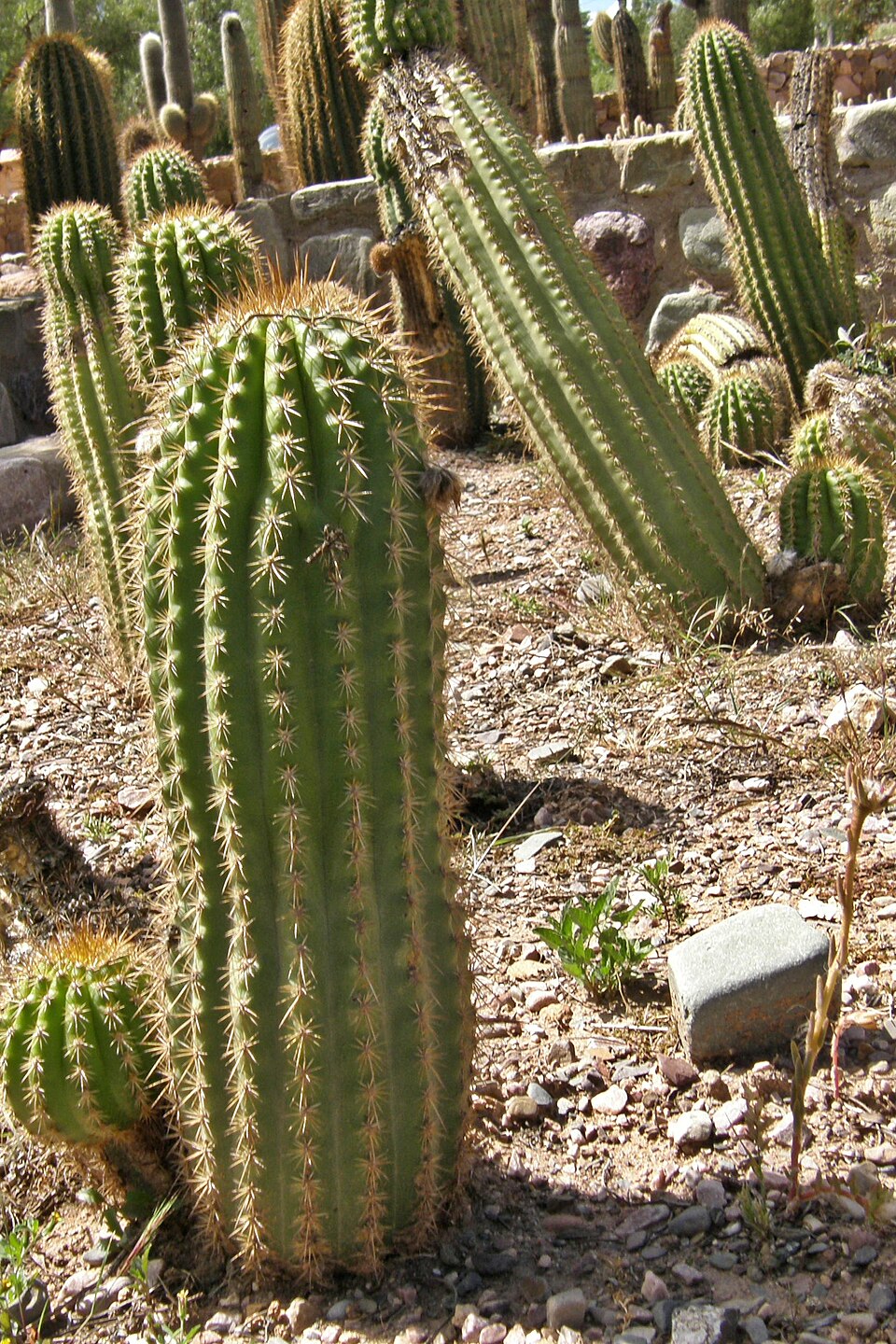
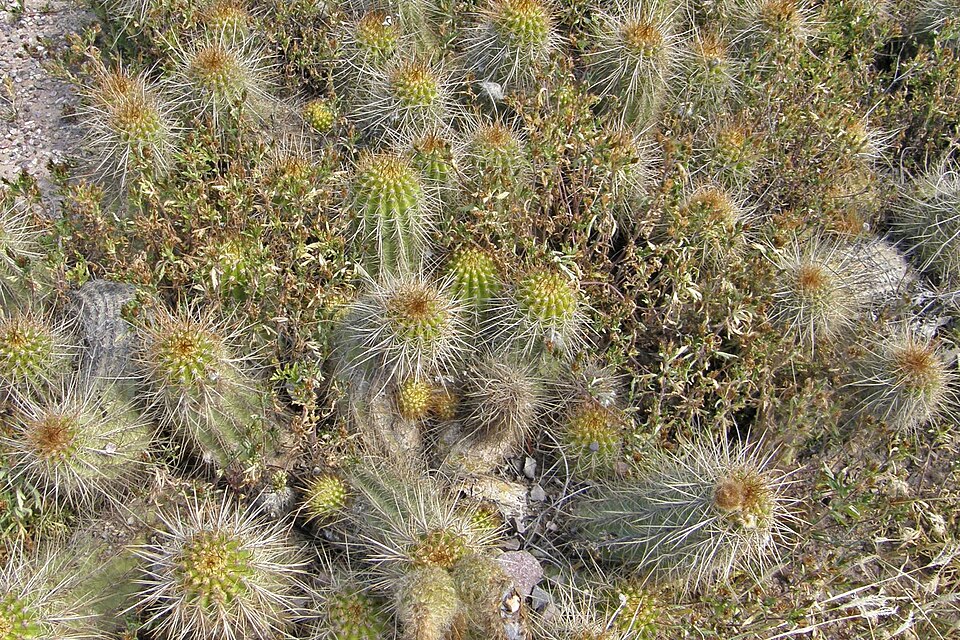
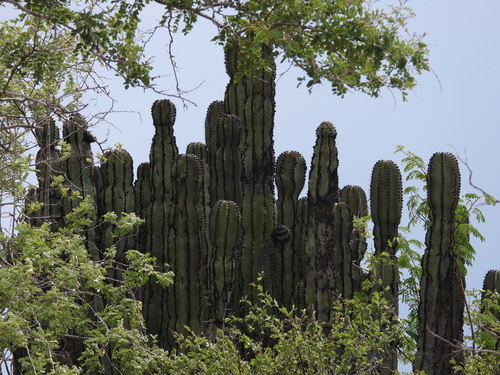
A cactus. It grows like a column or tree. It is woolly. It has prickles. The stems are 7 m tall and 10 cm across. The fruit are juicy and white with pink scales. The fruit are 3-4 cm long.
Edible Uses
The fruit are eaten raw and are sweet and juicy.
Traditional Uses
The fruit are eaten raw. They are sweet and juicy.
This uses section is brief — help expand it
Distribution
A tropical plant. It grows on dry hills between 250-3,000 m above sea level. It is best in full sun and a well-drained soil. It needs a pH between 6-7.5. Queen Sirikit BG.
Where It Grows
Africa, Asia, Ecuador, Kenya, Indonesia, Peru, SE Asia, Slovenia, South America*, Thailand,
Cultivation
Plants can be grown from seeds or cuttings.
Other Uses
The woolly hairs from the plant are used as a filling for pillows.
Production
It is slow growing.
References (7)
- Cact. 2:61, t. 87-91. 1920
- Facciola, S., 1998, Cornucopia 2: a Source Book of Edible Plants. Kampong Publications, p 64
- Kermath, B. M., et al, 2014, Food Plants in the Americas: A survey of the domesticated, cultivated and wild plants used for Human food in North, Central and South America and the Caribbean. On line draft. p 349
- Martin, F. W., et al, 1987, Perennial Edible Fruits of the Tropics. USDA Handbook 642 p 86
- Permaculture website Ngare Ndare project Kenya
Show all 7 references Hide references
- Sukarya, D. G., (Ed.) 2013, 3,500 Plant Species of the Botanic Gardens of Indonesia. LIPI p 1016
- World Checklist of Useful Plant Species 2020. Royal Botanic Gardens, Kew