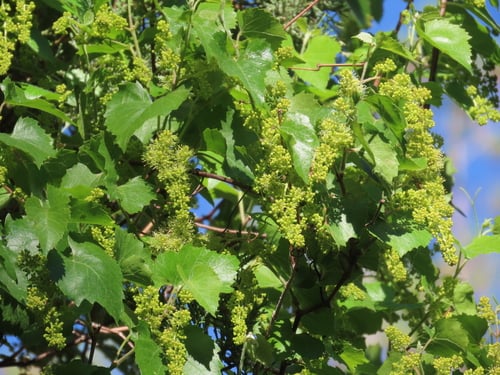
Vitis cinerea var. helleri
(L. M. Bailey) M. O. Moore
Little mountain grape
iNaturalist· cc-by-nc
(c) Pauline Singleton, some rights reserved (CC BY-NC), uploaded by Pauline Singleton
iNaturalist· cc-by-nc
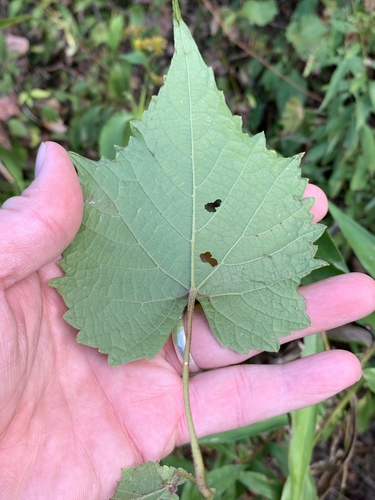
(c) ThePrairiePreacher, some rights reserved (CC BY-NC)
Summary
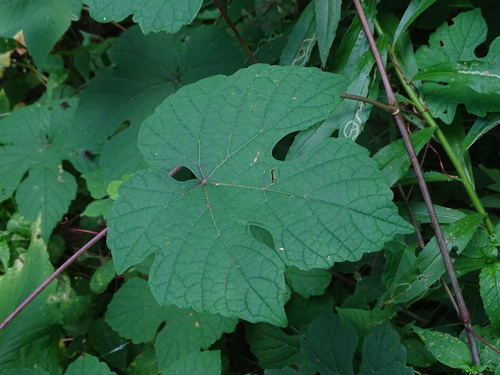
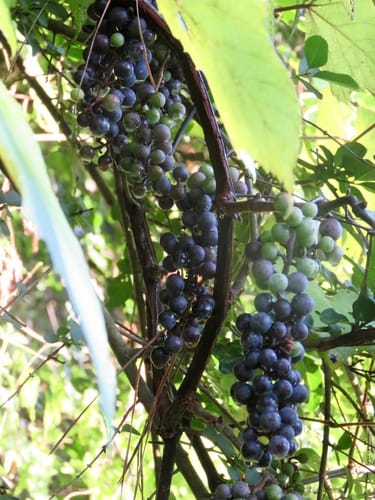
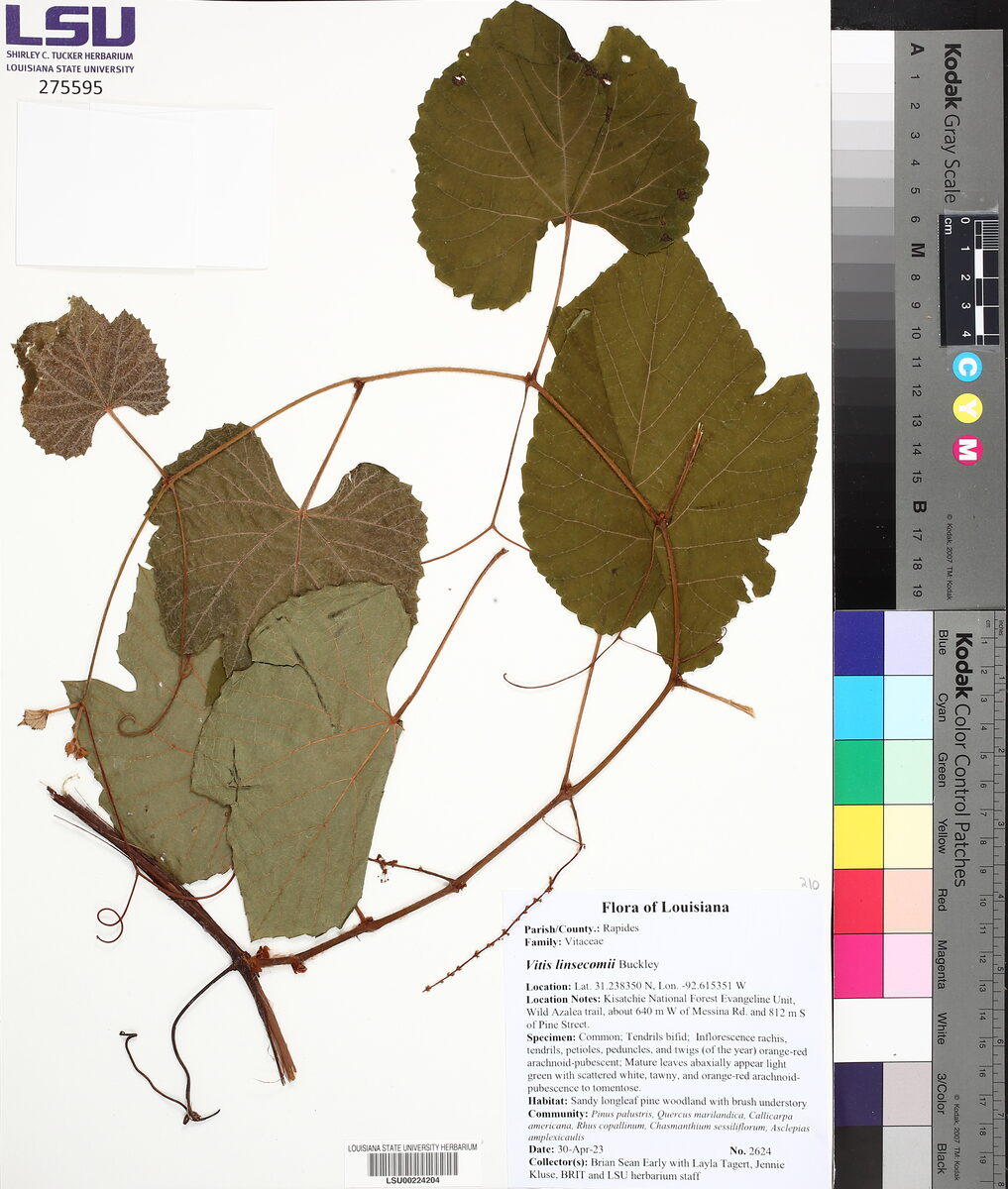
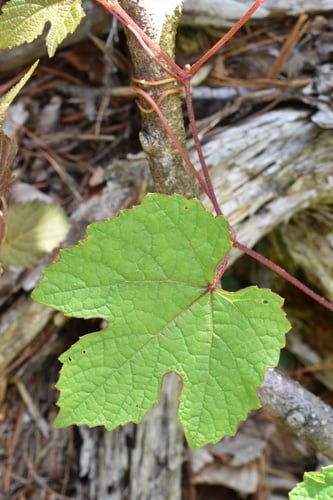
Source: WikipediaVitis cinerea, the graybark grape, is a variety of grape. It has small black berries that are mildly unpleasant to eat. Plentiful in Missouri and Louisiana, it is also found throughout the eastern half of the US as far west as Texas, north to Illinois, and south to Florida. It is also known by the name winter grape or possum grape. Vitis cinerea is an American native grape. The leaves are cordiform-emarinate, flabby, dull, limb finely wrinkled (like crepe) between the sub-veins. The teeth of the leaf are very blunt. The buds are grey-ashy-violet. This species occurs in habitat types such as floodplain woodlands, wet thickets, and swampy forests.
Description
A tropical vine in the grape family (Vitaceae) with small, slightly angled branches. It produces small edible fruits.
This description is brief — help expand it
Edible Uses
The fruit is eaten.
Distribution
It is a tropical plant.
Where It Grows
Mexico, North America,
Dangerous Lookalikes
This plant can be confused with the following toxic species. Always verify identification carefully before consuming any wild plant.
Canadian Moonseed
Menispermum canadense
Cbaile19
Little mountain grape
Vitis cinerea var. helleri
(c) Pauline Singleton, some rights reserved (CC BY-NC), uploaded by Pauline Singleton
Canadian Moonseed: No tendrils, single crescent/moon-shaped seed, leaf stem attaches to underside of leaf.
Little mountain grape: Vine with tendrils, round seeds, leaf stem at edge of leaf, bark that peels.
Synonyms
Also Known As
Uva del sur
References (1)
- Segura, S., et al, 2018, The edible fruit species in Mexico. Genet Resour Crop Evol (2018) 65:1767–1793