Prunus minutiflora
Engelm. ex A. Gray
Texas almond
iNaturalist· cc-by-nc
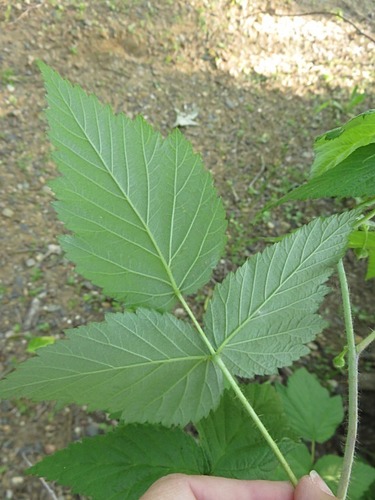
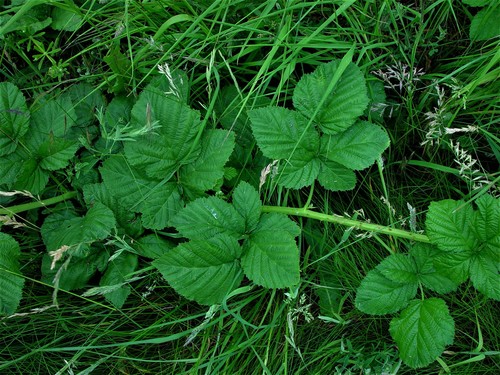
(c) Ron Chang (curated by Cat Chang), some rights reserved (CC BY-NC), uploaded by Ron Chang (curated by Cat Chang)
iNaturalist· cc-by-nc
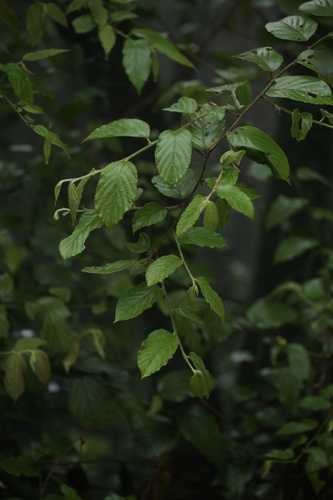
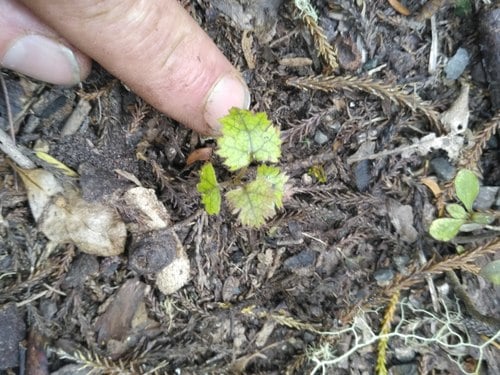
(c) Ron Chang (curated by Cat Chang), some rights reserved (CC BY-NC), uploaded by Ron Chang (curated by Cat Chang)
iNaturalist· cc-by-nc
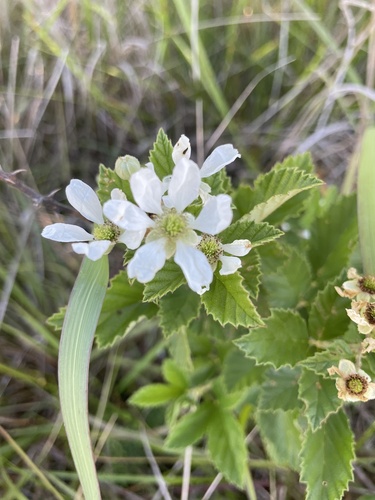
(c) Chuck Sexton, some rights reserved (CC BY-NC), uploaded by Chuck Sexton
Summary
Source: WikipediaPrunus minutiflora, called the Texas almond, is a shrub native to Texas and northern Mexico. 'Minutiflora' means "minute flower" as the flowers of this shrub are very tiny, with petals being only 2 millimetres (1⁄16 inch) long. It has small flowers and dark brown/black to pinkish-red fruits that are only about 1.3 centimetres (1⁄2 in) in diameter. The shrubs grow up to 0.91 metres (3 feet) tall in thickets. It is dioecious, having male and female flowers on separate plants, which is rare for Prunus. It mainly grows in limestone soils. Seeds are fed upon by the larvae of the weevil Coccotorus pruniphilus, while the leaves are believed to be a host plant for larvae of the moth Ursia furtiva.
Description
A shrub. It forms suckers. It grows 1-2 m tall. It has weak thorns. The leaves are 0.5-1.6 cm long by 0.3-0.8 cm wide. The fruit are round and reddish and 9-12 mm long.
Edible Uses
The fruit are eaten.
Distribution
It is a subtropical plant.
Where It Grows
Mexico, North America, USA,
References (2)
- Segura, S., et al, 2018, The edible fruit species in Mexico. Genet Resour Crop Evol (2018) 65:1767–1793
- World Checklist of Useful Plant Species 2020. Royal Botanic Gardens, Kew