Agathosma serratifolia
(Curtis) Spreeth
iNaturalist· cc-by-nc
(c) Richard Adcock, some rights reserved (CC BY-NC), uploaded by Richard Adcock
iNaturalist· cc-by-nc
(c) Richard Adcock, some rights reserved (CC BY-NC), uploaded by Richard Adcock
iNaturalist· cc-by-sa
(c) Tony Rebelo, some rights reserved (CC BY-SA), uploaded by Tony Rebelo
Summary
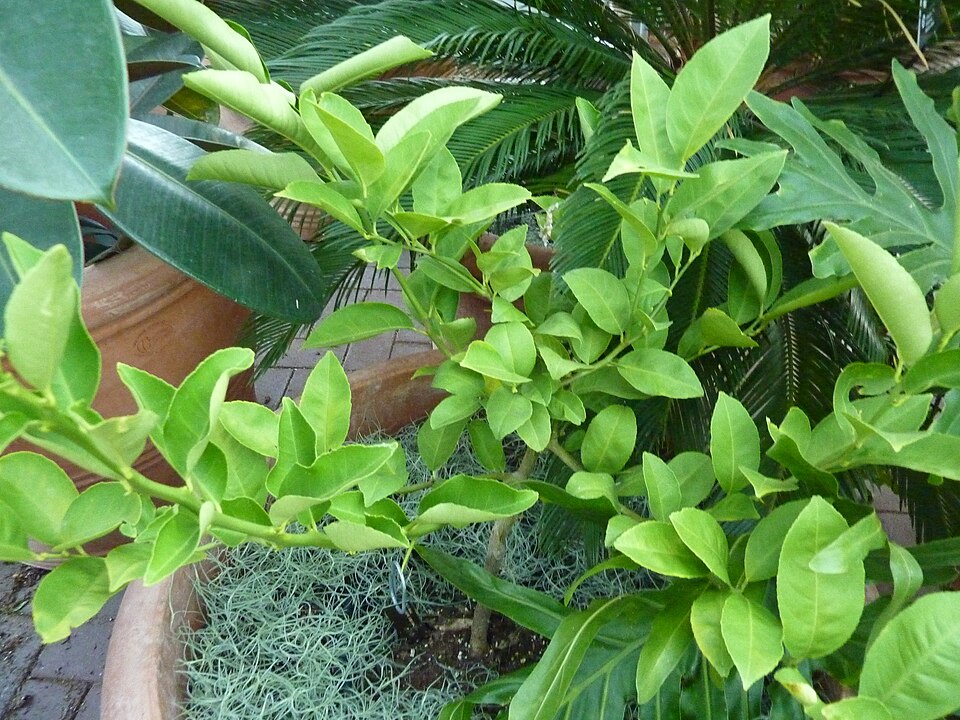
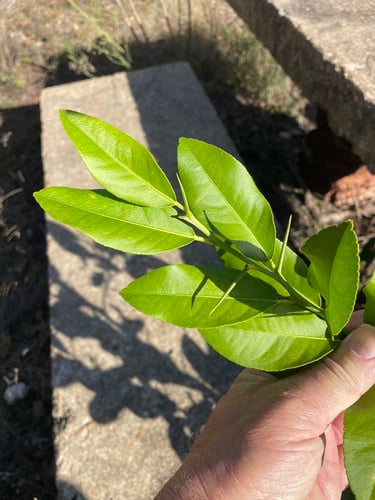
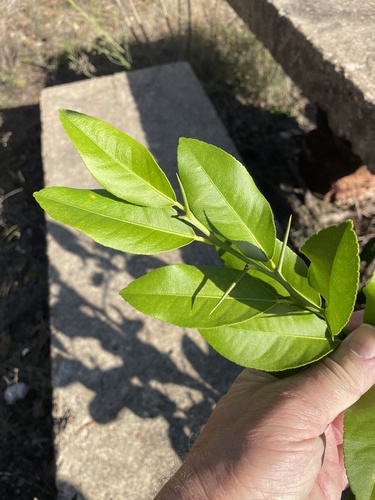
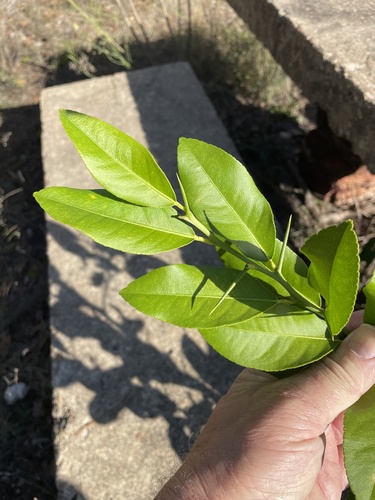
Source: WikipediaAgathosma serratifolia, known as longleaf buchu or long buchu, is an erect, South African shrub, belonging to the citrus family Rutaceae. It is one of about 135 species mainly occurring in the south-western Cape Province. There, it is found on mountain slopes, wooded ravines, and valleys. The leaves are simple, ovoid, slightly serrated, and 0.5–3.5 cm long. In April and May, the plant produces 5-petalled flowers. 'Agathosma' = 'good smell', 'serratifolia' = 'serrate leaved'. This species is strongly aromatic, and is gathered for medicinal use. The name Buchu is from the Khoikhoi word for the plant meaning "dusting powder". The Hottentots used an infusion of the dried leaves as a diuretic and cure for urinary tract disorders and pulverised the fragrant rue-like leaves to powder their bodies and act as an insect deterrent. In the 19th century the leaves were introduced into Europe. The leaves are used to add to the aroma and taste of liqueurs, wines and brandies. The leaves contain rutin, mucilage, volatile oils such as limonene and diosphenol (or barosma camphor) also menthone, quercetin, hesperidin, alpha-pinene, calcium, iron, magnesium, manganese, phosphorus, potassium, selenium, silicon, zinc, vitamin B1, B2, B3 and vitamin C.
Description
A shrub. It grows 2 m tall. It has one stem. The leaves are very long. The flowers are white with a pink tinge. They are in the axils of the leaves. The fruits have 5 chambers.
Edible Uses
The leaves are used for tea drinks.
Traditional Uses
The leaves are used for tea drinks.
This uses section is brief — help expand it
Distribution
It is a subtropical plant.
Where It Grows
Africa, South Africa* Southern Africa,
Notes
It is a vulnerable plant.
Synonyms
References (2)
- Ruiters-Welcome, A. K., 2019, Food plants of southern Africa. Ph.D. thesis. Univ. of Johannesburg p 98
- Welcome, A. K. & Van Wyk, B.-E., 2019, An inventory and analysis of the food plants of southern Africa. South African Journal of Botany 122 (2019) 136–179