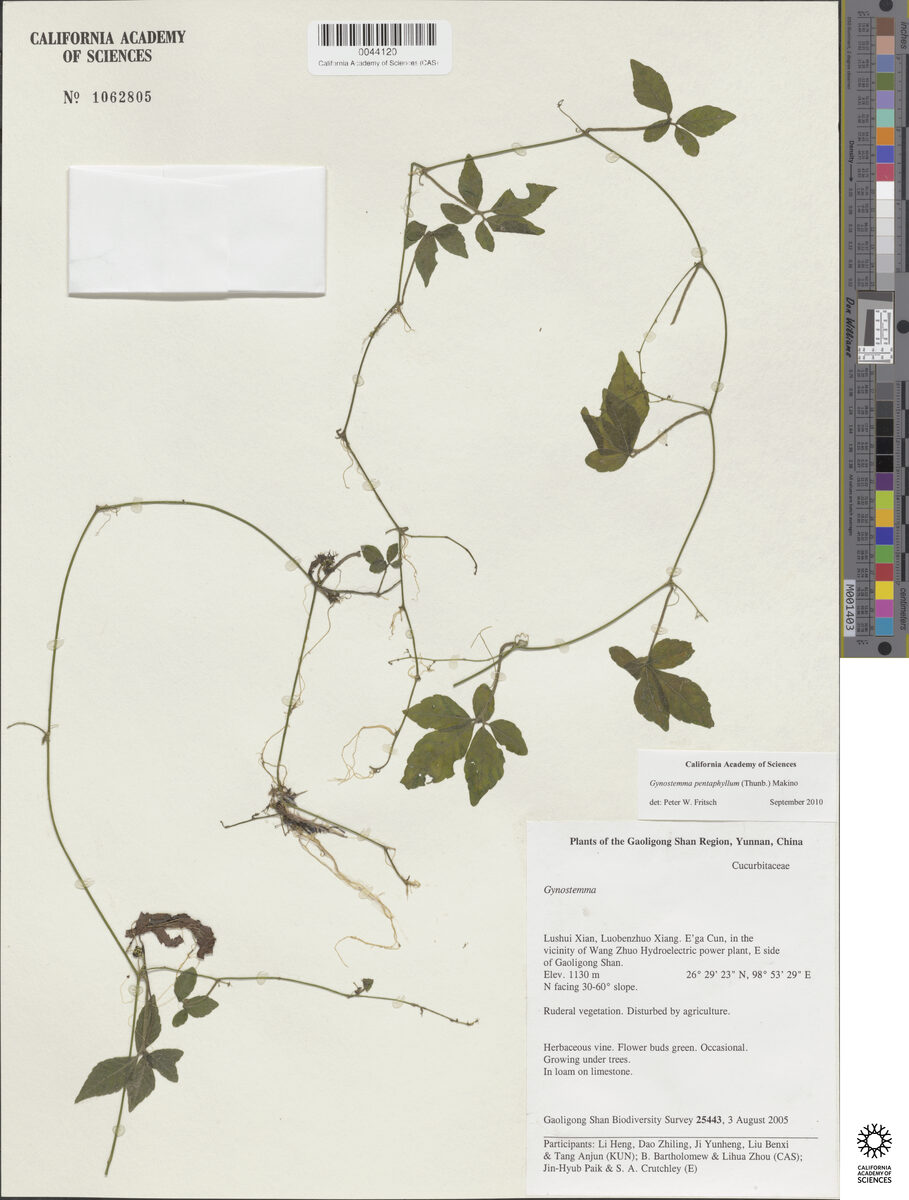
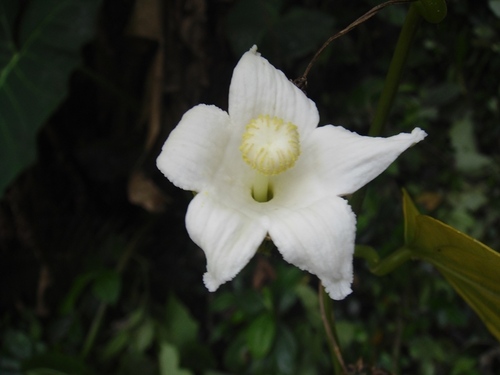
Cucumis melo var. momordica
(Roxb.) Duthie & J.B. Fuller
Snap melon
iNaturalist· cc-by-nc
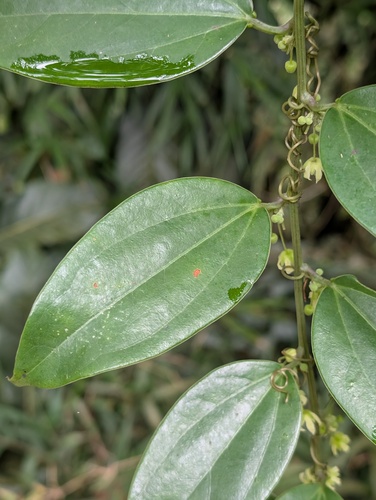
(c) MP Zhou, some rights reserved (CC BY-NC)
iNaturalist· cc-by-nc
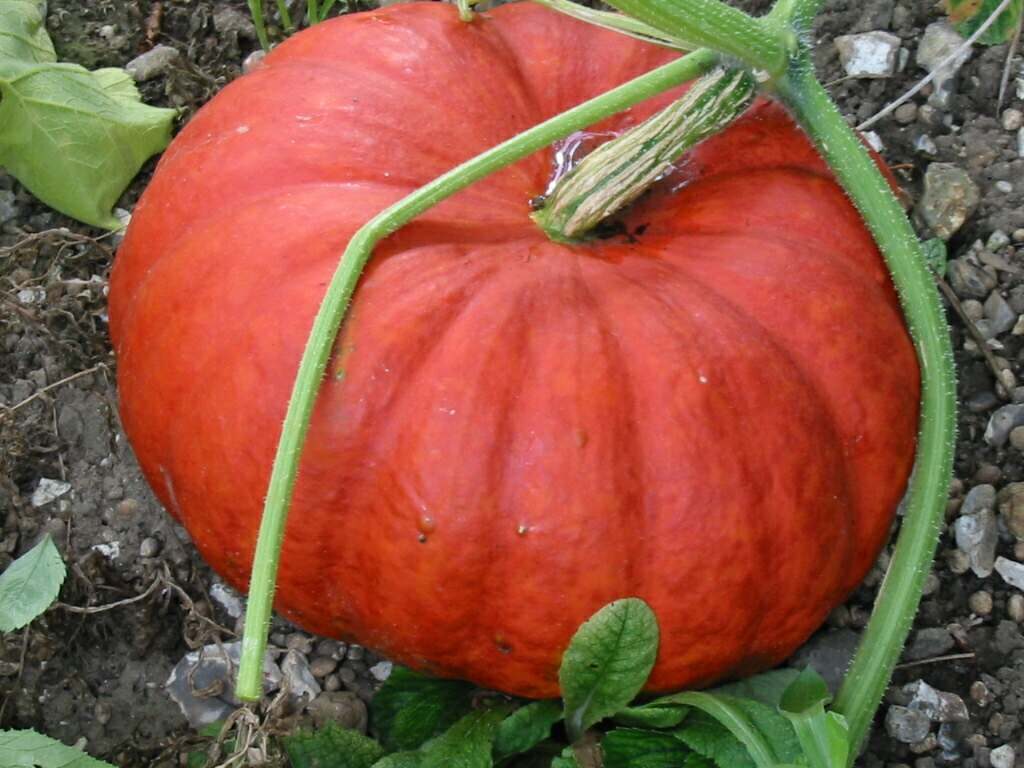
(c) MP Zhou, some rights reserved (CC BY-NC)
iNaturalist· cc-by-nc
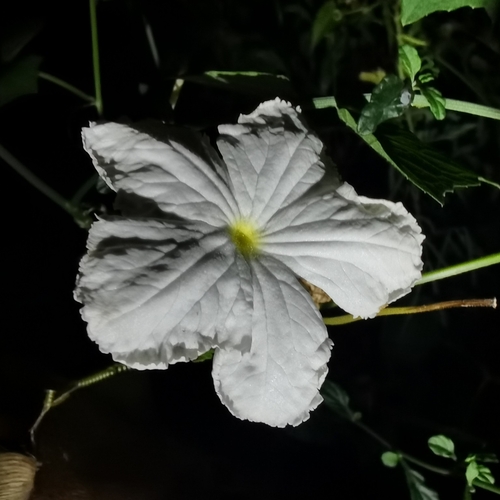
(c) sehnature, some rights reserved (CC BY-NC)
Summary
Source: WikipediaCucumis melo, also known as melon, is a species of Cucumis that has been developed into many cultivated varieties. The fruit is a pepo. The flesh is either sweet or bland, with or without an aroma, and the rind can be smooth (such as honeydew), ribbed (such as European cantaloupe), wrinkled (such as Casaba melon), or netted (such as American cantaloupe). The species is sometimes referred to as muskmelon. However, there is no consensus about the usage of this term, as it can also be used as a specific name for the musky netted-rind American cantaloupe, or as a generic name for any sweet-flesh variety such the inodorous smooth-rind honeydew melon. The origin of melons is not known. Research has revealed that seeds and rootstocks were among the goods traded along the caravan routes of the Ancient World. Some botanists consider melons native to the Levant and Egypt, while others place their origin in Iran, India or Central Asia. Still others support an African origin; in modern times, wild melons can still be found in some African countries.
Description
A pumpkin family plant. It is a climber. The leaves are almost round and with lobes. The flowers are yellow. The fruit vary in shape. They can be oval or long. They usually become orange when ripe.
Edible Uses
Young fruit are cooked as a vegetable, while ripe fruit are eaten fresh. The seeds are also edible.
Traditional Uses
Young fruit are cooked as a vegetable. Ripe fruit are eaten fresh.
This uses section is brief — help expand it
Distribution
It is a tropical and subtropical plant. It grows in Nepal up to about 250 m altitude.
Where It Grows
Asia, Himalayas, India, Myanmar, Nepal, Pakistan, SE Asia,
Cultivation
Plants are grown from seed. Seeds are put 1 cm deep and a spacing of 1 m by 2 m.
Other Information
It is a cultivated plant.
Notes
There are about 25 Cucumis species.
Synonyms
Also Known As
Kaat velleri, Kachro, Peddakai, Pedda doskay, Phut, Phuti, Pythum kai, Tha-khwar-hmwe
References (13)
- Ambasta, S.P. (Ed.), 2000, The Useful Plants of India. CSIR India. p 149
- Facciola, S., 1998, Cornucopia 2: a Source Book of Edible Plants. Kampong Publications, p 85
- Field & garden crops 2:50. 1883
- Fl. ind. ed. 1832, 3:720. 1832
- Flora of Pakistan. www.eFloras.org
Show all 13 references Hide references
- Khan, D. & Shaukat, S.S., 2006, The Fruits of Pakistan: Diversity, Distribution, Trends of Production and Use. Int. J. Biol. Biotech., 3(3):463-499
- Manandhar, N.P., 2002, Plants and People of Nepal. Timber Press. Portland, Oregon. p 179
- Plants for a Future database, The Field, Penpol, Lostwithiel, Cornwall, PL22 0NG, UK. http://www.scs.leeds.ac.uk/pfaf/
- Sharma, B.B., 2005, Growing fruits and vegetables. Publications Division. Ministry of Information and broadcasting. India. p 188
- Shekhawat, G.S. & Anand, S., 1984, An Ethnobotanical Profile of Indian Desert. J. Econ. Tax. Bot. Vol.5 No.3 pp 591-598
- SHORTT, (As Cucumis momordica)
- USDA, ARS, National Genetic Resources Program. Germplasm Resources Information Network - (GRIN). [Online Database] National Germplasm Resources Laboratory, Beltsville, Maryland. Available: www.ars-grin.gov/cgi-bin/npgs/html/econ.pl (10 April 2000)
- Wiersema, J. H. & Leon, B., 2013, World Economic Plants. A Standard Reference CRC Press. 2nd Ed. p 216