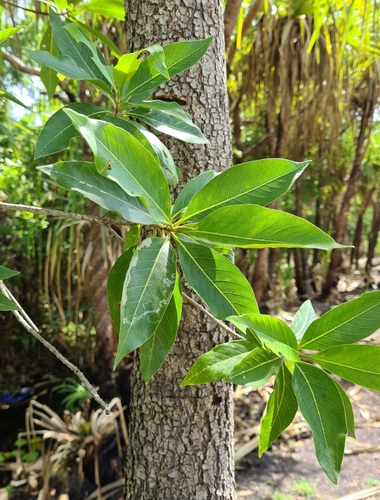
Combretum microphyllum
Klotzsch
Forest burning-bush
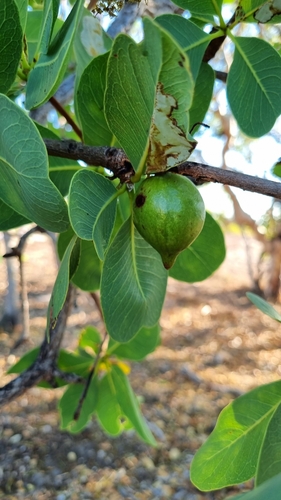
iNaturalist· cc-by-nc
(c) Tarik Bodasing, some rights reserved (CC BY-NC), uploaded by Tarik Bodasing
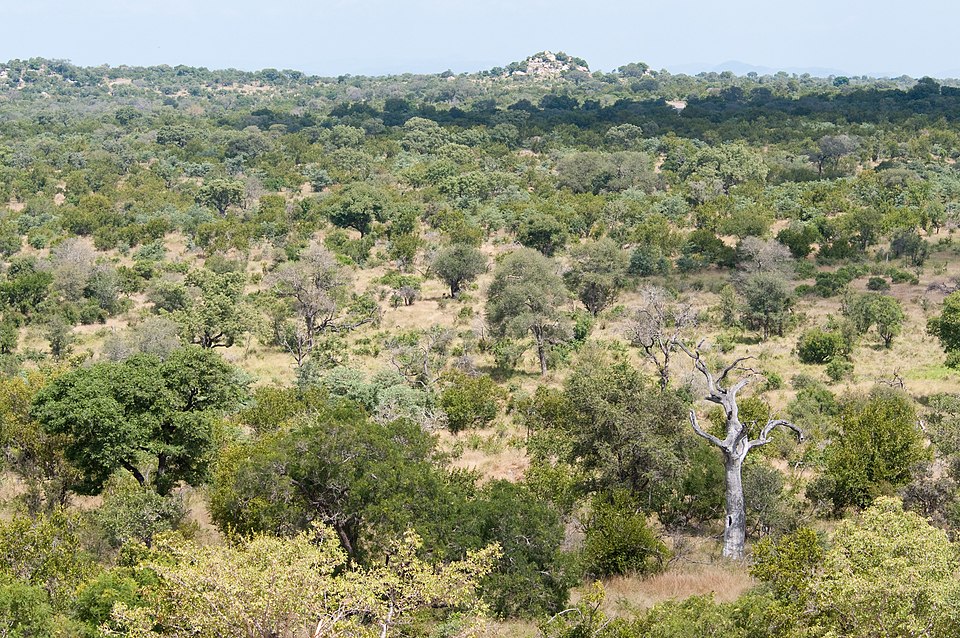
iNaturalist· cc-by-nc
(c) Charles Hopkins, some rights reserved (CC BY-NC), uploaded by Charles Hopkins
iNaturalist· cc-by-nc
(c) Hil Aubert, some rights reserved (CC BY-NC), uploaded by Hil Aubert
Description
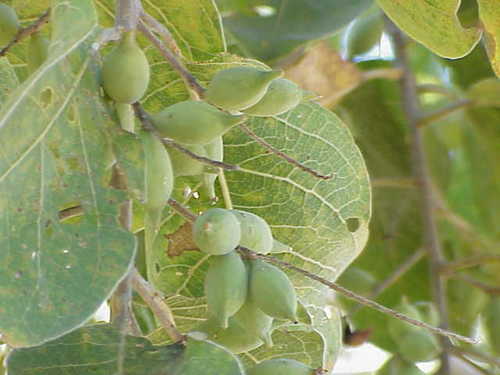
A shrub. It loses its leaves during the year. It can lie along the ground. It grows 2-3 m tall. The young branches have a coating. The leaves are oppositeThe flowers are in large groups at the ends of branches. They are red. The fruit can be 5 cm long by 3.3 cm wide.
Edible Uses
The nectar is eaten as a snack.
Traditional Uses
The nectar is eaten as a snack.
This uses section is brief — help expand it
Distribution
It is a subtropical plant. It grows in savannah and woodland often near watercourses.
Where It Grows
Africa, South Africa, Southern Africa,
Synonyms
Also Known As
Bungaluselo
References (2)
- Magwede, K., van Wyk, B.-E., & van Wyk, A. E., 2019, An inventory of Vhavenḓa useful plants. South African Journal of Botany 122 (2019) 57–89
- Welcome, A. K. & Van Wyk, B.-E., 2019, An inventory and analysis of the food plants of southern Africa. South African Journal of Botany 122 (2019) 136–179