Kyllinga alba
Nees
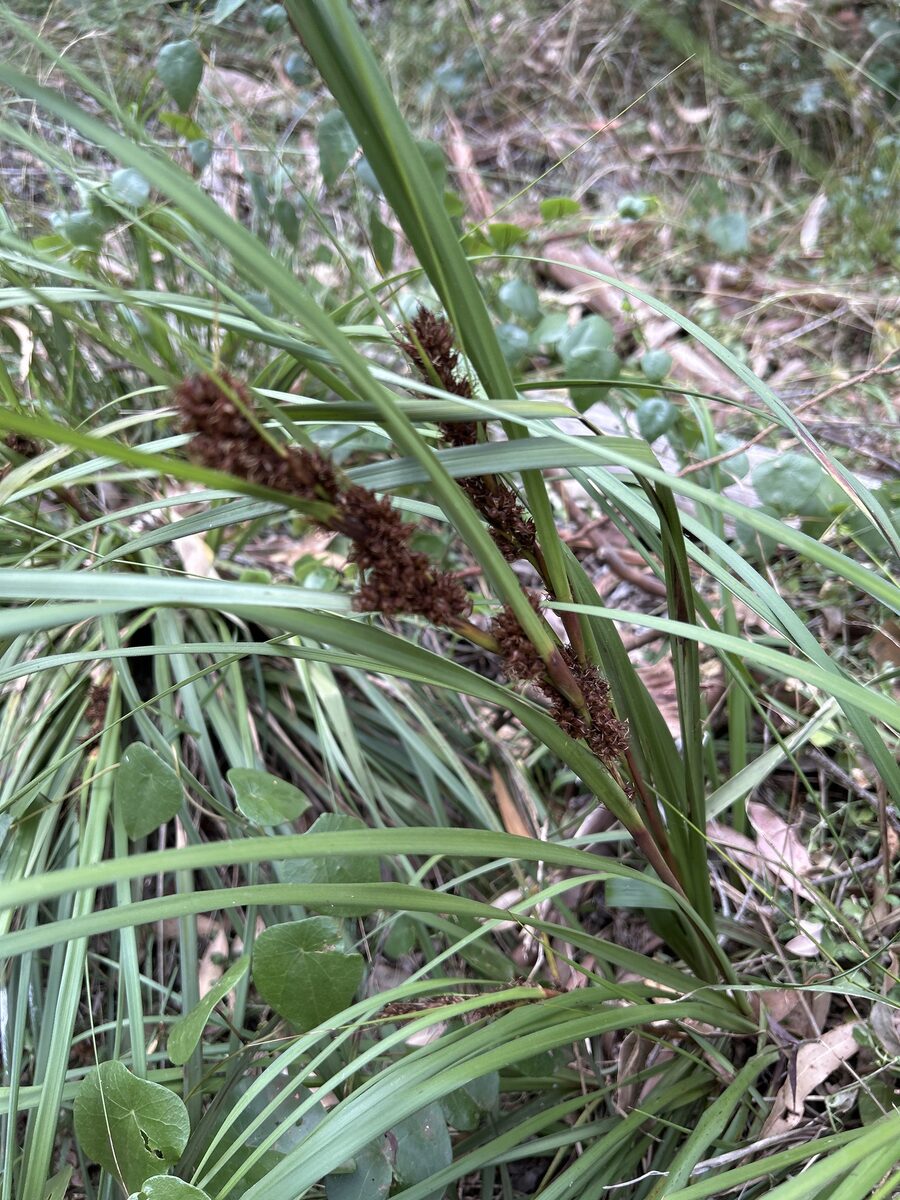
iNaturalist· cc-by-nc
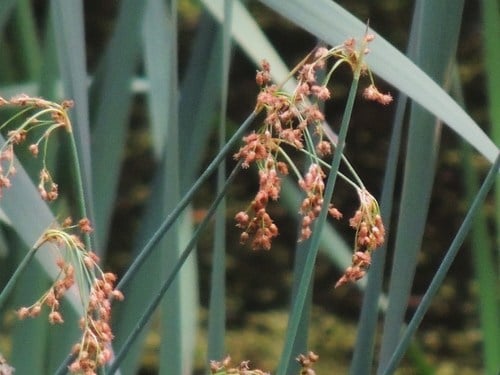
(c) anikie01, some rights reserved (CC BY-NC)
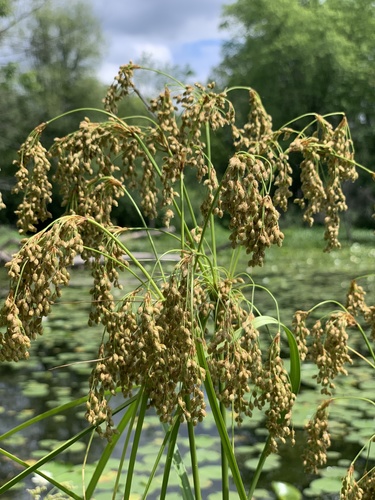
iNaturalist· cc-by-nc
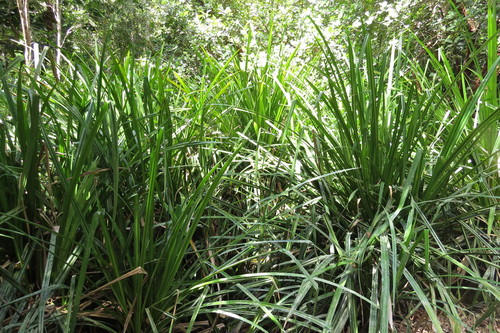
(c) Troos van der Merwe, some rights reserved (CC BY-NC)
iNaturalist· cc-by-nc
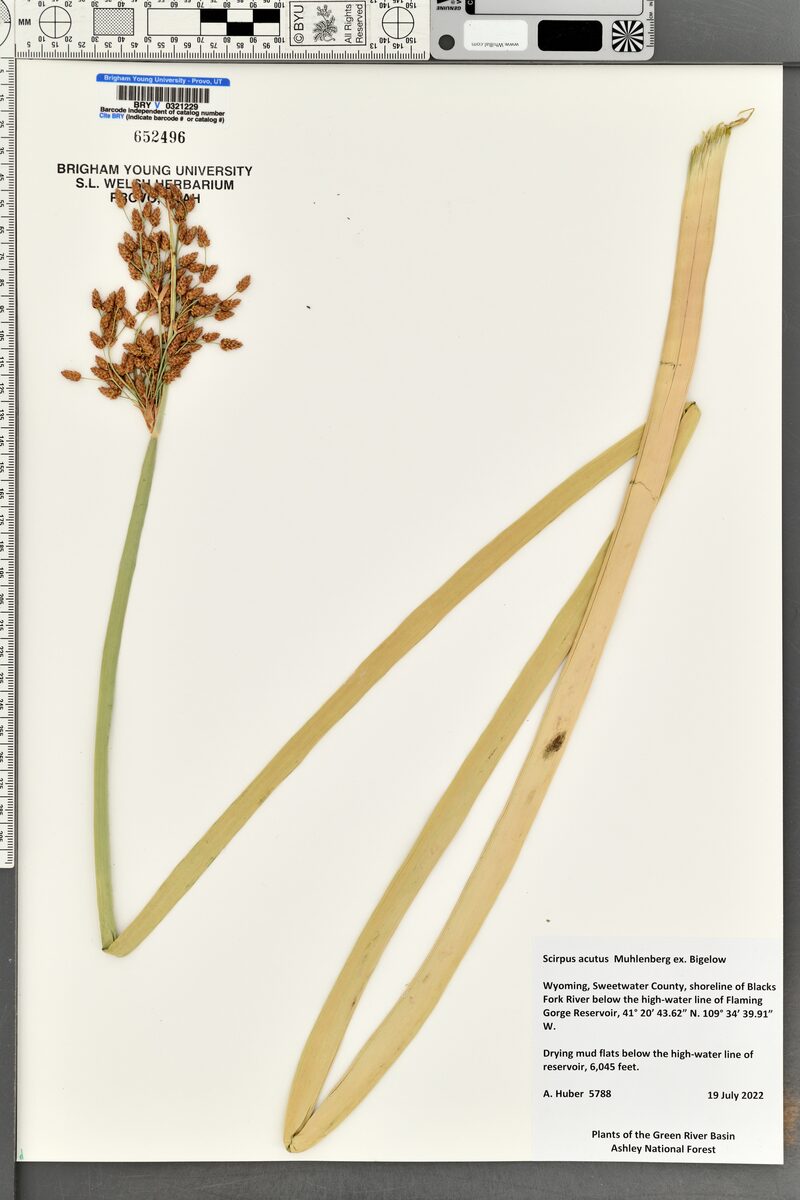
(c) Troos van der Merwe, some rights reserved (CC BY-NC)
Description
A sedge. It is a herb. It grows 50 cm tall. The rhizome forms a mass of stem bases. The flowers are in a large round head.
This description is brief — help expand it
Edible Uses
The roots are used as a flavouring and preservative.
Traditional Uses
The roots are used as a flavouring and preservative.
This uses section is brief — help expand it
Distribution
It is a subtropical plant.
Where It Grows
Africa, East Africa, Kenya, South Africa, Southern Africa,
Other Uses
The lower parts of the plant are pounded then placed in an ostrich egg shell and left there for 4 - 14 days. This purifies the inside of the shell so that it can then be used as a water container. The roots are aromatic. The scent is likened to that of citronella.
References (4)
- Ichikawa, M., 1980, The Utilization of Wild Food Plants by the Suiei Dorobo in Northern Kenya. J. Anthrop. Soc. Nippon. 88(1): 25-48
- Mutie, F. G., 2020, Conservation of Wild Food Plants and Their Potential for Combatting Food Insecurity in Kenya as Exemplified by the Drylands of Kitui County. Plants 2020, 9, 1017
- Ruiters-Welcome, A. K., 2019, Food plants of southern Africa. Ph.D. thesis. Univ. of Johannesburg p 51
- Welcome, A. K. & Van Wyk, B.-E., 2019, An inventory and analysis of the food plants of southern Africa. South African Journal of Botany 122 (2019) 136–179