Millettia lane-poolei
Dunn
iNaturalist· cc-by-nc
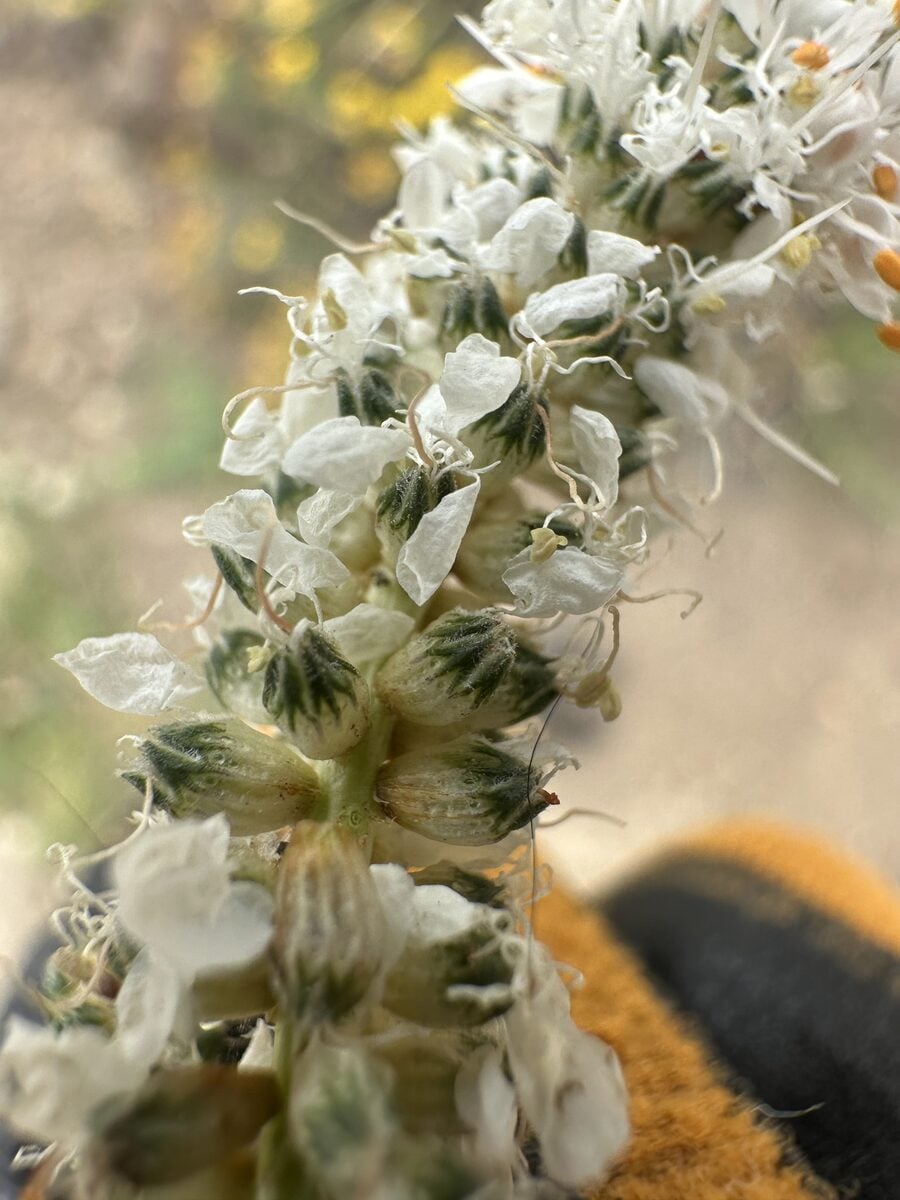
(c) Carel Jongkind, some rights reserved (CC BY-NC), uploaded by Carel Jongkind
iNaturalist· cc-by-nc
(c) Carel Jongkind, some rights reserved (CC BY-NC)
Description
A small tree in the Fabaceae family growing 5-7 m tall with white or pale purple flowers, found in tropical areas.
This description is brief — help expand it
Known Hazards
Millettia species in general contain a range of toxic substances, especially isoflavones. Rotenone is probably the best known of these isoflavones and it is found especially in the seeds and roots of the plants. Rotenone is often used locally as a fish poison - the rotenone kills or stuns the fish making them easy to catch, but the fish remain perfectly safe for warm-blooded creatures to eat. Rotenone is classified by the World Health Organization as moderately hazardous. It is mildly toxic to humans and other mammals, but extremely toxic to many insects (hence its use as an insecticide) and also to aquatic life, including fish. This higher toxicity in fish and insects is because the lipophilic rotenone is easily taken up through the gills or trachea, but not as easily through the skin or the gastrointestinal tract. The lowest lethal dose for a child is 143 mg/kg, but human deaths from rotenone poisoning are rare because its irritating action causes vomiting. Deliberate ingestion of rotenone, however, can be fatal. The compound decomposes when exposed to sunlight and usually has an activity of six days in the environment. Millettia species often also contain other potentially toxic compounds, especially saponins and alkaloids.
Distribution
It is a tropical plant.
Where It Grows
Africa, Côte d'Ivoire, Ivory Coast, Liberia, Sierra Leone, West Africa,
Cultivation
Species in this genus generally grow best in a sunny position in a fertile, moisture-retentive but well-drained soil. Although many species within the family Fabaceae have a symbiotic relationship with soil bacteria, this species is said to be devoid of such a relationship and therefore does not fix atmospheric nitrogen.
Propagation
Like many species within the family Fabaceae, once they have been dried for storage the seeds of this species may benefit from scarification before sowing in order to speed up and improve germination. This can usually be done by pouring a small amount of nearly boiling water on the seeds (being careful not to cook them!) and then soaking them for 12 - 24 hours in warm water. By this time they should have imbibed moisture and swollen - if they have not, then carefully make a nick in the seedcoat (being careful not to damage the embryo) and soak for a further 12 hours before sowing.
Other Uses
The twigs reportedly purify water. The wood is hard and flexible. It is used for making handles and implements. The flexible branches are used for traditional hut building in the same way as those of Millettia rhodantha.
Notes
CHECK
References (1)
- World Checklist of Useful Plant Species 2020. Royal Botanic Gardens, Kew