Cucumis hirsutus
Sond.
iNaturalist· cc-by-nc-sa
(c) David Hoare, some rights reserved (CC BY-NC-SA), uploaded by David Hoare
iNaturalist· cc-by-nc
(c) Troos van der Merwe, some rights reserved (CC BY-NC), uploaded by Troos van der Merwe
iNaturalist· cc-by-nc
(c) nicky001, some rights reserved (CC BY-NC)
Description
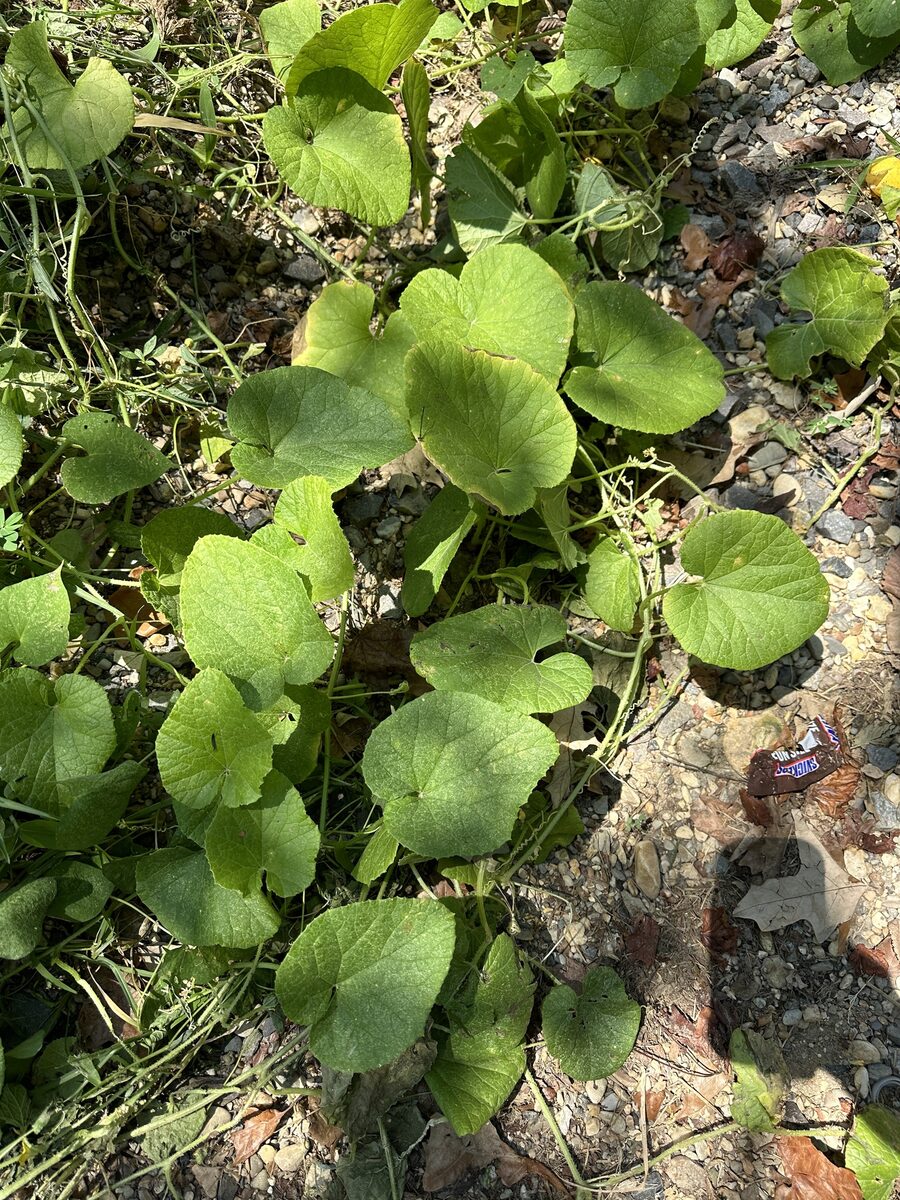
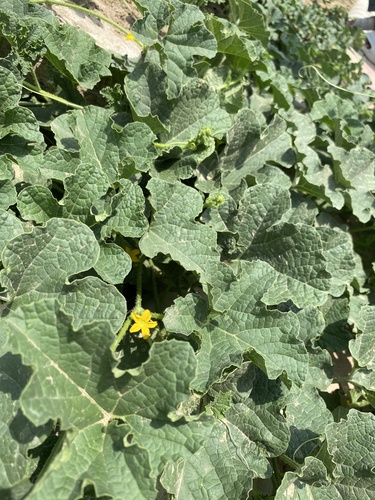
A herb. A pumpkin family plant that keeps growing from year to year. It has a tuberous root. The stems and stiff and angular. The leaves vary in shape. They can be 8-12 cm long. The male and female flowers occur separately. The male flowers are long and 2.5 cm across. They occur as 1-3 together. The female flowers occur singly. The fruit is oval and 3 cm across. It has a few hairs. The fruit are mottled green and white. The seeds are small.
Edible Uses
The leaves are eaten cooked, and the fruit are occasionally eaten raw. It is a vegetable of only local importance.
Traditional Uses
The leaves are eaten cooked. The fruit are occasionally eaten raw.
This uses section is brief — help expand it
Medicinal Uses
A decoction of the root is used in the treatment of chronic cough. Several cucurbitacins have been isolated from the roots of the plant. Cucurbitacins, which are known from many species in the family Cucurbitaceae, as well as in various other plant species, exhibit cytotoxicity (including antitumor activity), anti-inflammatory and analgesic activities.
Known Hazards
The plant is considered to be poisonous in S. Africa.
Distribution
A tropical plant. It grows between 150-2,500 m above sea level. It can grow in arid places. It grows in open woodland.
Where It Grows
Africa, Angola, Botswana, Cameroon, Central Africa, Central African Republic, CAR, Congo, East Africa, Eswatini, Kenya, Madagascar, Malawi, Mozambique, South Africa, Southern Africa, South America, Sudan, Swaziland, Tanzania, Zambia, Zimbabwe,
Cultivation
Often found in sandy soils in the wild. Prefers a well-drained soil. This species does not hybridize with other members of the genus. A dioecious species, both male and female forms need to be grown if fruit and seed are required.
Other Information
A vegetable of only local importance.
Notes
There are about 25 Cucumis species.
Nutrition
| Part | Moisture | kJ | kcal | Protein | Vit A | Vit C | Iron | Zinc |
|---|---|---|---|---|---|---|---|---|
| Fruit | 94 | 364 | 87 | 2 | — | — | — | — |
Synonyms
Also Known As
Dzicanhnga, Macacabua, Macucu, Mkunguyanjila, Mkuwikuwi, Voahondro
References (17)
- Fowler, D. G., 2007, Zambian Plants: Their Vernacular Names and Uses. Kew. p 22
- Fox, F. W. & Young, M. E. N., 1982, Food from the Veld. Delta Books. p 174
- Grubben, G. J. H. and Denton, O. A. (eds), 2004, Plant Resources of Tropical Africa 2. Vegetables. PROTA, Wageningen, Netherlands. p 242
- W. H. Harvey & O. W. Sonder, Fl. cap. 2:497. 1862
- Jardin, C., 1970, List of Foods Used In Africa, FAO Nutrition Information Document Series No 2.p 71
Show all 17 references Hide references
- Long, C., 2005, Swaziland's Flora - siSwati names and Uses http://www.sntc.org.sz/flora/
- Malaisse, F., 1997, Se nourrir en floret claire africaine. Approche ecologique et nutritionnelle. CTA., p 61
- Martin, F.W. & Ruberte, R.M., 1979, Edible Leaves of the Tropics. Antillian College Press, Mayaguez, Puerto Rico. p 189
- Peters, C. R., O'Brien, E. M., and Drummond, R.B., 1992, Edible Wild plants of Sub-saharan Africa. Kew. p 100
- Plowes, N. J. & Taylor, F. W., 1997, The Processing of Indigenous Fruits and other Wildfoods of Southern Africa. in Smartt, L. & Haq. (Eds) Domestication, Production and Utilization of New Crops. ICUC p 189
- Royal Botanic Gardens, Kew (1999). Survey of Economic Plants for Arid and Semi-Arid Lands (SEPASAL) database. Published on the Internet; http://www.rbgkew.org.uk/ceb/sepasal/internet [Accessed 16th April 2011]
- Ruiters-Welcome, A. K., 2019, Food plants of southern Africa. Ph.D. thesis. Univ. of Johannesburg p 49
- Swaziland's Flora Database http://www.sntc.org.sz/flora
- Terra, G.J.A., 1973, Tropical Vegetables. Communication 54e Royal Tropical Institute, Amsterdam, p 42
- Welcome, A. K. & Van Wyk, B.-E., 2019, An inventory and analysis of the food plants of southern Africa. South African Journal of Botany 122 (2019) 136–179
- Williamson, J., 2005, Useful Plants of Malawi. 3rd. Edition. Mdadzi Book Trust. p 85
- World Checklist of Useful Plant Species 2020. Royal Botanic Gardens, Kew
More from Cucurbitaceae
Cucumis melo var. dudaim
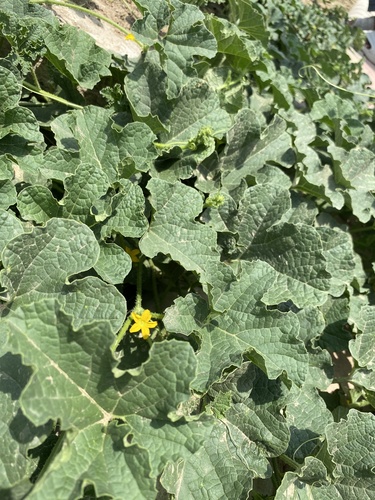
Watermelon, Dudaim melon, Pomegranate melon
Cucumis melo var. flexuosus
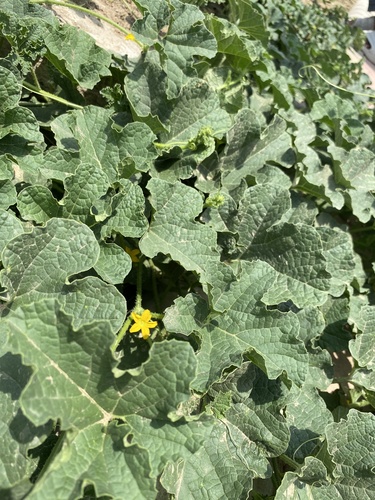
Armenian cucumber, Snake cucumber
Cucumis melo var. inodorus
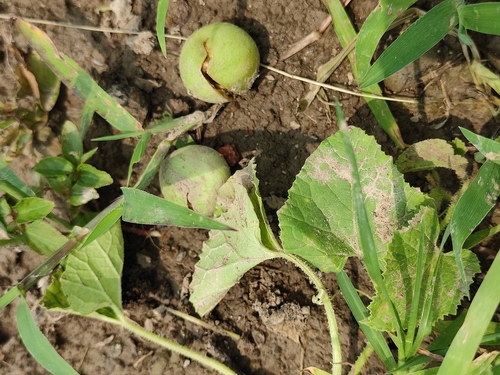
Honeydew melons, Casaba melon, Winter melon
Cucumis melo var. momordica
Snap melon
Cucumis melo var. reticulatus
Netted melons, Cantaloupe
Cucumis messorius