Indigofera hilaris
Eckl. & Zeyh.
Red indigo bush
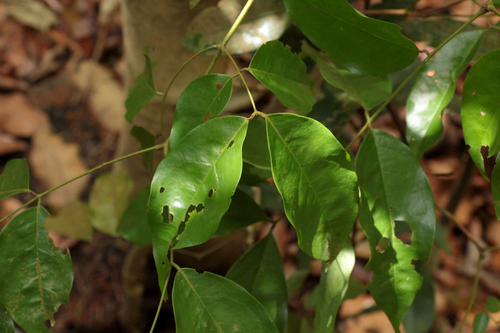
iNaturalist· cc-by-nc
(c) fayne, some rights reserved (CC BY-NC), uploaded by fayne
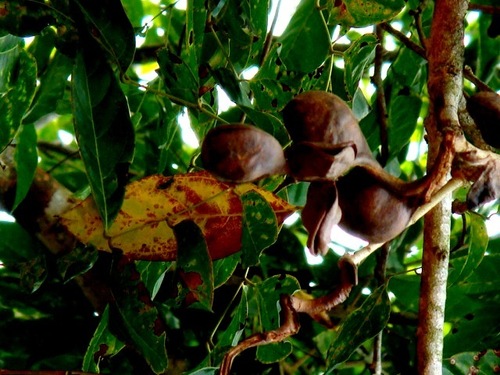
iNaturalist· cc-by-nc
(c) fayne, some rights reserved (CC BY-NC), uploaded by fayne
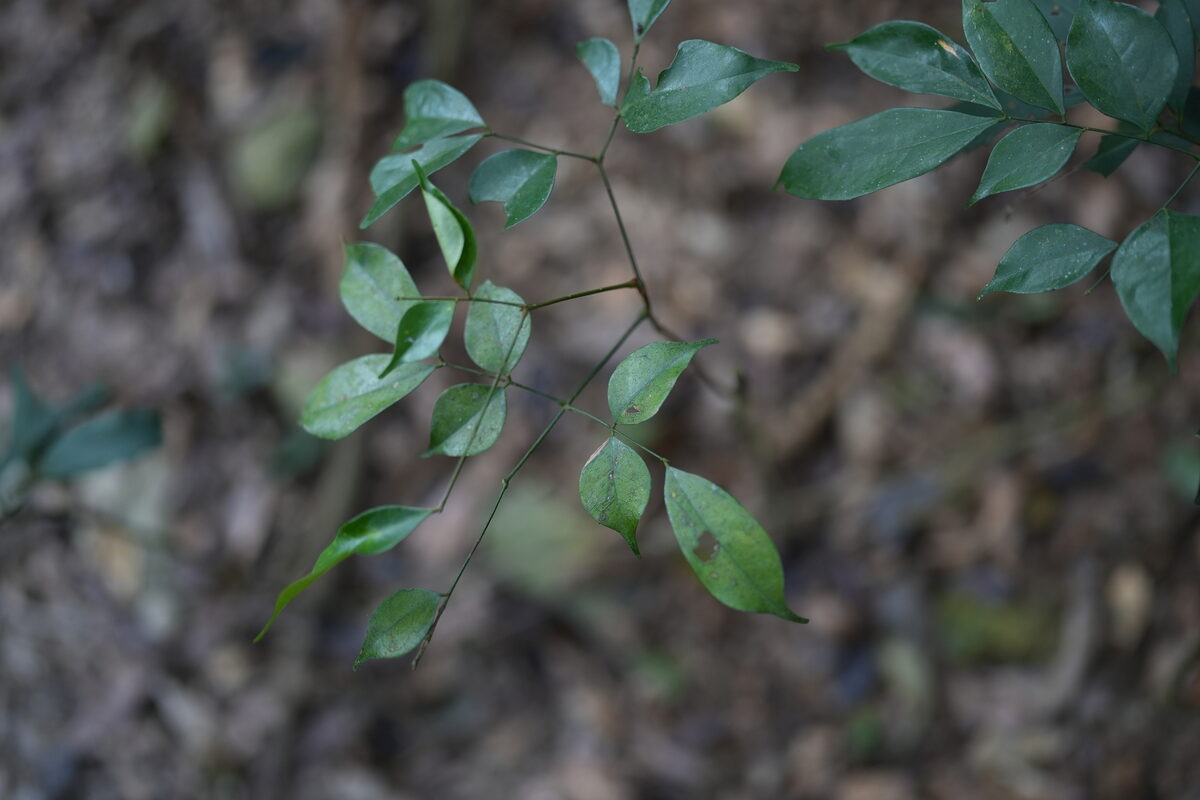
iNaturalist· cc-by-sa
(c) Charles Stirton, some rights reserved (CC BY-SA), uploaded by Charles Stirton
Summary
Source: WikipediaIndigofera hilaris, the red bush indigo or gay indigofera, is a species of leguminous shrublet in the genus Indigofera (family Fabaceae).
Description
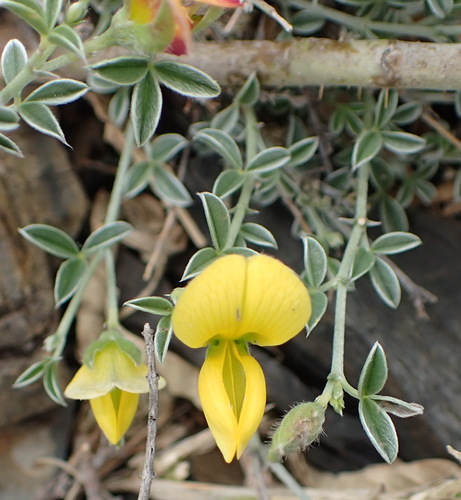
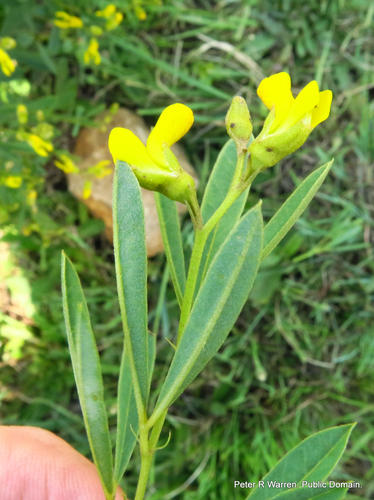
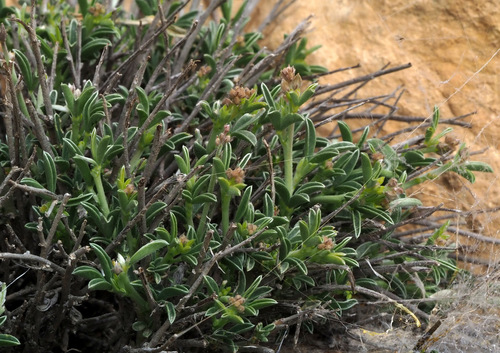
A shrub. It has a woody rootstock. The stems are short and tufted. They are flattened and angular. The leaves are crowded. The leaves can have 1-4 divisions. The leaflets are oblong to sword shaped. The flowers are purple to crimson. The pod is 10-14 mm long by 1.3 mm wide. There are 4-6 seeds. See Indigofera compacta - probably now a synonym..
Edible Uses
The roots are eaten as a snack. The leaves are brewed into tea.
Traditional Uses
The roots are eaten as a snack.
This uses section is brief — help expand it
Distribution
It is a tropical plant. It grows between 1,000-2,200 m above sea level in areas with a rainfall of 100-130 cm.
Where It Grows
Africa, Central Africa, Congo DR, Lesotho, Malawi, Mozambique, Siswati, South Africa, Southern Africa, Swaziland, Tanzania, Zambia, Zimbabwe,
Synonyms
Also Known As
Chubhujeje
References (4)
- Ruiters-Welcome, A. K., 2019, Food plants of southern Africa. Ph.D. thesis. Univ. of Johannesburg p 58
- van Wyk, Ben-Erik, 2019, The diversity and multiple uses of southern African legumes. Australian Systematic Botany, 2019, 32, 519–546
- Welcome, A. K. & Van Wyk, B.-E., 2019, An inventory and analysis of the food plants of southern Africa. South African Journal of Botany 122 (2019) 136–179
- World Checklist of Useful Plant Species 2020. Royal Botanic Gardens, Kew