Opuntia lutea
(Rose) D. R. Hunt
iNaturalist· cc-by-nc
(c) rpmundo, some rights reserved (CC BY-NC), uploaded by rpmundo
iNaturalist· cc-by-nc
(c) Jose Abelardo Sánchez, some rights reserved (CC BY-NC)
iNaturalist· cc-by-nc
(c) delmer jonathan, some rights reserved (CC BY-NC)
Description
A cactus. It grows tall like a tree. It can be 4 m tall. It may be a synonym of Nopalea lutea.
This description is brief — help expand it
Edible Uses
Fruit - raw. The red, ovoid fruit is around 4cm long with persistant spines. The tender young stem segments of various species are often cooked as a vegetable. Known as ‘nopals’ in Mexico, where they are a common ingredient in numerous dishes, they can be eaten raw or cooked, used in marmalades, soups, stews and salads. The most commonly used species are Opuntia ficus-indica and Opuntia matudae, although the stems of almost all Opuntia species are edible.
Medicinal Uses
We have no specific information on medicinal uses for this species, but the following notes are likely to apply universally to Opuntia species and other related genera. The flesh of tender young stem segments can be applied as a poultice to reduce inflammation. The mucilage and soluble fibre found in the flowers and stem segments have been shown to help control blood-sugar levels associated with adult-onset diabetes. There is clinical evidence that the soluble fibre in the stem segments helps reduce blood cholesterol levels.
Distribution
It is a tropical plant.
Where It Grows
Central America, Guatemala, Honduras, Nicaragua,
Other Uses
The plant is grown as a living fence in order to mark out boundaries and create a dense, prickly barrier.
Synonyms
References (1)
- World Checklist of Useful Plant Species 2020. Royal Botanic Gardens, Kew
More from Cactaceae
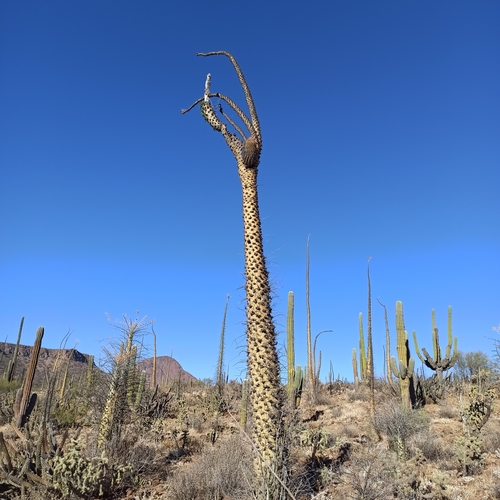
Ferocactus peninsulae
Common narrel cactus
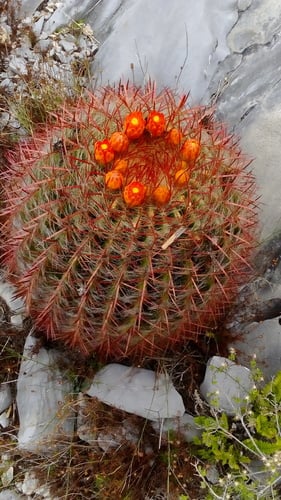
Ferocactus pilosus
Mexican lime cactus
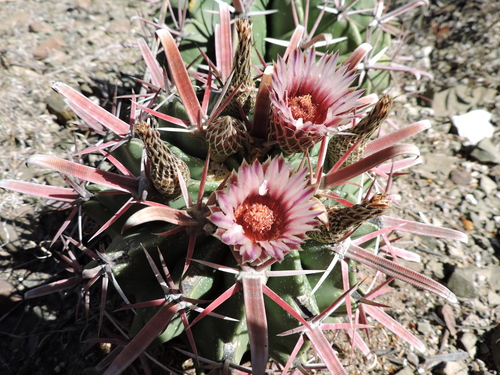
Ferocactus recurvus
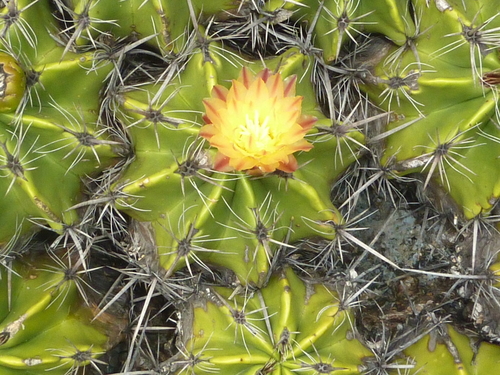
Ferocactus robustus
Clump barrel
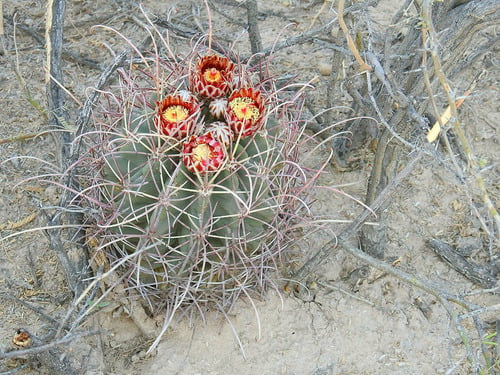
Ferocactus uncinatus
Turk's head cactus, Catclaw cactus
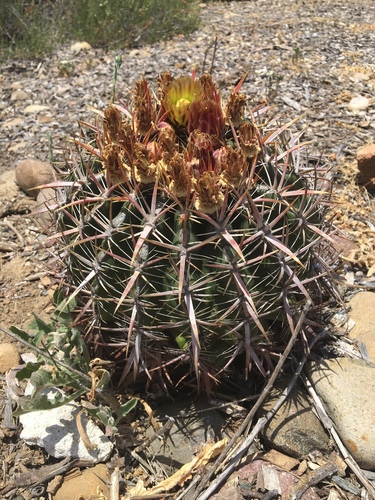
Ferocactus viridescens
Coast barrel cactus, Keg cactus, Green-stemmed viznaga, San Diego barrel cactus, Sisal