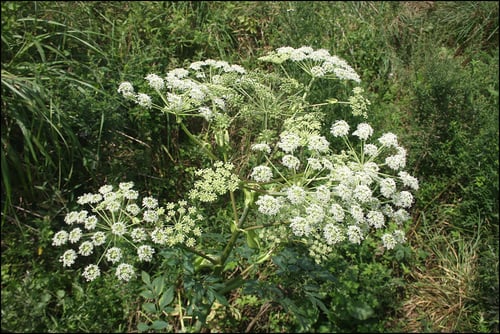
Steganotaenia araliacea
Hochst.
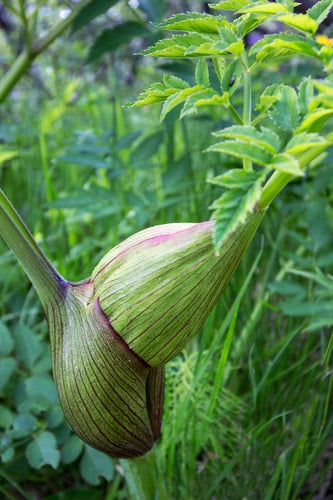
iNaturalist· cc-by-nc
(c) Malcolm Douglas, some rights reserved (CC BY-NC), uploaded by Malcolm Douglas
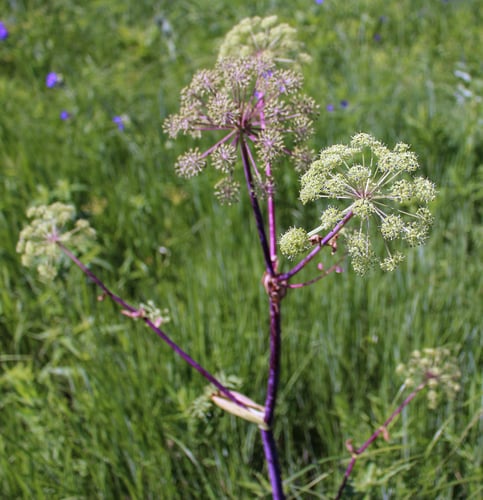
iNaturalist· cc-by-nc
(c) Umar Musa, some rights reserved (CC BY-NC)
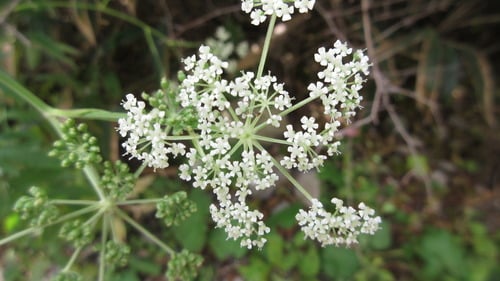
iNaturalist· cc-by-nc
(c) Umar Musa, some rights reserved (CC BY-NC)
Summary
Source: WikipediaSteganotaenia araliacea is a species of flowering plant in the family Apiaceae. It is found in Angola, Benin, Botswana, Cameroon, Democratic Republic of Congo, Ethiopia, Kenya, Mozambique, Namibia, Somalia, South Africa, Sudan, Tanzania, Togo, Uganda, Zambia, Zimbabwe.
Description
A herb.
This description is brief — help expand it
Medicinal Uses
The stem bark contains a number of dibenzocyclo-octadiene lignans. These have displayed cytotoxic (antimitotic) activity in a manner similar to colchicine on 11 human tumour cell lines. The lignans steganangin (the most abundant analogue), steganacin and steganolide A were most abundant. Saponins isolated from the leaves have shown antileukaemic activity. An infusion of the plant is strongly emetic. The roots are used in treating snake bites and painful chest conditions. The bark is chewed as a treatment for fever, and is used in preparing a medication for a heart complication. A decoction, prepared by boiling the bark for one hour, is added to milk and administered orally to adults as a remedy for stomach ache and dysentery. The roots and the bark are used to cure sore throat. The leaves are rubbed on wounds as a general disinfectant.
Distribution
It is a tropical plant.
Where It Grows
Africa, East Africa, Ethiopia, Guinea, Guinée, South Africa, West Africa,
Cultivation
A plant of the dry to moist tropics, where it is found at elevations from near sea level to over 1,800 metres. An exceptionally drought-resistant plant, but it can also be grown in areas of high rainfall so long as the soil is very well drained.
Propagation
Seed - small and difficult to collect, usually small seedlings are collected from the wild. Cuttings.
Other Uses
An essential oil is obtained from the leaves The major components of the oil are limonene + beta-phellandrene, alpha-pinene, sabinene, beta-caryophyllene and cryptone. The odorous leaves are used for scenting garments. The tree trunk is reported to have snake deterring activity. The twigs are used in dental care as toothbrushes. The white wood is soft and brittle. It is used in making farm tool handles and implements. Tree parts are used as fuel wood. The plant is sometimes grown as a hedge. It is considered to be an important species for use in soil conservation projects. The leaf litter enriches the surrounding soil. The tree casts a light shade and is often intercropped with banana, cacao, coffee etc.
Synonyms
References (1)
- World Checklist of Useful Plant Species 2020. Royal Botanic Gardens, Kew