Pelargonium gibbosum
(L.) L;Her.
Gouty pelargonium, Knotted pelargonium
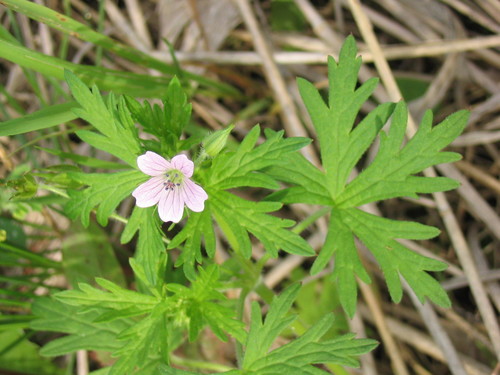
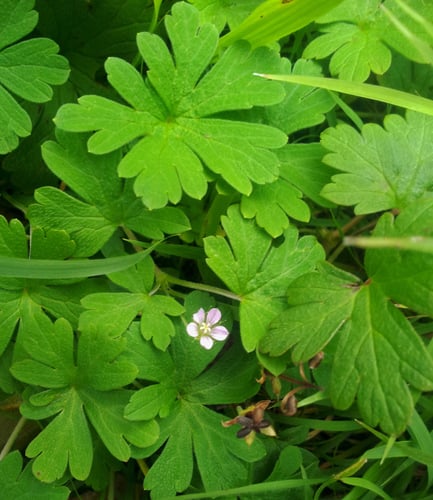
iNaturalist· cc-by-nc
(c) Ella Joyce Buckley, some rights reserved (CC BY-NC), uploaded by Ella Joyce Buckley
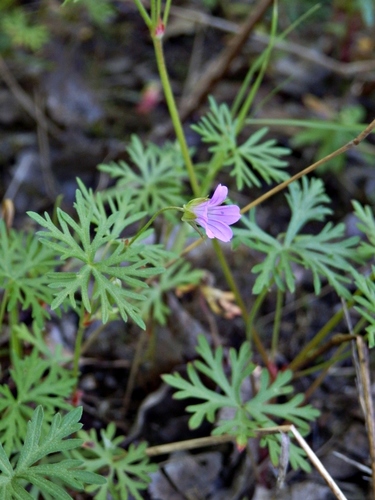
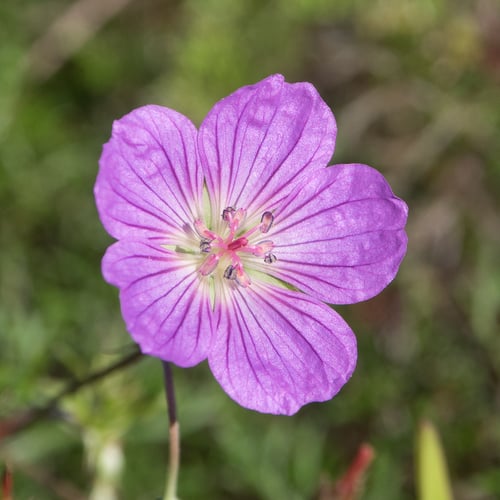
iNaturalist· cc-by-nc
(c) Susie Cornell, some rights reserved (CC BY-NC), uploaded by Susie Cornell
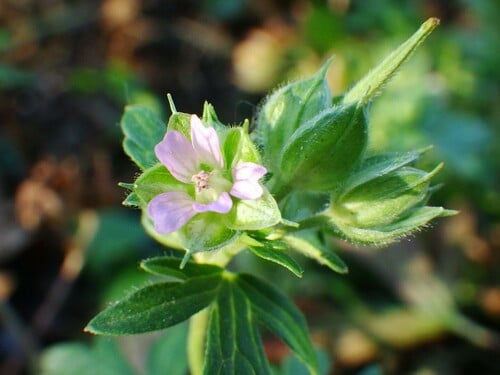
iNaturalist· cc-by-nc
(c) bridget_pitt, some rights reserved (CC BY-NC)
Description
A subtropical herb or ground cover shrub in the Geraniaceae family.
This description is brief — help expand it
Edible Uses
The stems, leaves, and buds are eaten as a snack.
Traditional Uses
The stems and leaves are eaten as a snack.
This uses section is brief — help expand it
Medicinal Uses
In herbal medicine, Pelargonium has been used for intestinal problems, wounds and respiratory ailments, but Pelargonium species have also been used for fevers, kidney complaints and other conditions. Geranium (Pelargonium) oil is considered a relaxant in aromatherapy, and in recent years, respiratory/cold remedies made from P. sidoides and P. reniforme have been sold in Europe and the US. P. sidoides along with Echinacea is used for bronchitis. P. odoratissimum is used for its astringent, tonic and antiseptic effects. It is used internally for debility, gastroenteritis, and hemorrhage and externally for skin complaints, injuries, and neuralgia and throat infections. The essential oil is used in aromatherapy.
Distribution
It is a subtropical plant.
Where It Grows
Africa, South Africa*, Southern Africa,
References (3)
- PlantZAfrica.org
- Ruiters-Welcome, A. K., 2019, Food plants of southern Africa. Ph.D. thesis. Univ. of Johannesburg p 64
- Welcome, A. K. & Van Wyk, B.-E., 2019, An inventory and analysis of the food plants of southern Africa. South African Journal of Botany 122 (2019) 136–179