Geranium lucidum
L.
iNaturalist· cc-by-nc
(c) Kris Ethington, some rights reserved (CC BY-NC), uploaded by Kris Ethington
iNaturalist· cc-by
(c) Gavin Slater, some rights reserved (CC BY)
iNaturalist· cc-by
(c) Gavin Slater, some rights reserved (CC BY)
Summary
Source: WikipediaGeranium lucidum, commonly known as shining cranesbill or (in North America) shining geranium or shiny geranium, is a herbaceous annual plant of the genus Geranium. It is native to Europe, western Asia and North Africa. It has been introduced to North America as a garden plant and in places, particularly the Pacific Northwest, has become naturalised and is viewed as an invasive species and noxious weed.
Description
An annual plant reaching 0.5 m (1 ft 8 in) tall, flowering from May to August. This hermaphroditic, insect-pollinated species requires full sun and cannot tolerate shade. It grows in light sandy, medium loamy, or heavy clay soils with basic to mildly alkaline pH, adapting to either dry or moist conditions. Hardy to UK zone 7.
Edible Uses
None known.
Medicinal Uses
Astringent Diuretic. The plant is diuretic and astringent. Other potential uses: Some sources mention its use for wound healing and other medicinal purposes.
Known Hazards
Weed Potential.
Distribution
It is a temperate plant.
Where It Grows
Europe, Turkey, Türkiye,
Cultivation
Succeeds in any moderately fertile retentive soil in a sunny position. Most members of this genus tolerate a wide range of soil types, though this species is said to require a calcareous soil. Members of this genus are rarely if ever troubled by browsing deer or rabbits.
Propagation
Sow seed in spring directly in situ.
Other Uses
The plant serves as a food source for Annulet moth larvae. It can also be used as a ground cover, providing a protective layer over the soil, and attracts pollinators such as bees and butterflies.
Synonyms
Also Known As
Dakkaotu
References (1)
- Ertug, F, Yenen Bitkiler. Resimli Türkiye Florası -I- Flora of Turkey - Ethnobotany supplement
More from Geraniaceae
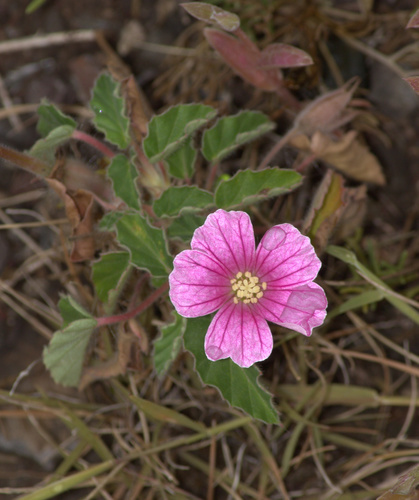
Monsonia senegalensis
Annual dysentery-flower
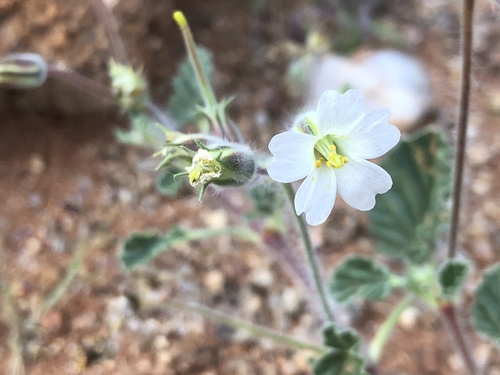
Monsonia umbellata
Bush tea
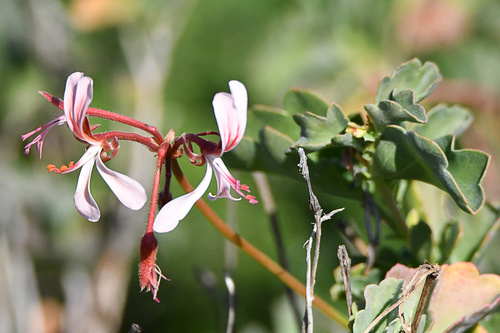
Pelargonium acetosum
Sorrel Geranium, Sorrel-leaved stork's bill
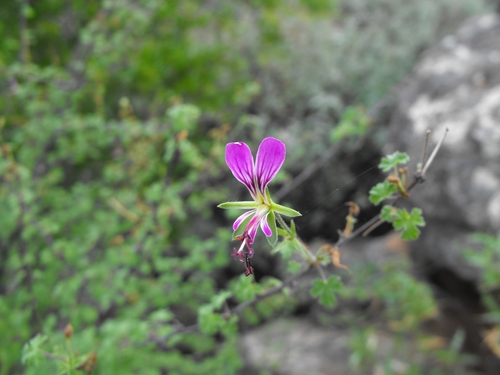
Pelargonium antidysentericum
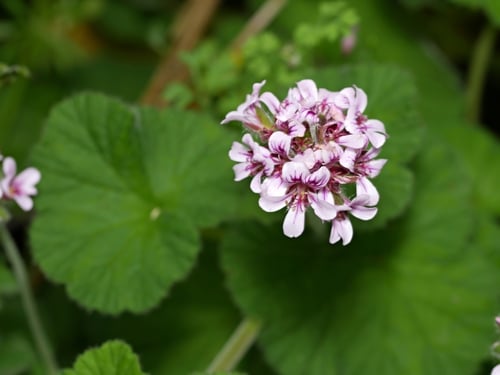
Pelargonium australe
Austral Stalk’s Bill, Austral Storksbill, Native Storksbill, Native Pelargonium, Southern storksbill
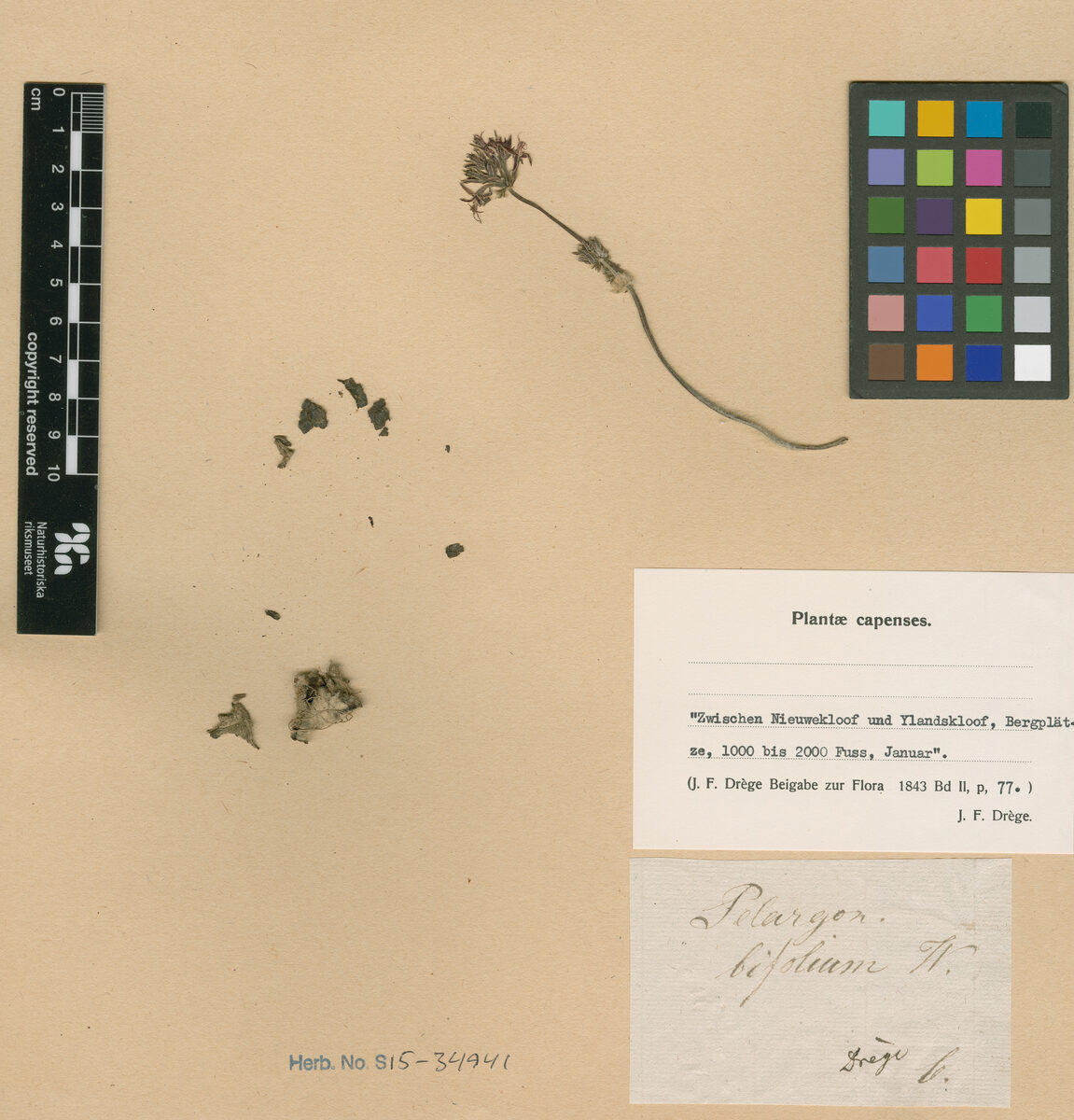
Pelargonium bifolium