Iris domestica
(L.) Goldblatt & Mabb.
Leopard lily
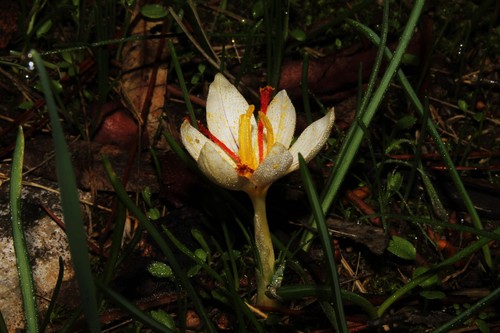
iNaturalist· cc0
no rights reserved, uploaded by 葉子
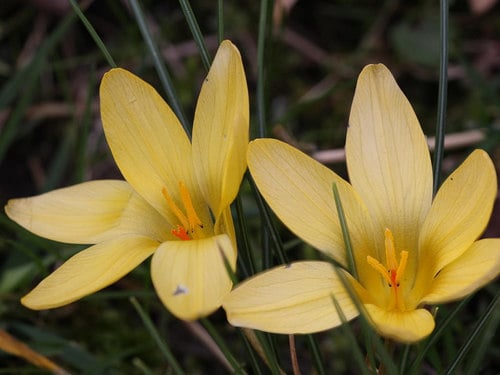
iNaturalist· cc-by-nc
(c) Frank Model, some rights reserved (CC BY-NC), uploaded by Frank Model
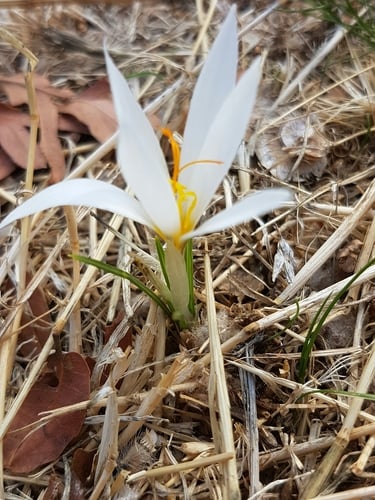
iNaturalist· cc-by
(c) Michael J. Papay, some rights reserved (CC BY), uploaded by Michael J. Papay
Summary
Source: WikipediaIris domestica, commonly known as leopard lily, blackberry lily, and leopard flower, is an ornamental plant in the family Iridaceae. In 2005, based on molecular DNA sequence evidence, Belamcanda chinensis, the sole species in the genus Belamcanda, was transferred to the genus Iris and renamed Iris domestica.
Description
A herb. It grows 50-150 cm tall. It has a creeping rhizome. It has a clump of sword shaped leaves.
This description is brief — help expand it
Edible Uses
Leaves - cooked. Caution is advised, see the notes above on toxicity.
Medicinal Uses
I. domestica is a common ornamental plant in private and public gardens, zoos, and floral displays. Its flowers provide nectar and pollen to insects and birds. The plant has been used in traditional medicine.
Known Hazards
Leaves should be used with caution.
Distribution
It is a tropical plant.
Where It Grows
Asia, Bangladesh, China, Japan, Korea, India, Malaysia, Myanmar, Nepal, Philippines.
Cultivation
It can be grown from seed.
Propagation
Seed - best sown as soon as it is ripe in a container or a nursery seed bed. Pre-chill stored seed for 7 days and sow in a nursery seedbed or container. The seed germinates in 2 - 8 weeks at 20°c. Prick out the seedlings into individual pots as soon as they are large enough to handle and plant out when large enough. Division. Larger divisions can be planted straight into their permanent positions whilst smaller clumps are best potted up and grown on until they are established.
Other Uses
The root contains tannin.
Notes
It is used as medicine.
Also Known As
Padam pushkar
References (1)
- World Checklist of Useful Plant Species 2020. Royal Botanic Gardens, Kew