Aloe perryi
Baker
Socotrine aloe, Perry's aloe
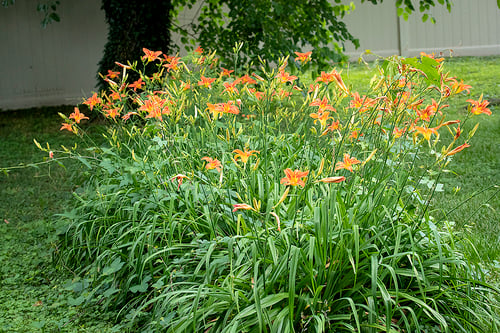
iNaturalist· cc-by-nc
(c) Morten Ross, some rights reserved (CC BY-NC), uploaded by Morten Ross
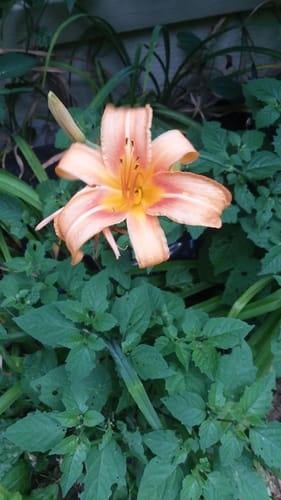
iNaturalist· cc-by-nc
(c) prasadkotian, some rights reserved (CC BY-NC)
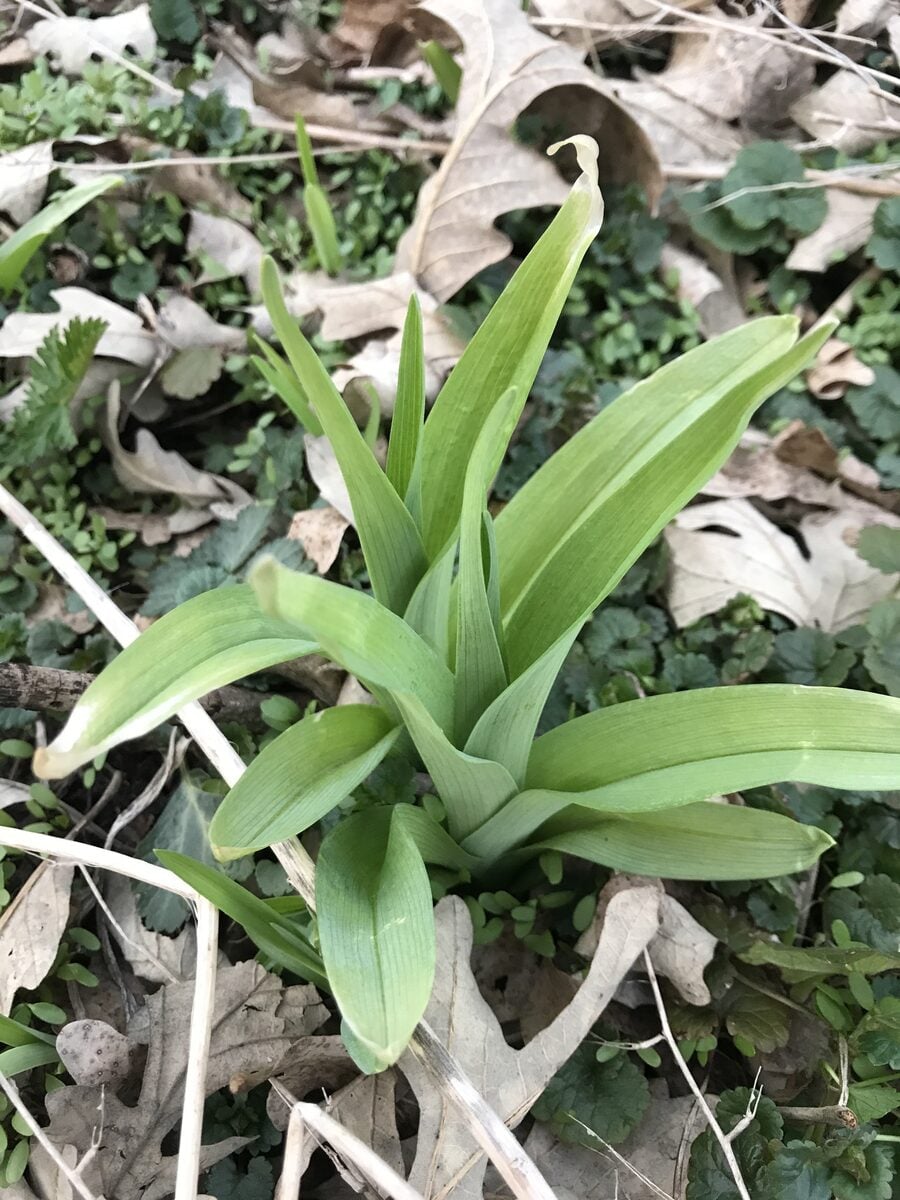
iNaturalist· cc-by-nc
(c) Morten Ross, some rights reserved (CC BY-NC), uploaded by Morten Ross
Summary
Source: WikipediaAloe perryi is a species of plant in the genus Aloe. It is endemic to the island of Socotra in Yemen, and may be known by the common name, Socotrine aloe.
Description
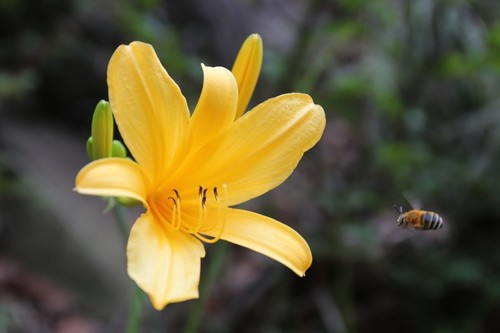
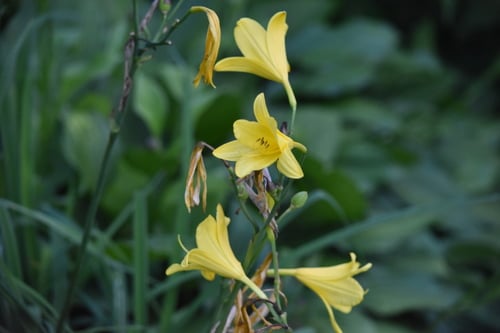
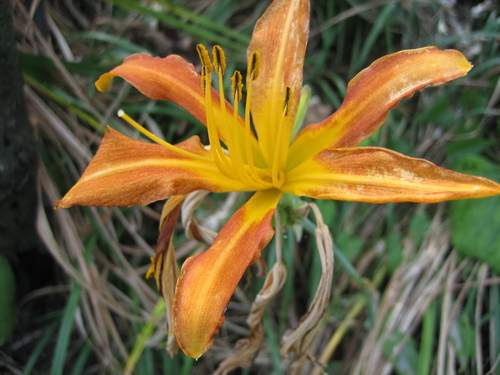
An aloe. It grows 30 cm tall. The leaves are succulent and thick and have spines. The flowers are yellow to orange.
This description is brief — help expand it
Edible Uses
No edible uses are known for Aloe perryi.
Medicinal Uses
Aloe perryi is used medicinally in the same ways as Aloe vera. The clear gel from within the leaves makes an excellent treatment for wounds, burns, and a wide range of skin disorders, forming a protective layer over the affected area, accelerating healing, and reducing infection risk — effects partly attributed to aloectin B, which stimulates the immune system. To extract the gel, leaves can be cut lengthwise and the inner pulp applied directly to skin, giving immediate relief from burns and other skin complaints. The gel is also applied externally to treat haemorrhoids. In the United States, the gel has been approved for treating leukaemia in cats, fibrosarcoma in dogs, wound healing in humans, and preventing dry socket in humans. Peeled leaves are eaten to relieve sore throat, coughs, and as a mild laxative. As a food supplement, the leaf gel is said to support digestion and improve blood and lymphatic circulation, as well as kidney, liver, and gallbladder function. Claims of benefit in cases of AIDS, arthritis, and other chronic conditions exist but have not been substantiated by scientific studies. There is also no evidence that topical gel prevents or minimises radiation-induced skin reactions in cancer patients. A bitter substance drawn from the yellow sap at the base of the leaf — known as bitter aloes — contains anthraquinones that act as a digestive stimulant and strong laxative, and also have vermicidal properties. It is taken internally for chronic constipation, poor appetite, and digestive problems, and in mixtures with other ingredients to address asthma, coughs, dysentery, kidney problems, and dyspepsia. An antispasmodic is recommended alongside it to moderate its griping action. Externally, it is used as a refrigerant for acne and cuts. 'Curaçao aloe' must contain at least 28% hydroxy-anthraquinone derivatives, be at least almost entirely soluble in 60% alcohol and more than 70% soluble in water, and must not exceed 12% moisture or 3% ash. The plant is strongly purgative and dosage must be carefully controlled. Anthraquinone-based laxatives should not be used for longer than 8–10 days, nor given to children under 12 years. Contraindications include pregnancy, breastfeeding, intestinal inflammation, and haemorrhoids. When grown in pots, the anthraquinone content is greatly reduced.
Known Hazards
The sap of Aloe species contains anthraquinones. These compounds have several beneficial medicinal actions, particularly as a laxative, and many species of Aloe are thus employed in traditional medicine. Whilst safe in small doses and for short periods of time, anthraquinones do have potential problems if used in excess. These include congestion and irritation of the pelvic organs. Long term use of anthraquinone laxatives may also play a role in development of colorectal cancer as they have genotoxic potential, and tumorigenic potential.
Distribution
It is a Mediterranean climate plant. It grows in the desert.
Where It Grows
Socotra, Yemen,
Cultivation
A plant of mainly arid and semi-arid lowland areas in the tropics. It grows best in areas where annual daytime temperatures are within the range 22° - 27°c, but can tolerate 12° - 31°c. It can be killed by temperatures of 5°c or lower. It prefers a mean annual rainfall in the range 400 - 700mm, but tolerates 250 - 1,400mm. Tolerant of poor soils. Requires a well-drained, light to medium soil and a position in full sun. Prefers a pH in the range 6.5 - 7, tolerating 6 - 7.5. Aloe species follow the Crassulacean acid metabolism (CAM). CAM plants can fix carbon dioxide at night and photosynthesize with closed stomata during the day, thus minimizing water loss. This, plus their succulent leaves and stems, and the presence of a thick cuticle, makes them well adapted to dry conditions. Aloe species are not self-fertile and often require cross-pollination with other plants for successful seed production. Aloe leaves can be harvested year-round, but mature leaves are generally harvested in late spring to summer when the plant is most vigorous for specific products like aloe vera gel. Aloe species typically flower in late winter to early spring, depending on the species and local climate conditions. Growth rates can vary among species, but generally, aloe plants are considered moderate to slow growers, with many species taking several years to reach maturity.
Propagation
No species-specific information is available. Generally, Aloe seed is sown in a sandy, well-drained potting soil in a warm, shady position in standard seed trays. Cover seed with a thin layer of sand (1–2 mm) and keep moist. Germination takes about three weeks. Seedlings can be moved into individual bags or containers once large enough to handle.
Other Uses
Other uses rating: Low (2/5). Aloe perryi can serve as a drought-resistant ground cover suitable for xeriscaping and container growing, helping to prevent erosion and support soil health. Its tubular flowers are nectar-rich and attract pollinators such as bees and hummingbirds. The flowers may provide food for wildlife, and the dense foliage offers some shelter for small animals. The plant does not produce significant leaf litter or overwintering sites for invertebrates, and its scent is not known to deter or confuse pests, though its sap may have some effect.
Notes
Also put in the family Asphodelaceae.
Synonyms
Also Known As
Perry's Aloe. Socotrine Aloe. Aloe perryi. Synonyms: Aloe forbesii Balf.f.; Aloe socotrina.
References (1)
- World Checklist of Useful Plant Species 2020. Royal Botanic Gardens, Kew