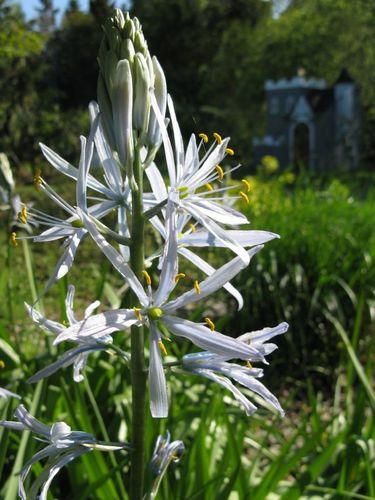
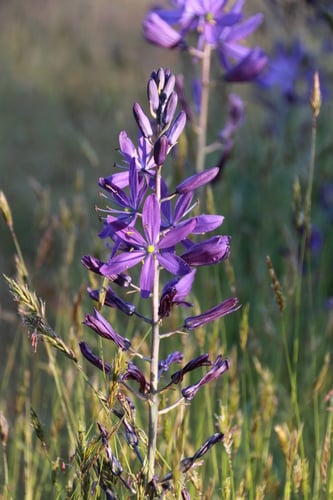
Agave amica
(Medik.) Thiede & Goivaerts
Tuberose
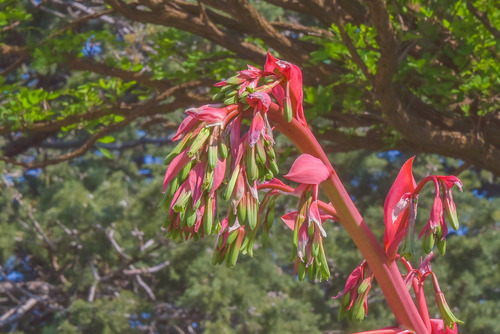
iNaturalist· cc-by-nc
(c) Steven Joy, some rights reserved (CC BY-NC)
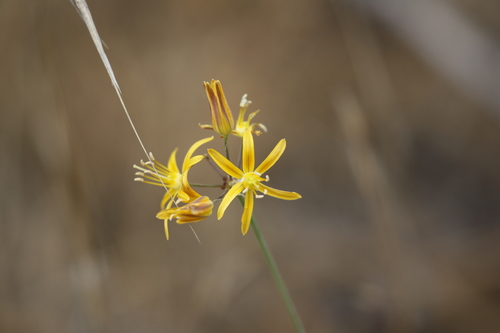
iNaturalist· cc-by-nc
(c) Steven Joy, some rights reserved (CC BY-NC)
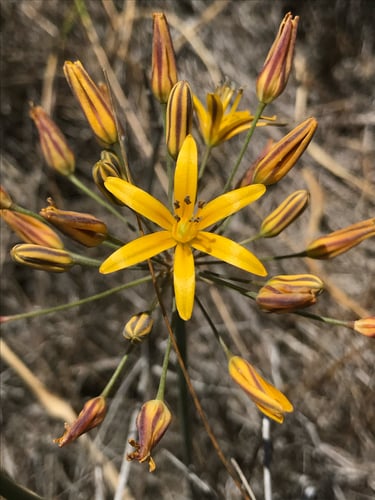
iNaturalist· cc-by-nc
(c) Steven Joy, some rights reserved (CC BY-NC)
Description
An herb with tubers in the Asparagaceae family, growing in tropical and temperate regions.
This description is brief — help expand it
Edible Uses
Flowers - cooked. Used in vegetable soups or added to the substrate of 'kecap', an Indonesian soy sauce. The flowers are the source of tuberosa-flower water. No further details are given.
Known Hazards
Many Agave species have strong, sharp spines on the leaves and leaf tips. In theory at least, the flowers, nectar, immature flowering stem and the centre of the rosette of all Agave species is edible and, with proper preparation, can provide a sweet, tasty foodstuff. Some species, however, contain relatively high levels of saponins (which makes them taste bitter) and some other compounds which can cause bellyache, and so these would only be eaten in times of desperation. In addition, many people may find these foods to be strongly laxative the first few times they eat them.
Distribution
It grows in tropical and temperate regions.
Where It Grows
Asia, Indonesia, Mexico, SE Asia,
Cultivation
Requires a warm sheltered position and a humus-rich, fertile, well-drained soil. Prefers a sandy soil and a sunny position. Plants require copious amounts of moisture when starting into growth. The flowers are perhaps the most powerfully scented of all flowers. The perfume is almost intoxicating, especially when the plant is grown in gentle heat when it is heavy and sickly almost to the point of unpleasantness. A double-flowered cultivar, 'The Pearl' has an even more pronounced fragrance.
Propagation
Seed - surface sow in a container in a light position. The seed usually germinates in 1 - 3 months at 15 - 20°c. Prick out the seedlings into individual pots of well-drained soil when they are large enough to handle and grow them on in a sunny position until they are at least 10cm tall before planting out. Division of offsets after the plant has finished flowering.
Other Uses
An essential oil is obtained from the flowers. It is used in high grade perfumery. 1150kg of flowers yield 1kg absolute essential oil.
Synonyms
References (1)
- World Checklist of Useful Plant Species 2020. Royal Botanic Gardens, Kew