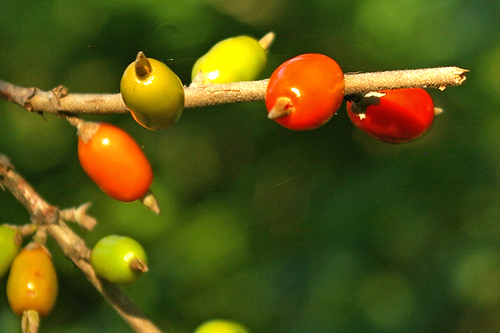
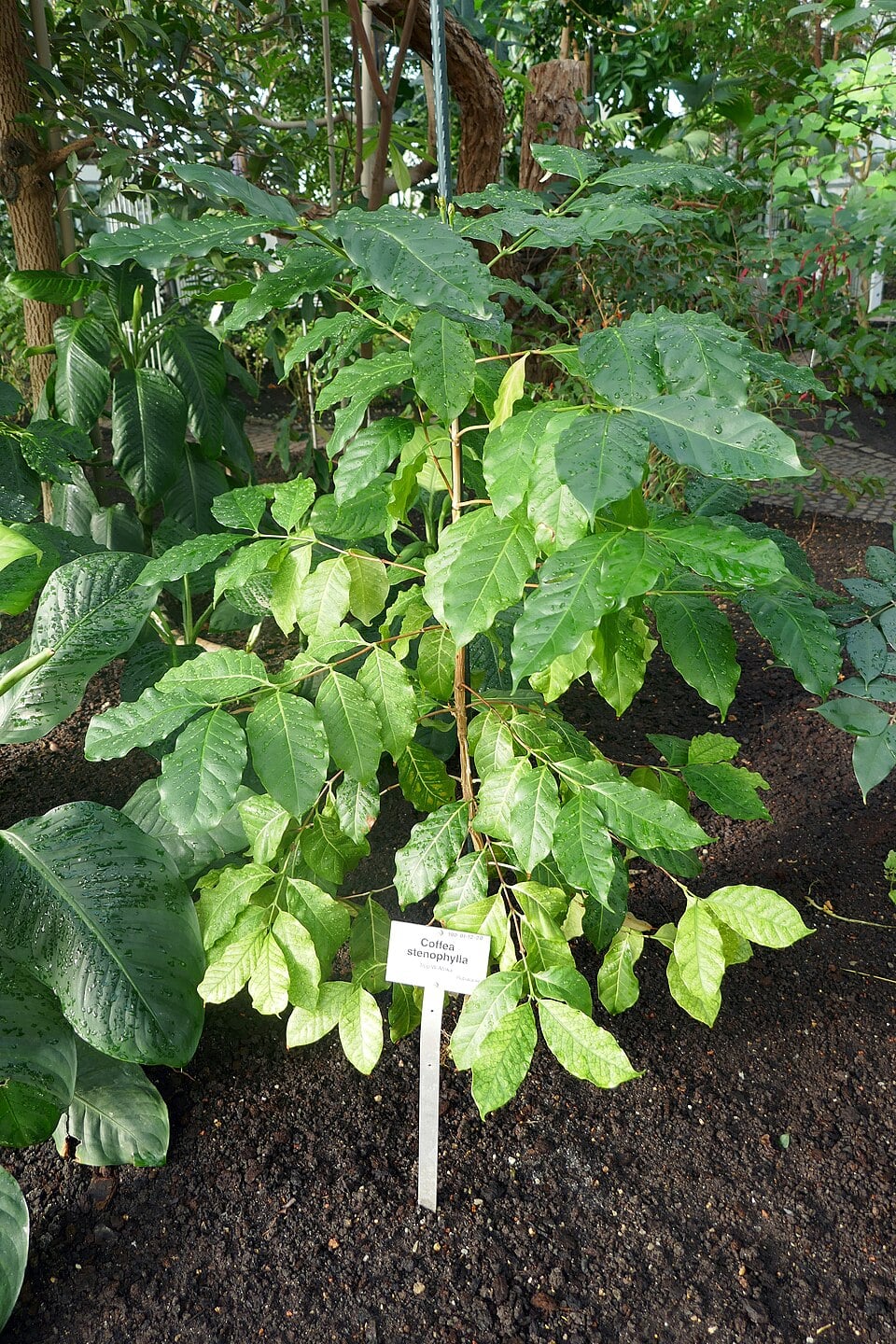
Craterispermum cerinanthum
Hiern
Sweet tree
gbif· cc-by-nc-sa
MBG
gbif· cc-by-nc-sa
MBG
gbif· cc-by-nc-sa
MBG
Description
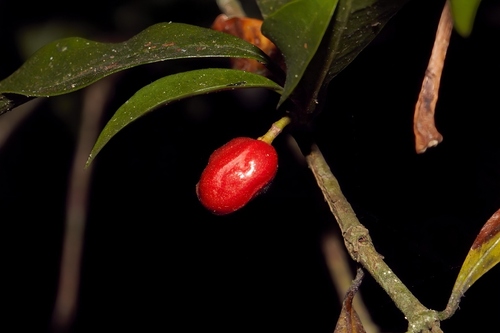
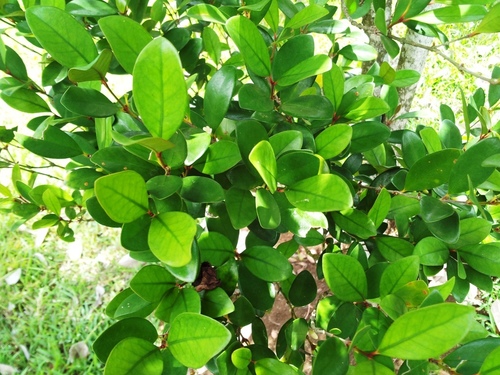
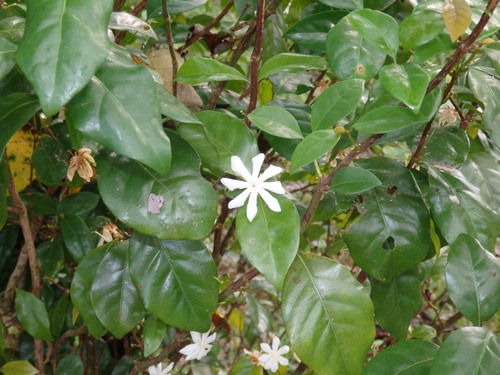
A shrub or tree. It can grow 18 m tall. The trunk can be 40 cm across. The flowers are white.
This description is brief — help expand it
Edible Uses
The 10 mm thick layer of white inner bark is edible and used as a vegetable.
Traditional Uses
The 10 mm thick layer of white inner bark is edible.
This uses section is brief — help expand it
Distribution
A tropical plant. It grows in the under-storey of the closed forest.
Where It Grows
Africa, Angola, Cameroon, Central Africa, Central African Republic, CAR, Congo DR, Côte d'Ivoire, Gabon, Ghana, Ivory Coast, Nigeria, West Africa,
Cultivation
Plants can be grown from seeds.
Other Uses
The whitish wood is hard. It does not have any recorded uses.
Notes
There are 15-20 Craterispermum species.
Also Known As
Duade, Ozoh, Urukumu
References (8)
- Burkill, H. M., 1985, The useful plants of west tropical Africa, Vol. 1. Kew.
- Chapman, J. D. & Chapman, H. M., 2001, The Forest Flora of Taraba and Andamawa States, Nigeria. WWF & University of Canterbury. p 197
- Grivetti, L. E., 1980, Agricultural development: present and potential role of edible wild plants. Part 2: Sub-Saharan Africa, Report to the Department of State Agency for International Development. p 24
- Grubben, G. J. H. and Denton, O. A. (eds), 2004, Plant Resources of Tropical Africa 2. Vegetables. PROTA, Wageningen, Netherlands. p 560
- IRVINE,
Show all 8 references Hide references
- Jardin, C., 1970, List of Foods Used In Africa, FAO Nutrition Information Document Series No 2.p 71
- Schatz, G.E., 2001, Generic Tree Flora of Madagascar. Royal Botanical Gardens, Kew and Missouri Botanical Garden. p 328 (Genus)
- World Checklist of Useful Plant Species 2020. Royal Botanic Gardens, Kew