Juniperus indica
Bertol.
iNaturalist· cc-by-nc
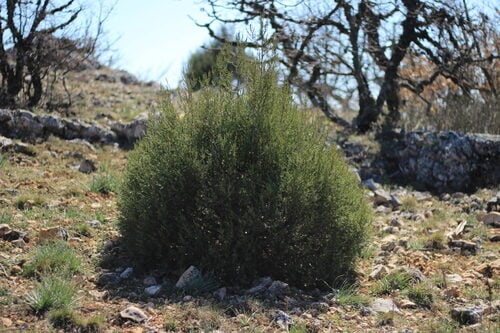
(c) perrylb, some rights reserved (CC BY-NC)
iNaturalist· cc-by-nc
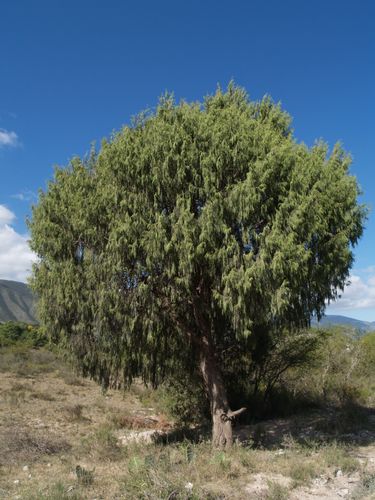
(c) Александр Кулагин, some rights reserved (CC BY-NC)
iNaturalist· cc-by-nc
(c) Александр Кулагин, some rights reserved (CC BY-NC)
Summary
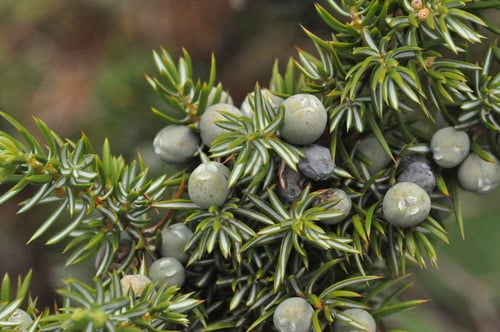
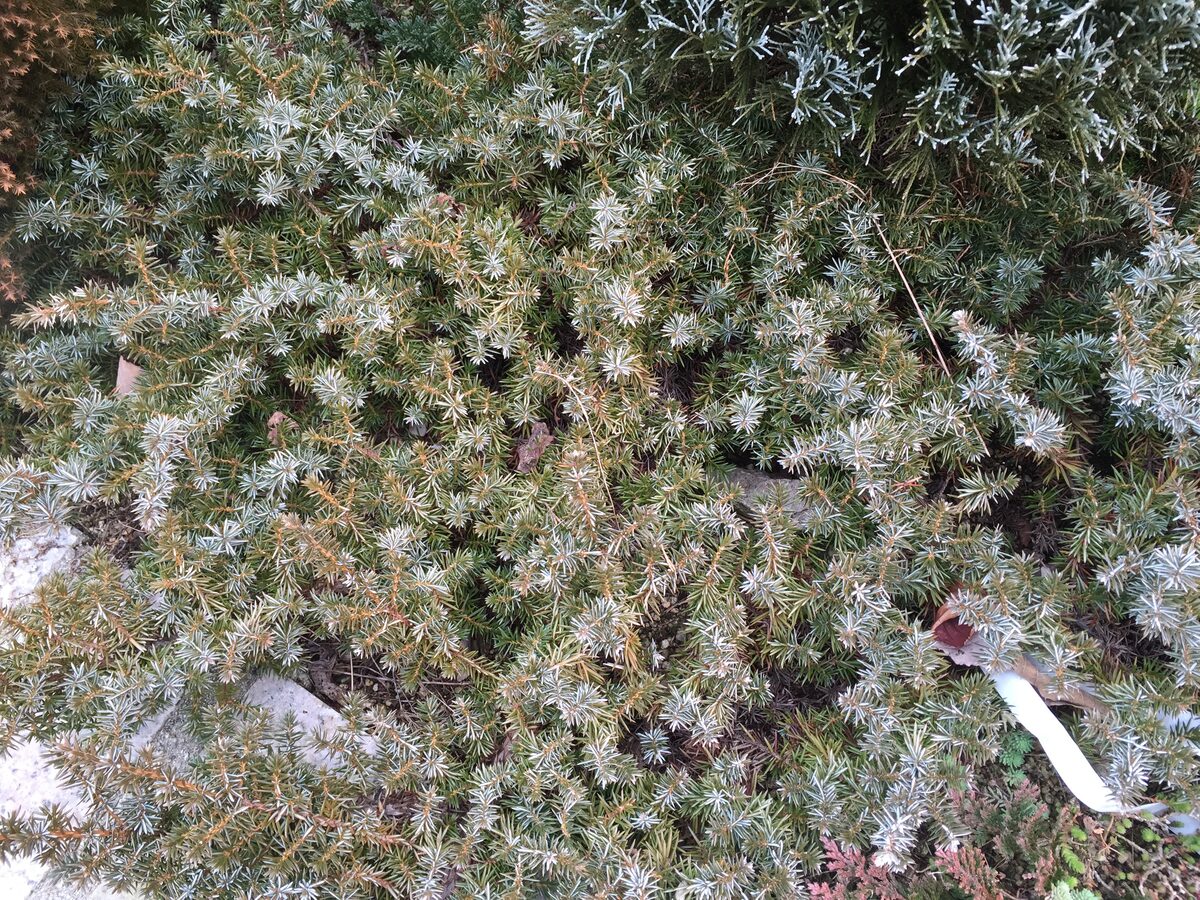
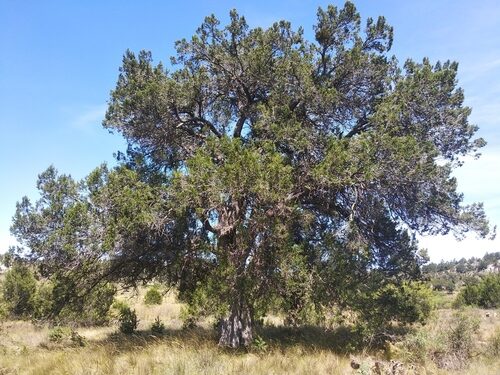
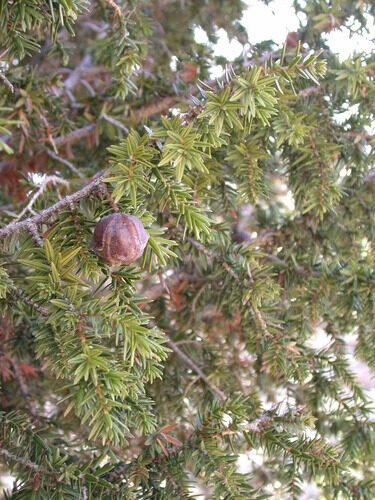
Source: WikipediaJuniperus indica, the black juniper, is a juniper native to high-altitude climates in the Himalaya, occurring in Pakistan, India, Nepal, Bhutan and China. It is of interest as the highest elevation woody plant known, reported growing as high as 5,200 metres (17,100 feet) in southern Tibet; the lowest limit being 2,600 m (8,500 ft). It is a shrub growing to 50–200 centimetres (20–79 in) tall, with largely horizontal branching. The leaves are dark gray-green, dimorphic, with adult plants having mostly scale-like leaves 1–3 millimetres (1⁄16–1⁄8 in) long, while young plants have mostly needle-like leaves 5–8 mm long, but needle-like leaves can also be found on shaded shoots of adult plants. The leaves are borne in whorls of three on strong stout main stem shoots, and opposite pairs on thinner, slower-growing shoots. It is dioecious, with male (pollen) and female (seed) cones on separate plants. The mature seed cones are ovoid, berry-like, 6–10 mm long, glossy black, and contain a single seed; the seeds are dispersed by birds which eat the cones, digest the fleshy cone pulp, and excrete the seeds in their droppings.
Description
A shrub. It grows 2 m tall. The end small branches are densely arranged and often 4 angled. Young trees have needle like leaves in a ring. The seed cones are black when ripe.
Edible Uses
Fresh leaves are used in the fermentation of drinks.
Traditional Uses
The fresh leaves are used in the fermentation of a drink.
This uses section is brief — help expand it
Distribution
It is a subtropical plant.
Where It Grows
Asia, China, Himalayas, India,
Synonyms
Also Known As
Bhitaru
References (1)
- Kishor, A., et al, 2018, Wild Food Plants of Himachal Pradesh: A Review. Plant Archives Vol. 18 No.2 pp. 2737-2751