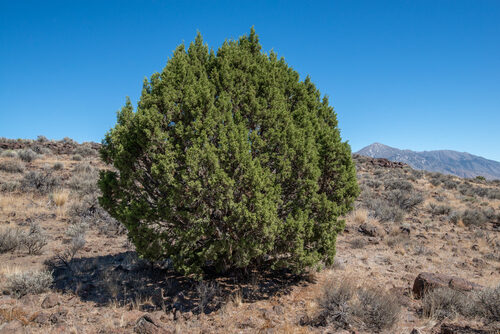
Thuja orientalis
L.
Biota
gbif· cc-by
GBIF
gbif· cc-by-nc
Florida Museum of Natural History Herbarium - University of Florida
gbif· cc-by-nc
Florida Museum of Natural History Herbarium - University of Florida
Description
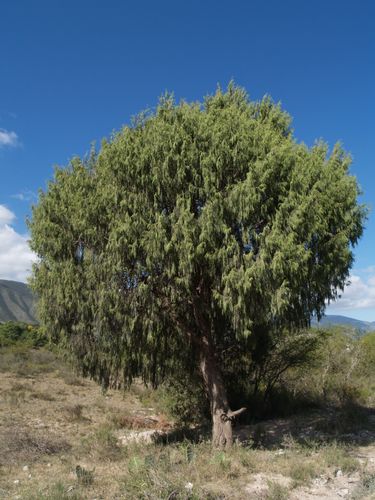
Thuja orientalis is an evergreen Tree growing to 15 m (49ft) by 5 m (16ft) at a slow rate. See above for USDA hardiness. It is hardy to UK zone 6. It is in leaf all year, and the seeds ripen from September to October. The species is monoecious (individual flowers are either male or female, but both sexes can be found on the same plant) and is pollinated by Wind. Suitable for: light (sandy), medium (loamy) and heavy (clay) soils and prefers well-drained soil. Suitable pH: mildly acid, neutral and basic (mildly alkaline) soils and can grow in very alkaline soils. It can grow in semi-shade (light woodland) or no shade. It prefers dry or moist soil and can tolerate drought. It can tolerate atmospheric pollution.
Edible Uses
Seed - after removing the bitterness. No more details are given, but the bitterness in seeds is usually removed either by leaching them in water or by thoroughly cooking them.
Medicinal Uses
Antiasthmatic Antibacterial Antipyretic Antitussive Aperient Astringent Diuretic Dysentery Emmenagogue Emollient Expectorant Haemostatic Lenitive Parasiticide Sedative Skin Stomachic. This plant is commonly used in Chinese herbalism, where it is considered to be one of the 50 fundamental herbs. Both the leaves and the seeds contain an essential oil consisting of borneol, bornyl acetate, thujone, camphor and sesquiterpenes. The leaves also contain rhodoxanthin, amentoflavone, quercetin, myricetin, carotene, xanthophyll and ascorbic acid. The leaves are antibacterial, antipyretic, antitussive, astringent, diuretic, emmenagogue, emollient, expectorant, febrifuge, haemostatic, refrigerant and stomachic. Their use is said to improve the growth of hair. They are used internally in the treatment of coughs, haemorrhages, excessive menstruation, bronchitis, asthma, skin infections, mumps, bacterial dysentery, arthritic pain and premature baldness. The leaves are harvested for use as required and can be used fresh or dried. This remedy should not be prescribed to pregnant women. The seed is aperient, lenitive and sedative. It is used internally in the treatment of palpitations, insomnia, nervous disorders and constipation in the elderly. The root bark is used in the treatment of burns and scalds. The stems are used in the treatment of coughs, colds, dysentery, rheumatism and parasitic skin diseases.
Known Hazards
The leaves are toxic if eaten. The plant can also cause skin allergies in sensitive people.
Distribution
E. Asia - W. China, N. Korea. A small wild population is also found in N.E. Iran.
Where It Grows
TEMPERATE ASIA: China (Gansu Sheng (south), Hebei Sheng, Henan Sheng, Shaanxi Sheng, Shanxi Sheng), Korea
Cultivation
Prefers a moist loamy soil. Grows best on dry freely draining sites, often alkaline in reaction. Does well over old building rubble. Tolerant of dry dusty sites and of atmospheric pollution in towns. Prefers a sunny sheltered position. Easily transplanted. There are many named varieties selected for their ornamental value. Produces seed freely in cultivation. A slow growing tree, it does not really thrive in Britain, especially in the western part of the country. The best specimens are to be found in towns or cities such as Oxford and very sharply drained soils in gardens. Plants cannot regenerate from old wood. Pruning is not normally necessary for this species, any pruning that is carried out should be done with care. Plants are susceptible to attacks by honey fungus. Plants are monoecious, male catkins being produced at the tips of branches and female cones at the base.
Propagation
Seed - best sown when ripe in the autumn in a cold frame. Stored seed germinates best if given a short cold stratification. It can then be sown in a cold frame in late winter. Plants make very little growth in their first year. When they are large enough to handle, prick the seedlings out into individual pots and grow them on in the greenhouse for at least their first winter. Plant them out into their permanent positions in late spring or early summer, after the last expected frosts. If there is sufficient seed it is worthwhile trying a sowing in an outdoor seed bed in April. Grow the plants on for at least two years before planting them out in the winter. Cuttings of half-ripe wood, 5 - 8cm with a heel, July/August in a shaded frame. Forms roots by the end of September but should be overwintered in a frame. Cuttings of almost ripe wood, 5 - 10cm with a heel, September in a cold frame. Forms roots in the following summer. Plant out in autumn or spring.
Other Uses
Dye Hedge Hedge Parasiticide Wood. Tolerant of regular trimming, though not into old wood, it can be grown as a dense hedge. A yellow dye is obtained from the young branches. Wood - durable in the soil, moderately hard, close grained, rather coarse grained, light, soft, brittle. Used for construction, cabinet making, cooperage.