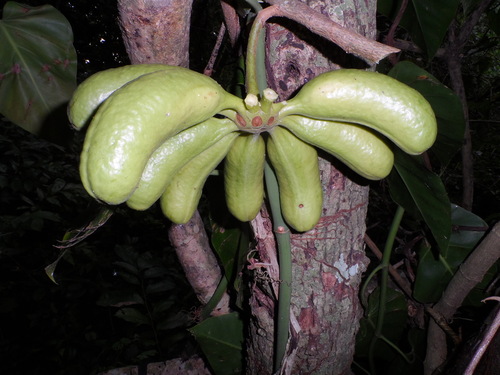
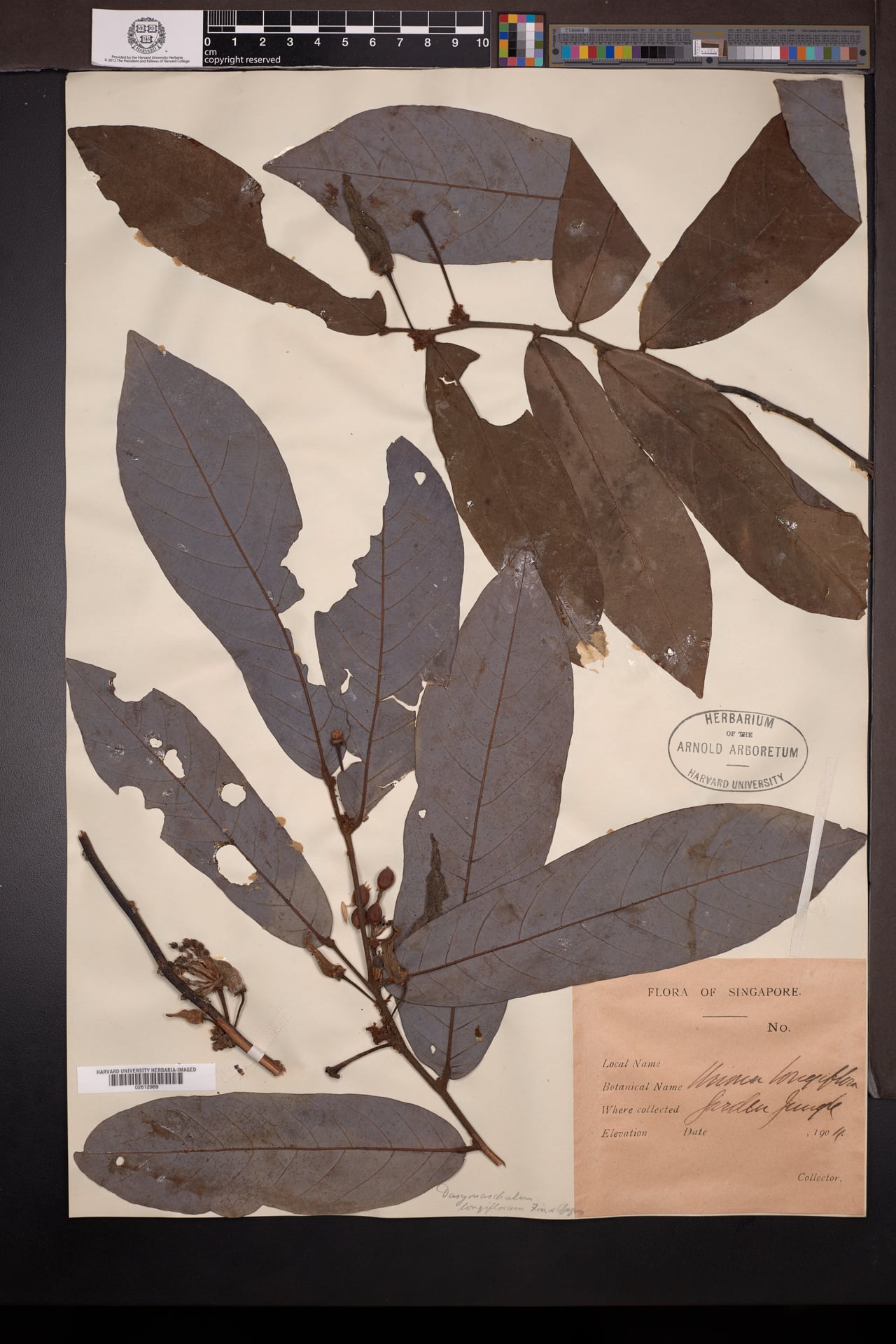
Xylopia cuspidata
Diels
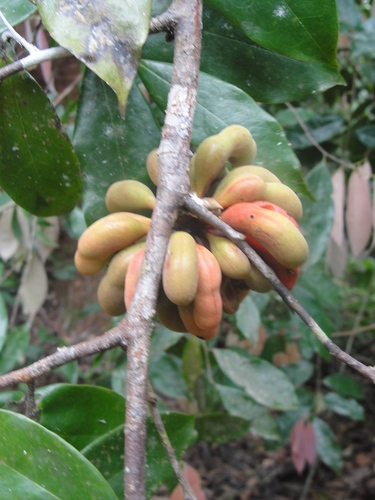
iNaturalist· cc-by
(c) Michael D. Pirie, some rights reserved (CC BY), uploaded by Michael D. Pirie
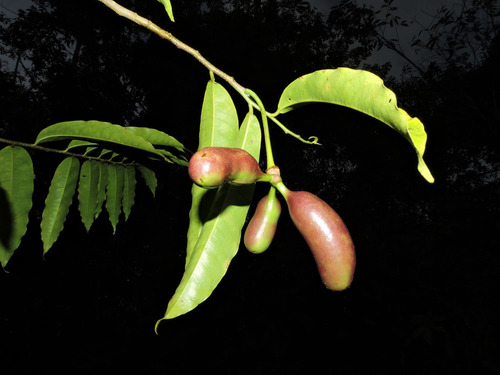
iNaturalist· cc-by-nc
(c) James G. Graham, some rights reserved (CC BY-NC)
Summary
Source: WikipediaXylopia cuspidata is a species of plant in the Annonaceae family. It is native to Bolivia, Brazil, Colombia, Ecuador and Peru. Ludwig Diels, the botanist who first formally described the species, named it after the leaves which have an abruptly pointed tip (cuspidatus in Latin).
Description
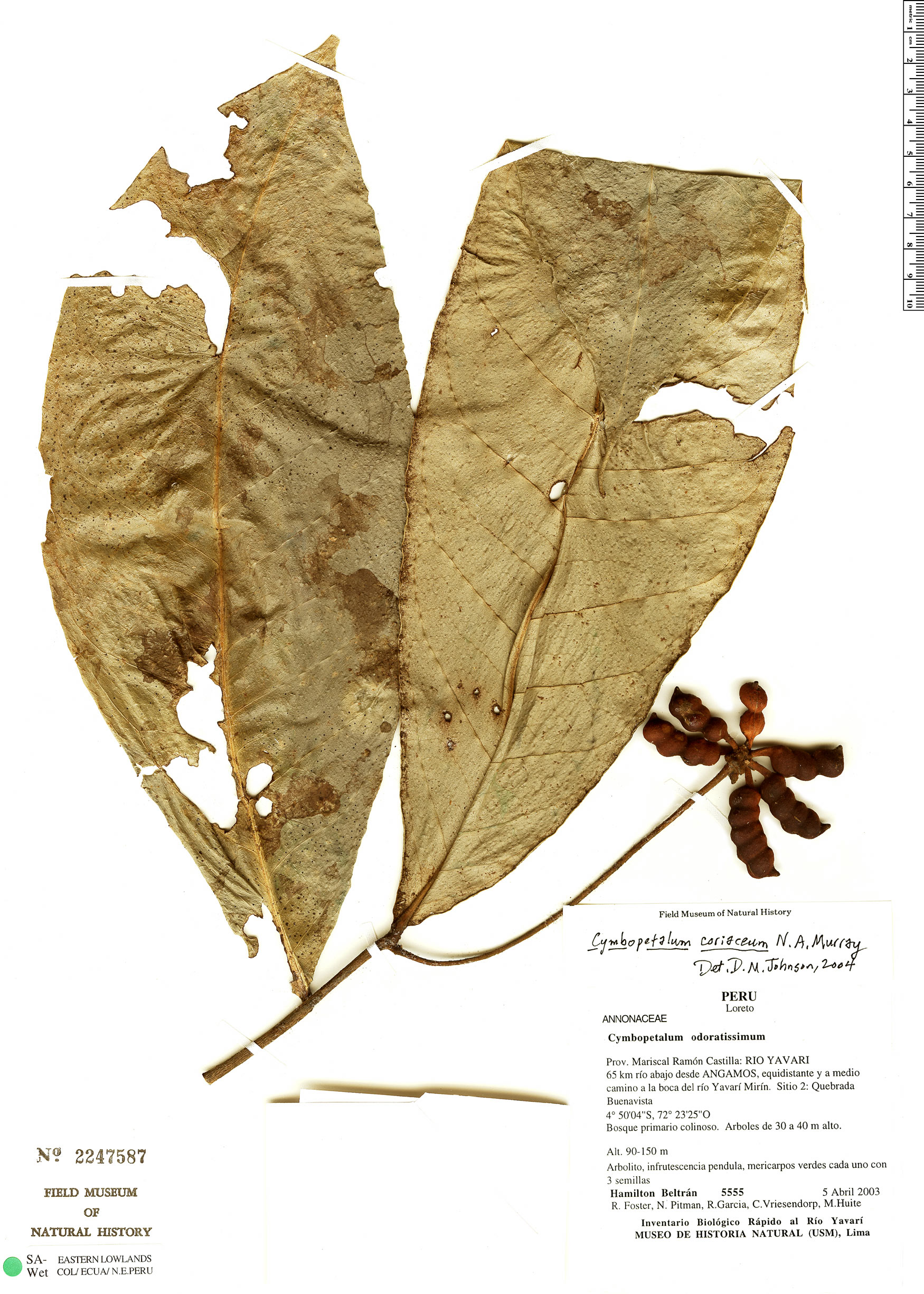
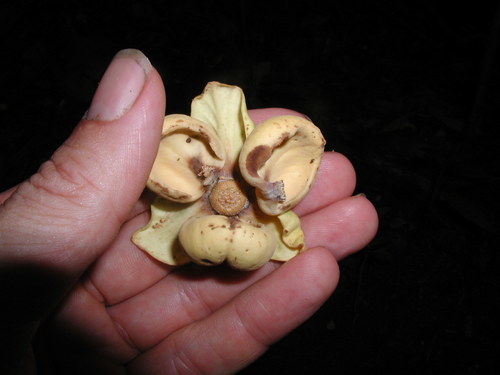
A large tree. Young branches have rusty coloured hairs. The leaves are oblong and 15-25 cm long by 7-9 cm wide. They have a short sharp tip. They are hairy underneath. The flowers are in the axils of leaves that have fallen. Flowers occur singly. The inner petals are pale yellow.
Medicinal Uses
Based on interviews with traditional healers in Peru extracts from the bark and leaves have been recorded as being used to treat rheumatism.
Distribution
It is a tropical plant.
Where It Grows
Amazon, Asia, Bangladesh, Bolivia*, Brazil, Colombia, Ecuador, Peru, South America,
Notes
Bark and leaves are used as medicine.
Synonyms
Also Known As
Bon khajur
References (1)
- Pasha, M. K. & Uddin, S. B., 2019, Minor Edible Fruits of Bangladesh. Bangladesh J. Plant Taxon. 26(2): 299–313 (As Uvaria ferruginea)