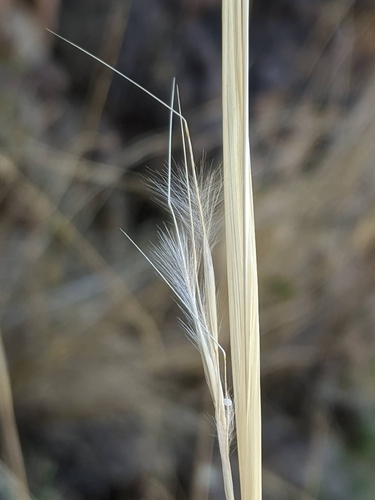
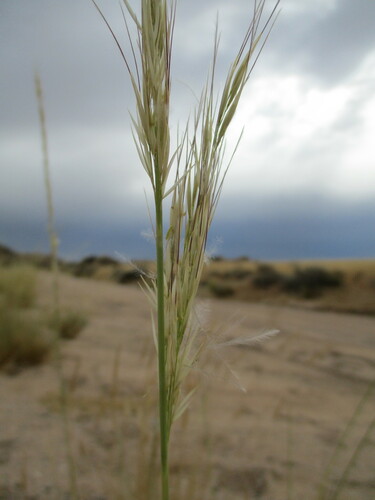
Digitaria milanjiana
(Rendle) Stapf
iNaturalist· cc0
no rights reserved, uploaded by Bat
Description
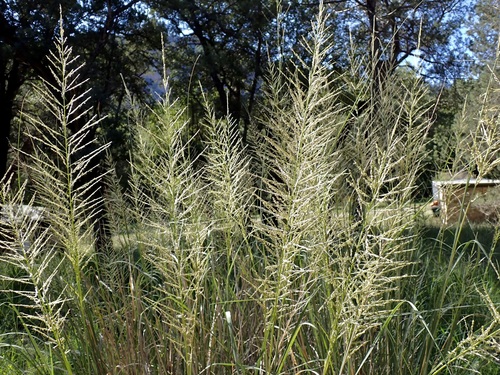
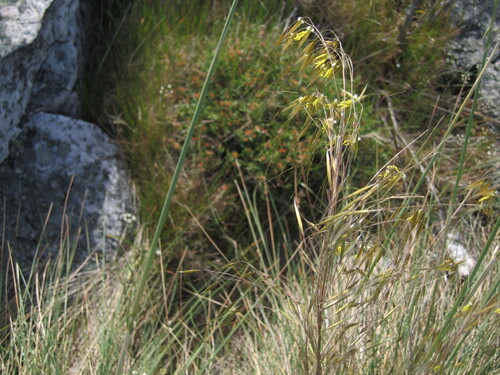
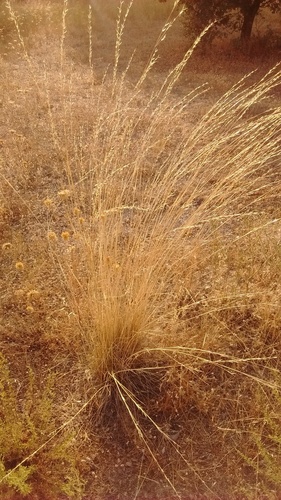
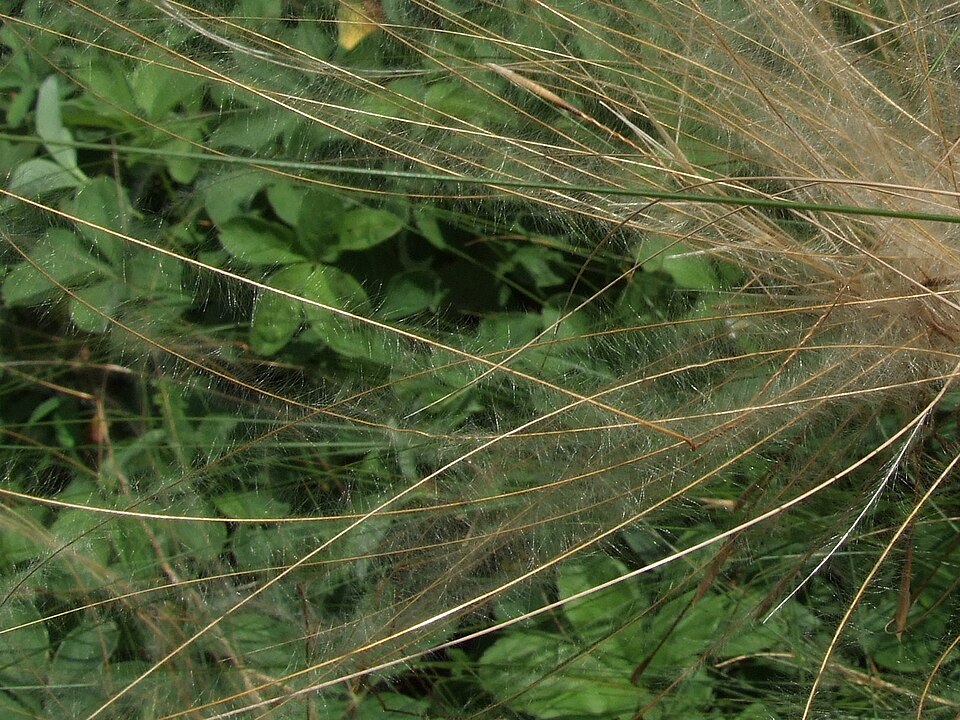
A grass in the Poaceae family found in temperate regions, with leaves 8–30 cm long by 0.3–1.2 cm wide. The seeds are harvested for food.
This description is brief — help expand it
Edible Uses
The seeds are cooked and eaten whole or ground into flour.
Traditional Uses
The seeds are cooked and eaten and also used for flour.
This uses section is brief — help expand it
Distribution
It is a temperate plant.
Where It Grows
Caucasus, Georgia,
Cultivation
A plant of the tropics and subtropics, where it is found at elevations up to 2,000 metres. It grows best in areas where annual daytime temperatures are within the range 22 - 28°c, but can tolerate 8 - 35°c. Top growth is killed by mild frost, but the plant will often survive and regrow from the base. It prefers a mean annual rainfall in the range 600 - 800mm, but tolerates 375 - 1,700mm and succeeds both in areas with a dry season and with all year rainfall. Requires a sunny position. Grows best in a fertile sandy or sandy loam soil, but succeeds in most soils that are well-drained, including those of low fertility. Established plants are very drought tolerant. Prefers a pH in the range 4.5 - 7, tolerating 4 - 8. Plants can flower after 79 - 96 days at a daylength of 14 hours and in 132 - 151 days at 11 hours. Plants are severely affected by fire. Dry matter yields may be between 5 - 25 tonnes per hectare.
Propagation
Seed - freshly harvested seed is dormant, with ecotypes from high rainfall areas having a short dormancy and ecotypes from low rainfall having an extended dormancy. Germination improves with 5 months or more of storage. Experimentally, dormancy can be broken by removing the palea and lemma from around the caryopsis.
Other Uses
The plant has proved to be useful when grown in banana plantations in tropical Australia, where it helps to control burrowing nematodes. It can be used as ground cover under crops, where it can help protect the soil from erosion.
Synonyms
Also Known As
Pet'vi, Phatvi
References (2)
- Bussman, R. W., et al, 2016, A comparative ethnobotany of Khevsureti, Samtskhe-Javakheti, Tusheti, Svaneti, and Racha-Lechkhumi, Republic of Georgia (Sakartvelo), Caucasus. Journal of Ethnobiology and Ethnomedicine. (As Panicum milanjianum)
- Bussman, R. W., et al, 2021, Unity in diversity—food plants and fungi of Sakartvelo (Republic of Georgia), Caucasus. Journal of Ethnobiology and Ethnomedicine (2021) 17:72 p 12