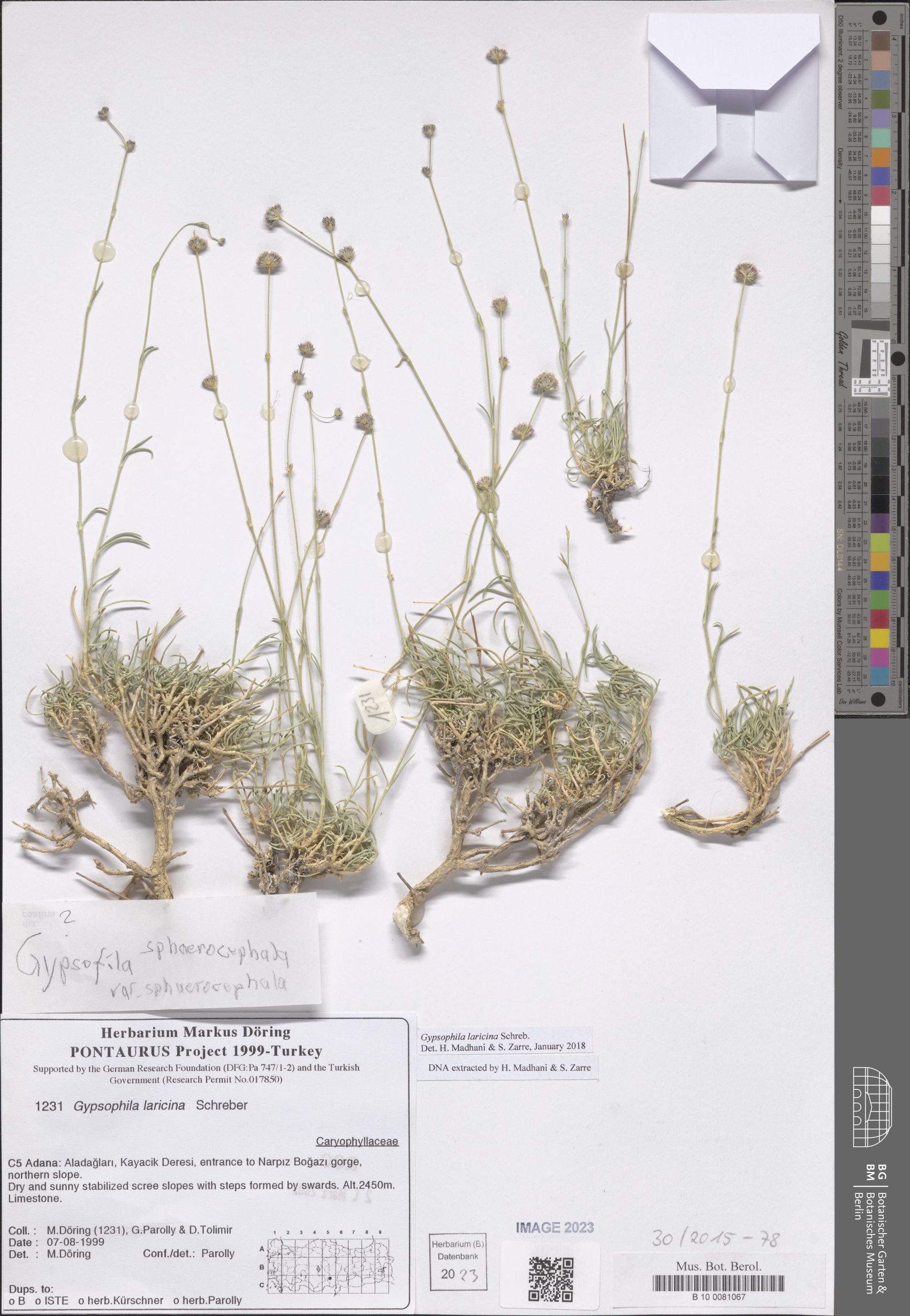
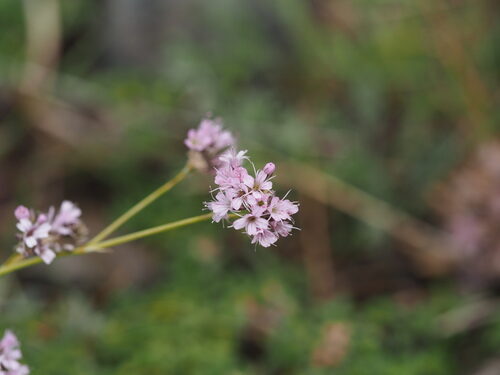
Herniaria hirsuta subsp. cinerea
(DC.) Cout.
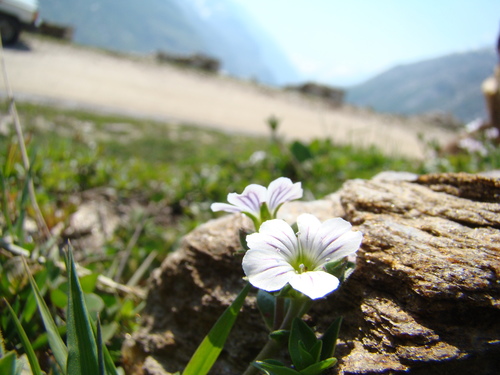
iNaturalist· cc-by-nc
(c) Sebastian J. Dunkl, some rights reserved (CC BY-NC), uploaded by Sebastian J. Dunkl
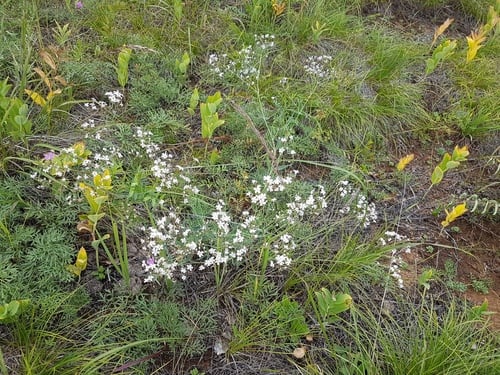
iNaturalist· cc-by-nc
(c) Jan Doležal, some rights reserved (CC BY-NC)
Summary
Source: WikipediaHerniaria hirsuta is a species of flowering plant in the family Caryophyllaceae known by the common name hairy rupturewort. It is native to Eurasia and North Africa, and it is known on other continents, including North America, as an introduced species. This is an annual herb with stems up to 20 cm (8 in) long usually growing prostrate along the ground. The small, fuzzy, pale green leaves are up to about a centimeter long and coat the stems. The inflorescences appear in the leaf axils. Each contains three to eight hairy green sepals and no petals. The fruit is a tiny bumpy utricle containing one seed. This plant is used in Morocco as an herbal remedy for kidney stones.
Description
A herb. It grows each year from seed. It is yellowish green and lies along the ground. The leaves are opposite and do not have leaf stalks. The leaves are 4-10 mm long by 1.5-2 mm wide.
Edible Uses
The dried roots are used as a spice, and the leaves are used with tea.
Traditional Uses
The roots are dried and used as a spice. The leaves are used with tea.
This uses section is brief — help expand it
Distribution
It is a Mediterranean climate plant.
Where It Grows
Africa, Europe, Mediterranean, Morocco, North Africa, Pakistan, Spain,
Synonyms
Also Known As
Arenaria, Hrrast lahjar
References (2)
- Ghanimi, R., et al, 2022, Ethnobotanical study on wild edible plants traditionally used by Messiwa people, Morocco. Journal of Ethnobiology and Ethnomedicine. 18:16
- Tbatou, M, et al, 2016, Wild Edible Plants traditionally used in the countryside of El Jadida, Coastal Area in the Center of Morocco. Life Sciences Leaflets 75:28-48 (As Herniaria cinerea)