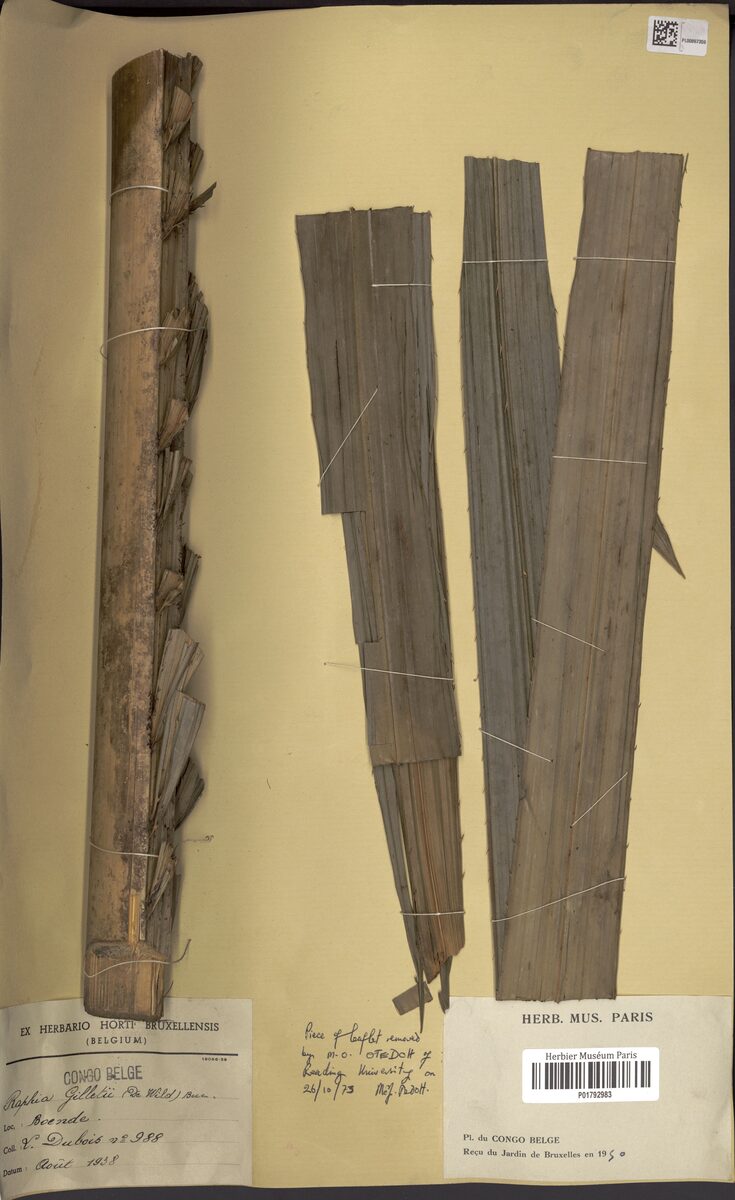
Clinostigma onchorhynchum
Becc.
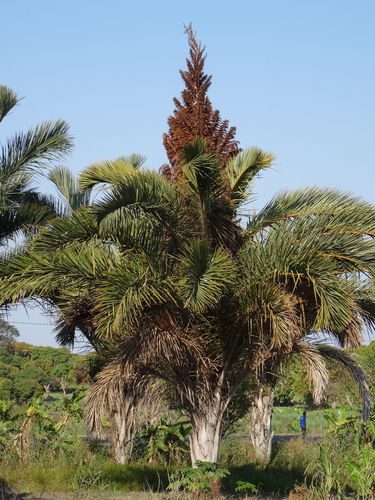
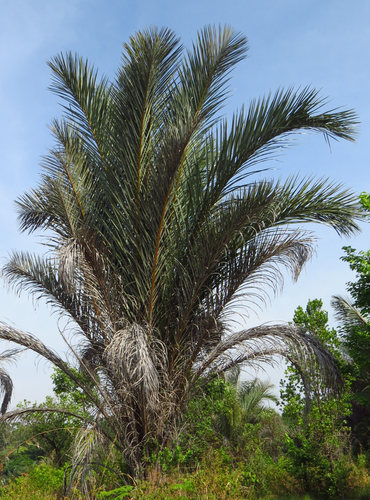
Lowland forest palm
gbif· cc-by
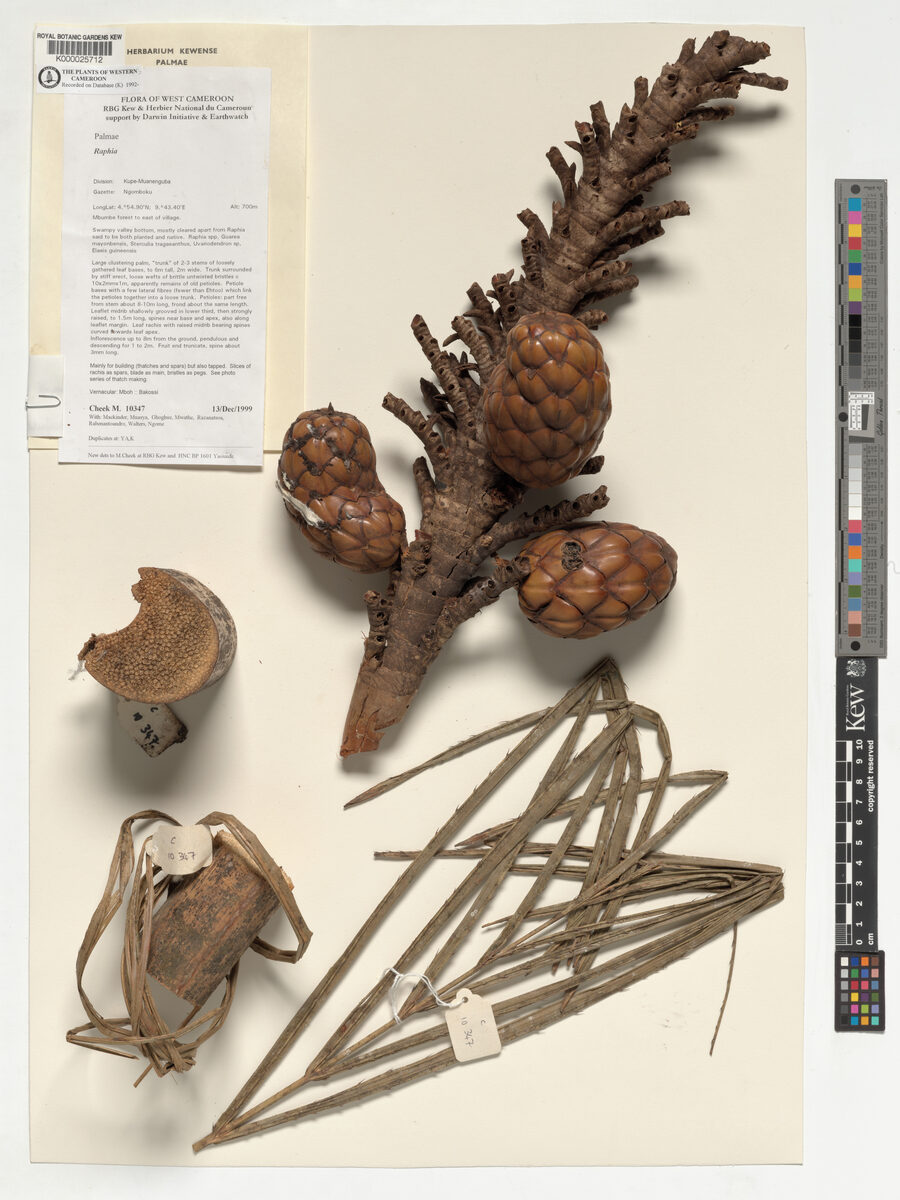
The New York Botanical Garden
gbif· cc-by-nc
University of Cincinnati, Margaret H. Fulford Herbarium - Vascular Plants (CINC)
gbif· cc-by
Royal Botanic Gardens, Kew
Description
A palm. It is tall and has a single stem. It is 10-15 m tall. The fronds are curved. They are 60-70 cm long by 15-20 cm wide. The ripe fruit are black. Possibly now Clinostigma samoense
Edible Uses
Fruit. The apical bud is eaten. Eating this bud will lead to the eventual death of the tree since it is unable to produce side branches.
Traditional Uses
Eating the growing tip would kill the palm.
This uses section is brief — help expand it
Known Hazards
Harvesting the growing tip kills the palm.
Distribution
It is a tropical plant. In Samoa it grows from 200-700 m above sea level.
Where It Grows
Pacific, Samoa,
Cultivation
A plant of the humid tropics.
Other Uses
The leaves are used for thatching. The flexible wood is used for the construction of roofs. The stem wood is split into rods and used for attaching thatch.
Synonyms
References (2)
- CRC World Dictionary of Palms: Common Names, Scientific Names, Eponyms ...
- Parham, B. E. V., 1972, Plants of Samoa. New Zealand Department of Scientific and Industrial Research. Information Series. No. 85 p 91