Plectocomia assamica
Griff.
gbif· cc-by
Royal Botanic Gardens, Kew
gbif· cc-by
Royal Botanic Gardens, Kew
gbif· cc-by
The New York Botanical Garden
Description
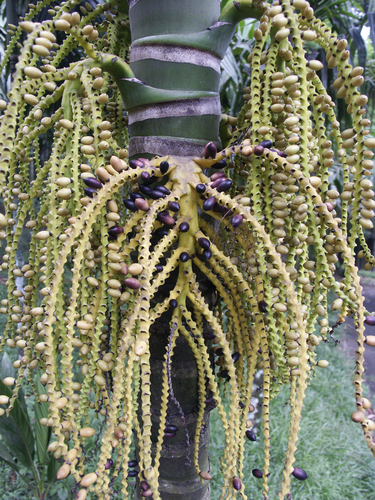
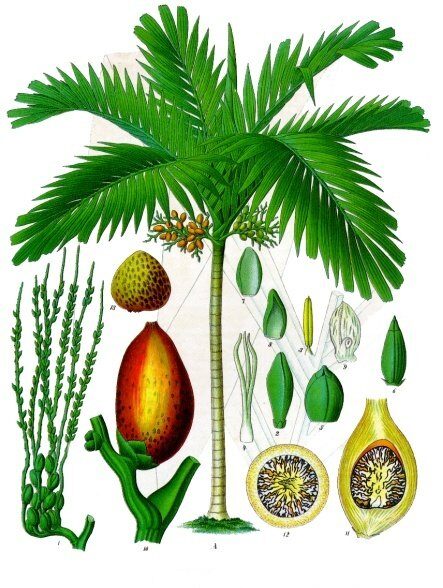
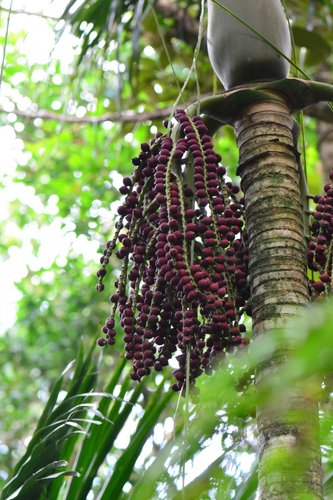
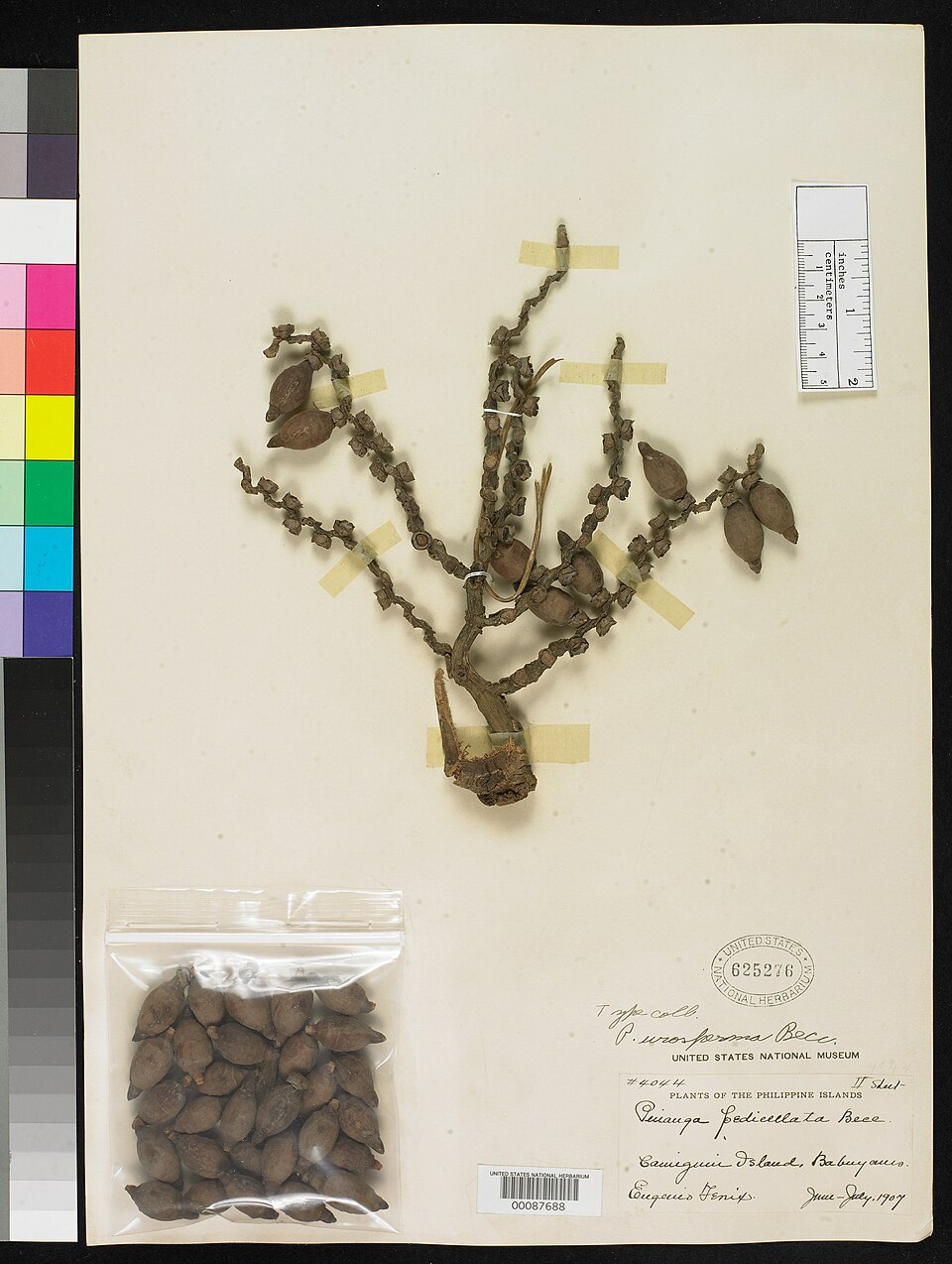
A palm (Arecaceae) found in subtropical regions that produces sweet fruit sold in local markets.
This description is brief — help expand it
Edible Uses
The fruit are eaten fresh.
Traditional Uses
The fruit are eaten.
This uses section is brief — help expand it
Distribution
It is a subtropical plant.
Where It Grows
Asia, India, Northeastern India,
Cultivation
A dioecious species, both male and female forms need to be grown if fruit and seed are required. A monocarpic species, it can grow for many years without flowering, then flowers prolifically before setting seed and dying. The plant often forms buds near the base of the stem - these basal buds can sometimes come into growth and produce a new plant after the main stem has flowered and died.
Other Uses
The long canes are traditionally for making hanging bridges over mountain streams and rivulets. The stems are sometimes used in furniture making. The stems are very thick but are not flexible as in other rattans, and remain stiff and erect.
Other Information
Fruit are sold in local markets.
Also Known As
Heart, Jui chi
References (1)
- Medhi, P. & Borthakur, S. K., 2013, Wild edible plants sold by the Zeme Nagas at the makeshift market of Mahur, Dima Hasao district of Assam. Pleione 7(1): 84 - 93. 2013