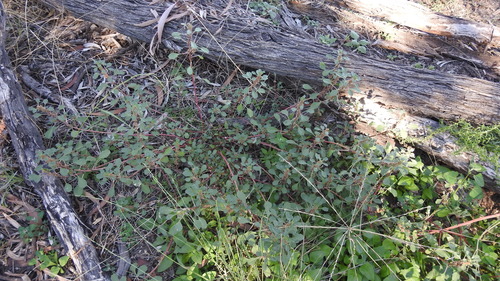
Soda inermis
Fourr.
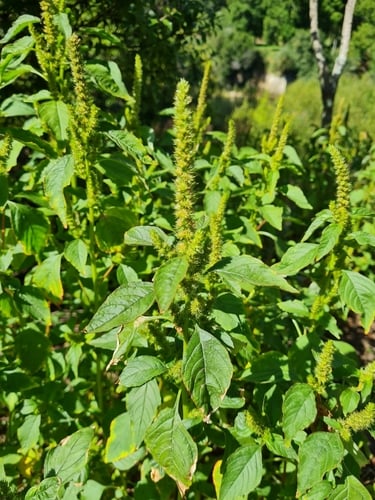
iNaturalist· cc-by-nc
(c) fabio1960, some rights reserved (CC BY-NC)
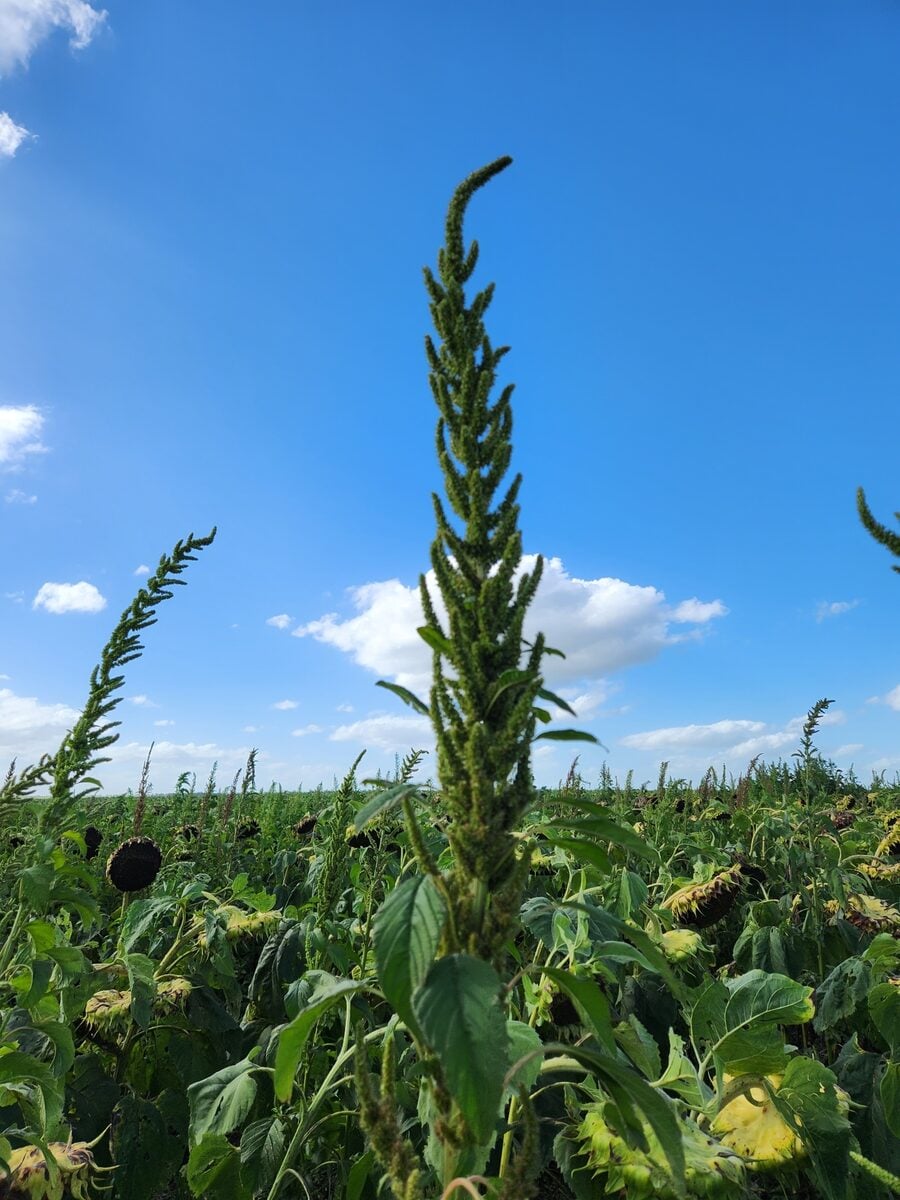
iNaturalist· cc-by-nc
(c) Bertrand M, some rights reserved (CC BY-NC)
Summary
Source: WikipediaSoda inermis, the opposite-leaved saltwort, oppositeleaf Russian thistle, or barilla plant, is a small (to 0.7 m tall), annual, succulent shrub that is native to the Mediterranean Basin. It is a halophyte (a salt-tolerant plant) that typically grows in coastal regions and can be irrigated with salt water. The plant was previously classified as Salsola soda, now regarded as a synonym. The plant has great historical importance as a source of soda ash, which was extracted from the ashes of Salsola soda and other saltwort plants. Soda ash is one of the alkali substances that are crucial in glassmaking and soapmaking. The famed clarity of 16th-century cristallo glass from Murano and Venice depended upon the purity of "Levantine soda ash", and the nature of this ingredient was kept secret. Spain had an enormous 18th-century industry that produced soda ash from the saltworts (barrilla in Spanish). Soda ash is now known to be predominantly sodium carbonate. In 1807, Sir Humphry Davy isolated a metallic element from caustic soda; he named the new element "sodium" to indicate its relationship to "soda". Before "soda" was somewhat synonymous (in U.S. English) with soft drinks, the word referred to Salsola soda and other saltwort plants, and to soda ash. While the era of farming for soda ash is long past, S. soda is still cultivated as a vegetable that enjoys considerable popularity in Greece, Italy and with gourmets around the world. In Greek it is called almyra, while in Italian its common names include barba di frate, agretti, and liscari sativa (short: lischi or lischeri). Of its culinary value, Frances Mayes has written that "Spinach is the closest taste, but while agretti has the mineral sharpness of spinach, it tastes livelier, full of the energy of spring."
Description
A herb.
This description is brief — help expand it
Edible Uses
The Italian name agretti is commonly used in English to refer to the edible leaves of S. soda; barba di frate (or friar's beard) is the most common of the Italian names. This plant is not a summer green and should be started early indoors or in autumn. The seed is notorious for poor germination at about 30 to 40% standard, much like rosemary. Though the plant is often grown in saltwater-irrigated land in the Mediterranean Basin, it will grow without salt water. S. soda is harvested in bunches when small, or cropped regularly to encourage new growth when mature. It is most commonly boiled and eaten as a leafy vegetable; the recommendation is to cook it in boiling water until the leaves soften, and to serve while some bite (crunch) remains (much like samphire). It can also be eaten raw; it is said to taste "grassy and slightly salty with a pleasant, crunchy texture". Salsola soda is sometimes confused with a plant known in Japan as okahijiki (land seaweed), which is actually the species S. komarovii. The harvested leaves of the two species have a similar appearance.
Traditional Uses
The young leaves are boiled and dressed with vinegar and olive oil.
This uses section is brief — help expand it
Distribution
It is a Mediterranean climate plant.
Where It Grows
Europe, Italy, Mediterranean,
Notes
The name is ambiguous.
References (1)
- Biscotti, N. et al, 2018, The traditional food use of wild vegetables in Apulia (Italy) in the light of Italian ethnobotanical literature. Italian Botanist 5:1-24