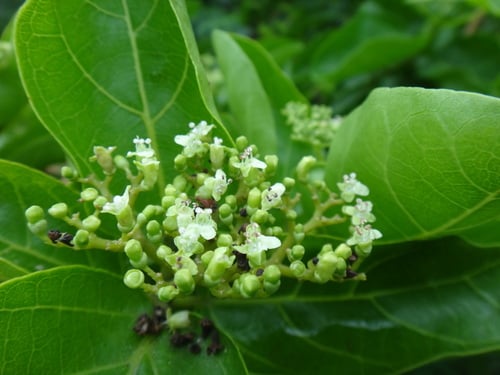
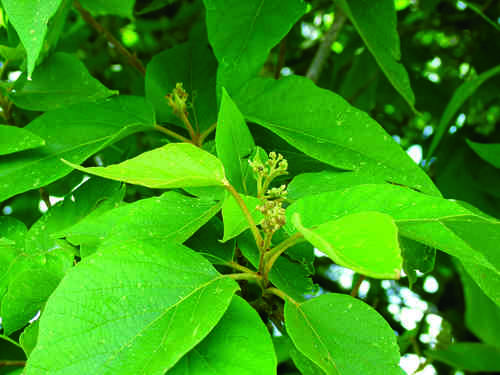
Sideritis syriaca subsp. nusairiensis
(Post) Hub.-Mor.
iNaturalist· cc-by-nc
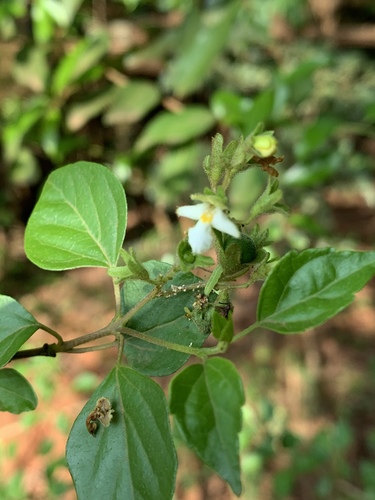
(c) fotis-samaritakis, some rights reserved (CC BY-NC), uploaded by fotis-samaritakis
iNaturalist· cc-by-nc
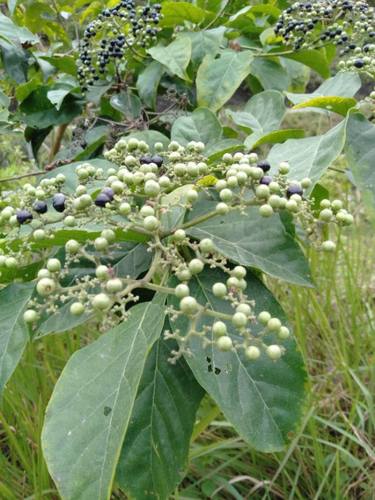
(c) fotis-samaritakis, some rights reserved (CC BY-NC), uploaded by fotis-samaritakis
iNaturalist· cc-by-nc
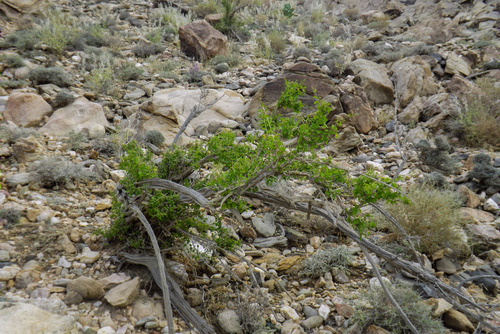
(c) Humam Ghanim, some rights reserved (CC BY-NC), uploaded by Humam Ghanim
Summary
Source: WikipediaSideritis syriaca, commonly known as ironwort, is a species of perennial flowering plant native to Crete, Turkey, and Syria in the eastern Mediterranean. It grows at high elevations in the mountains. It is commonly found on wet grounds, on the high pastures, above 1,500 metres (4,900 ft). It is similar to chamomile and used in the Balkans (where it is known as "mountain tea") to make a tisane. In Bulgaria, Sideritis syriaca is a critically endangered species inscribed in the Red Data Book of the Republic of Bulgaria. It's only found in the wild in the Malko Tarnovo area of Strandzha Nature Park, but it's also cultivated locally elsewhere in Strandzha. The Bulgarian Strandzha herbal tea (Странджански билков чай, Strandzhanski bilkov chay) made of dried Sideritis has protected designation of origin status in the EU.
Description
Sideritis syriaca subsp. nusairiensis is a temperate herb in the Lamiaceae family with edible leaves.
This description is brief — help expand it
Edible Uses
The leaves are eaten.
Distribution
It is a temperate plant.
Where It Grows
Lebanon, Syria, Turkey, Türkiye,
Synonyms
Also Known As
Amanos cayi
References (1)
- Ertug, F, Yenen Bitkiler. Resimli Türkiye Florası -I- Flora of Turkey - Ethnobotany supplement