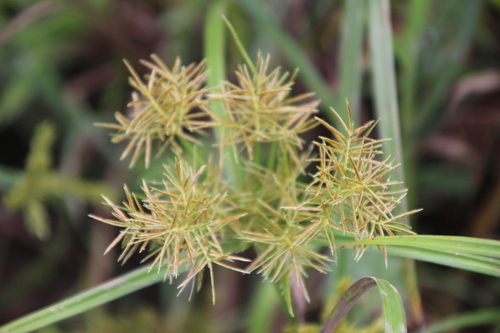
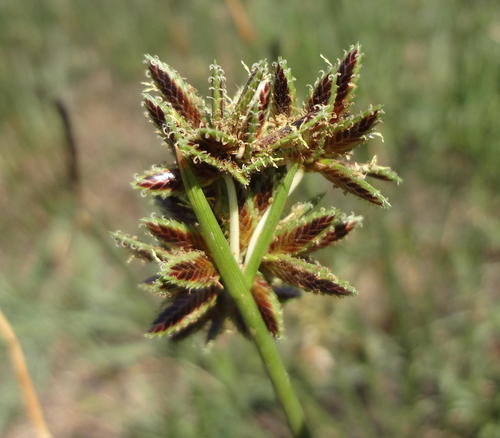
Cyperus alopecuroides
Rottb.
Mat sedge
iNaturalist· cc-by-nc
(c) Tony Benn, some rights reserved (CC BY-NC), uploaded by Tony Benn
iNaturalist· cc-by-nc
(c) James K. Wetterer, some rights reserved (CC BY-NC)
Summary
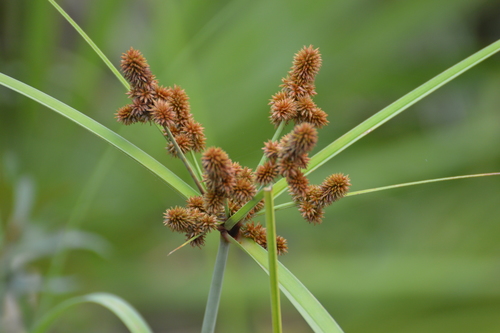
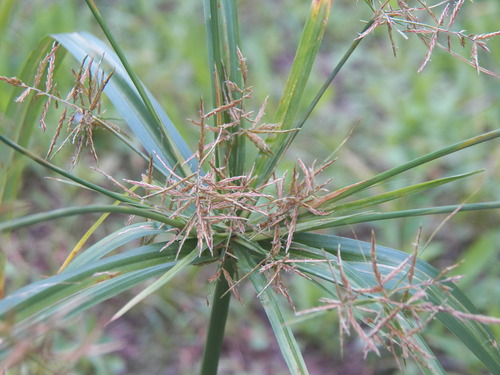
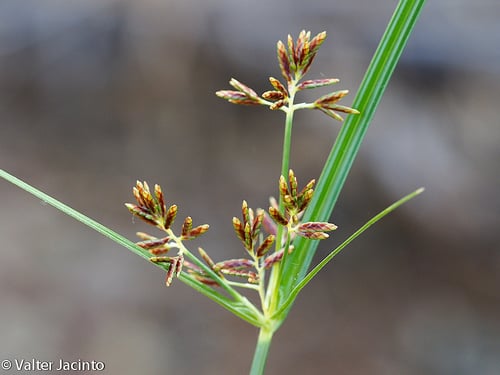
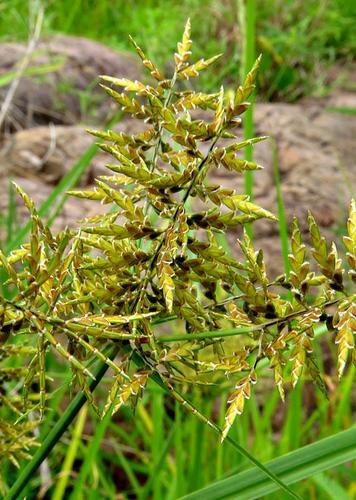
Source: WikipediaCyperus alopecuroides, commonly known as the foxtail flatsedge, is a sedge of the family Cyperaceae that is native to parts of Africa, Asia and Australia.
Description
A temperate sedge in the Cyperaceae family, cultivated for its edible tubers, roots, and bulbs.
This description is brief — help expand it
Edible Uses
We have no specific information for this species, but it is said that the inner base of the young stems of all species in this genus can be eaten raw, and make an excellent survival food in times of need.
Medicinal Uses
The leaves are considered to be antibiotic and its pastes are applied externally in the treatment of cutaneous affections.
Distribution
It is a temperate plant.
Where It Grows
Africa, Europe, North America, South Africa, Turkey, Türkiye, USA,
Cultivation
Requires a moist to wet soil. Tolerant of saline soils.
Propagation
Seed - Division.
Other Uses
The stems are used for weaving mats. The mats have various uses, including as a packing material for transporting plates made from leaves. The culms are used for matting and rush-bottomed chairs. The inflorescence stalk and leaves are used to make mats that are used in Hindu marriage and thread ceremonies. The dried leaves and stems are used for thatching houses and sheds. :The plant is used in Egypt in projects for the reclamation of saline land.
Other Information
It is cultivated.
Synonyms
Also Known As
Gecebiten
References (2)
- Ertug, F, Yenen Bitkiler. Resimli Türkiye Florası -I- Flora of Turkey - Ethnobotany supplement (As Cyperus glomeratus)
- Zeven, A. C. & de West, J. M. J., 1982, Dictionary of cultivated plants and their regions of diversity. Wageningen. p 108