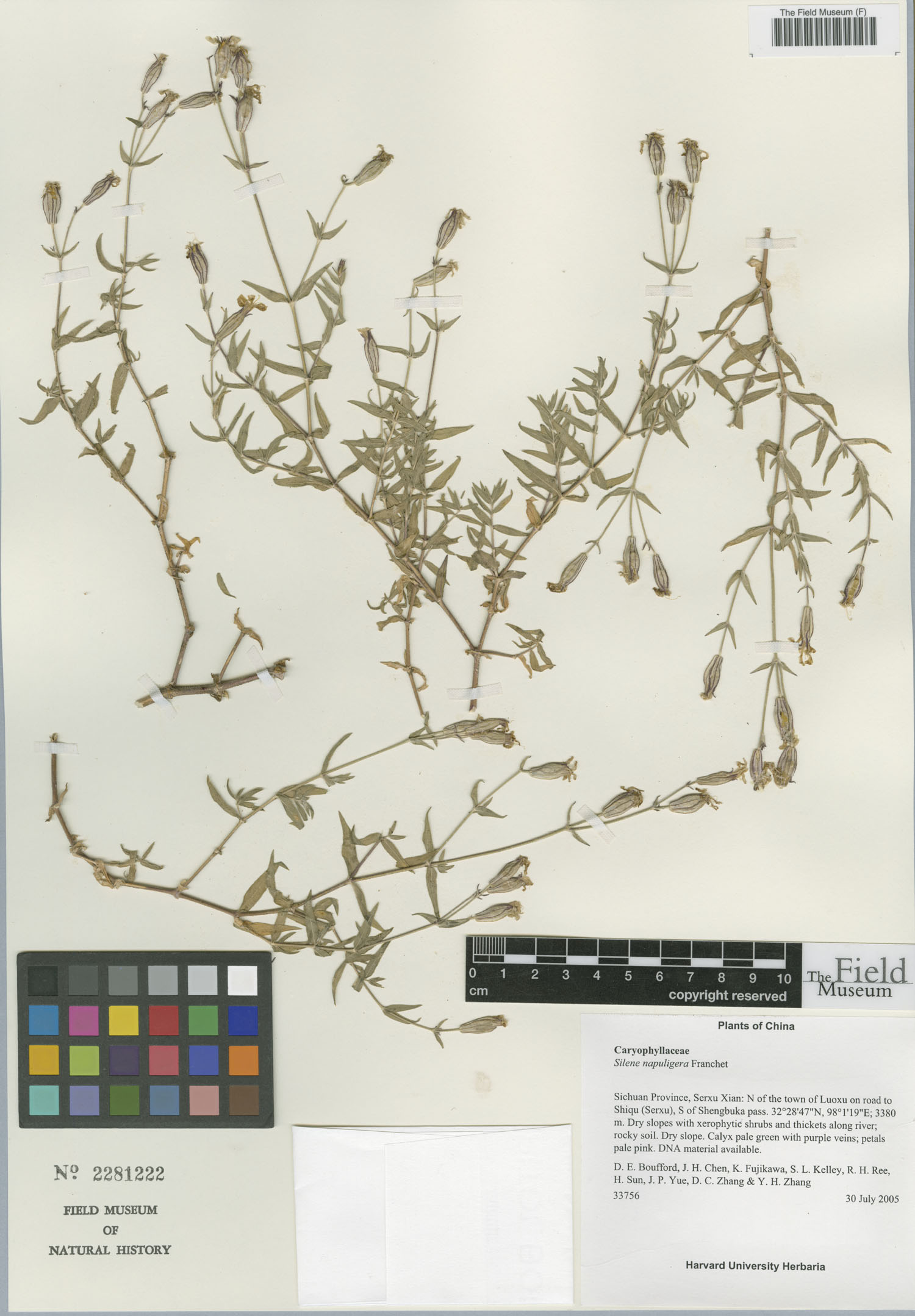
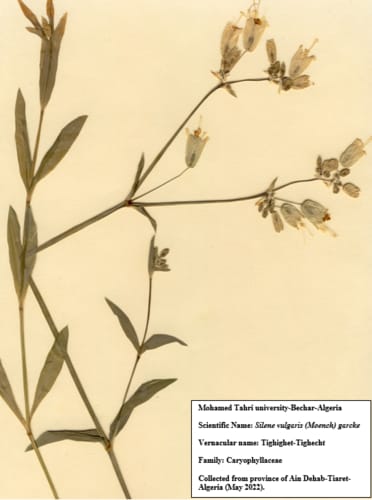
Gypsophila arrostii
Guss.
iNaturalist· cc-by-nc
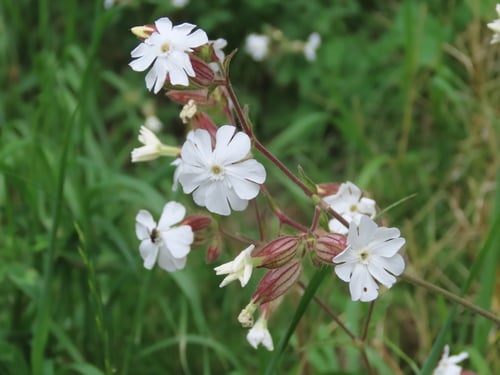
(c) Luciano Arcorace, some rights reserved (CC BY-NC), uploaded by Luciano Arcorace
iNaturalist· cc-by-nc
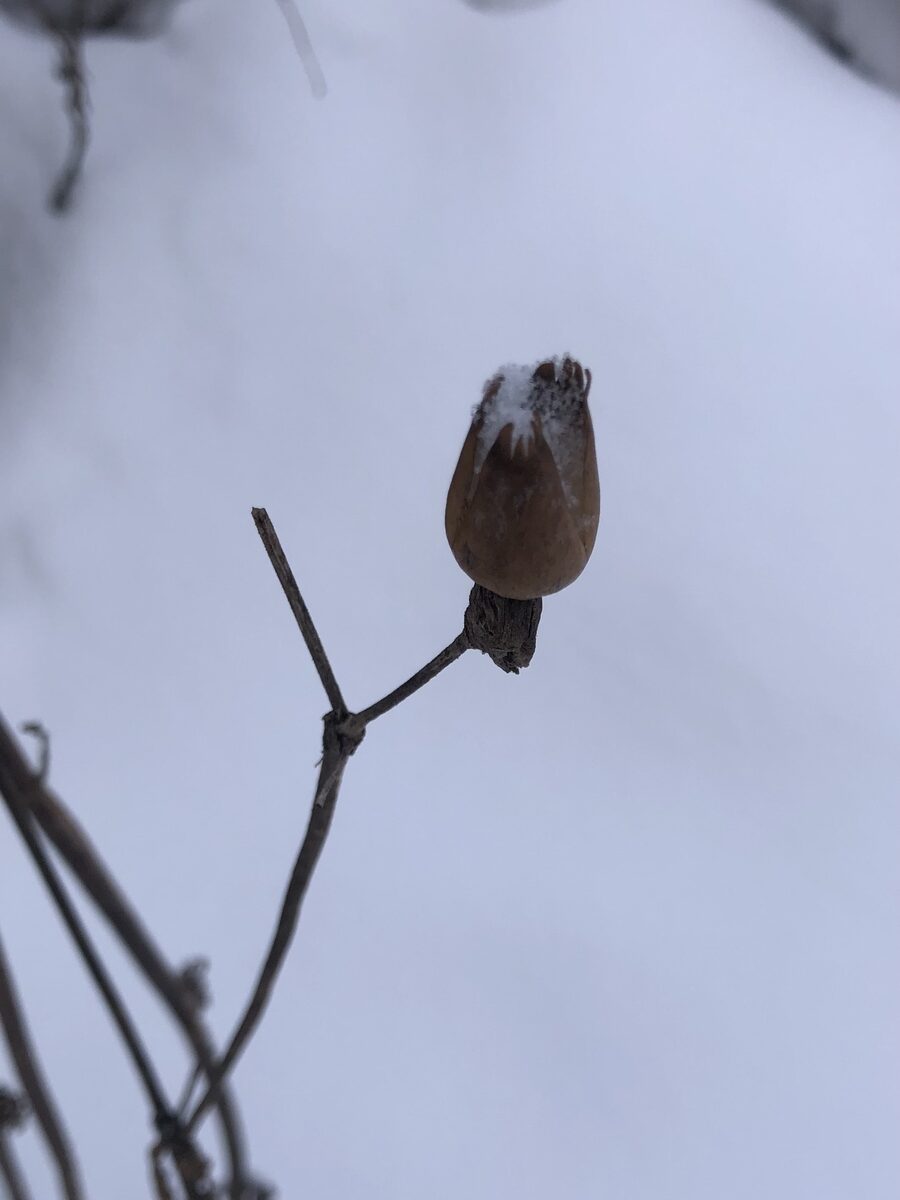
(c) wormsy, some rights reserved (CC BY-NC)
Summary
A hermaphroditic, self-fertile perennial growing to 1 meter at a medium rate. Hardy to UK zone 8. Tolerates light, medium, or heavy soils with good drainage and adapts to very alkaline pH. Requires full sun and accommodates either dry or moist soil.
Description
A hermaphroditic, self-fertile perennial growing to 1 meter at a medium rate. Hardy to UK zone 8. Tolerates light, medium, or heavy soils with good drainage and adapts to very alkaline pH. Requires full sun and accommodates either dry or moist soil.
Edible Uses
No edible uses are known for this plant.
Medicinal Uses
Used as a diaphoretic and diuretic, and applied to skin conditions.
Known Hazards
Although no mention has been seen for this species, at least one member of this genus has a root that is rich in saponins. Although toxic, these substances are very poorly absorbed by the body and so tend to pass through without causing harm. They are also broken down by heat so a long slow baking can destroy them. Saponins are found in many plants, including several that are often used for food, such as certain beans. It is advisable not to eat large quantities of food that contain saponins. Saponins are much more toxic to some creatures, such as fish, and hunting tribes have traditionally put large quantities of them in streams, lakes etc in order to stupefy or kill the fish.
Distribution
It is a temperate plant.
Where It Grows
Europe, Turkey, Türkiye,
Cultivation
We have very little information on this species and do not know if it will be hardy in this country. There is also some doubt over the name. gives the author of the Latin name as Linnaeus, whilst says that it is Guss. Requires a well-drained soil in full sun. Lime tolerant, it grows well in dry soil. Gypsophila arrostii is generally considered to be self-fertile, allowing it to produce seeds without the need for cross-pollination. Flowers can be harvested in late spring to early summer when they are in full bloom. The plant flowers from late spring to early summer. Gypsophila arrostii is relatively slow to establish but can grow moderately well once established. It typically takes a couple of years to reach full size.
Propagation
Seed is best sown in a greenhouse in spring. Prick seedlings out into individual pots once large enough to handle, and plant out into permanent positions in summer if growth allows. If plants are too small, overwinter them in the greenhouse and plant out in late spring or early summer the following year. Divide clumps in spring or autumn — larger clumps can go straight into permanent positions, while smaller ones are best potted up and grown on in a cold frame until well rooted, then planted out in spring. Basal cuttings can be taken before flowering: harvest shoots around 10cm long with plenty of underground stem, pot individually, and keep in light shade in a cold frame or greenhouse until well rooted, then plant out in summer. Root cuttings are also an option.
Other Uses
Gypsophila arrostii can serve as a decorative ground cover in agroforestry systems. Its flowers produce nectar and pollen that attract beneficial pollinators, which can enhance the productivity of nearby crops. The plant's foliage and leaf litter can also provide some shelter for invertebrates, though it is not a significant food source for wildlife and is not particularly noted for emitting pest-confusing scents.
Synonyms
Also Known As
çöven
References (1)
- Ertug, F, Yenen Bitkiler. Resimli Türkiye Florası -I- Flora of Turkey - Ethnobotany supplement