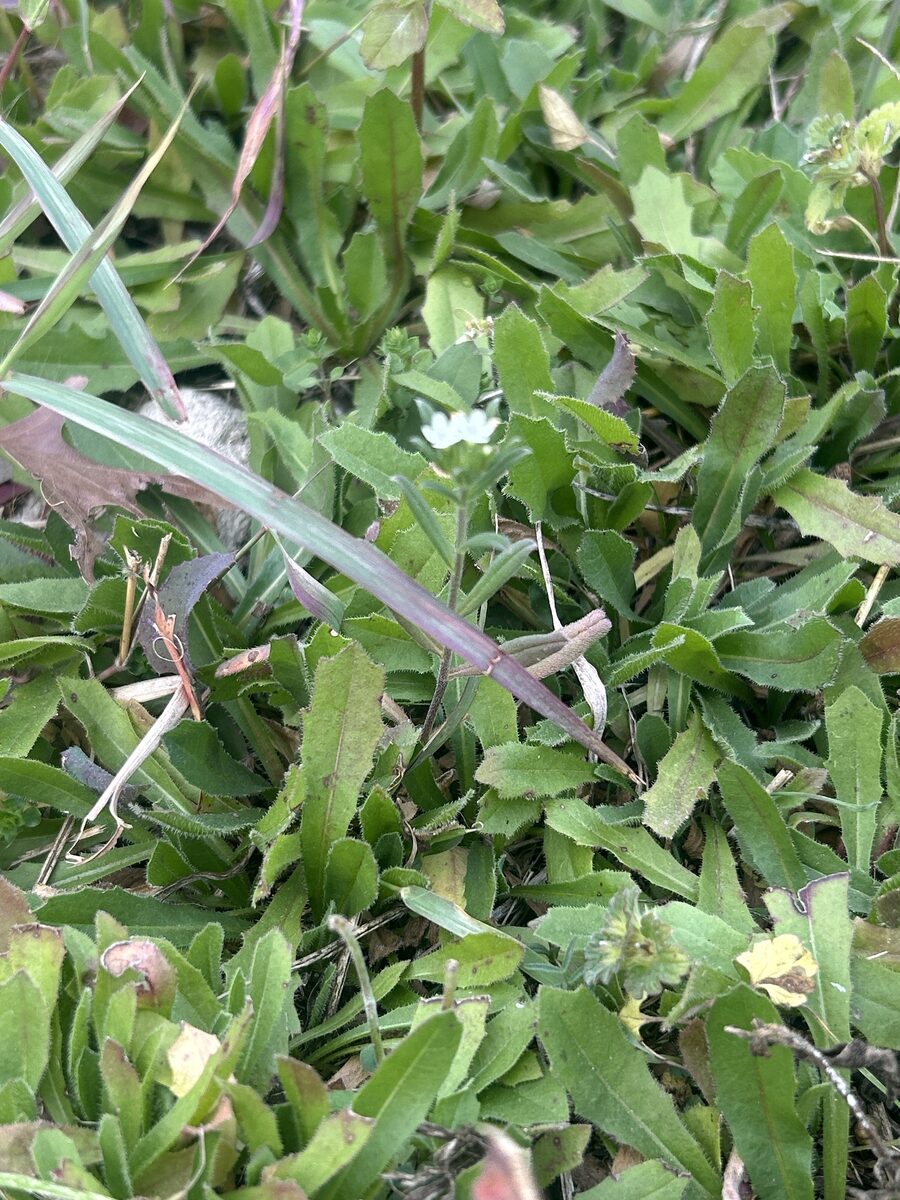
Alkanna tinctoria
(L.) Tausch
Alkanna
iNaturalist· cc-by-sa
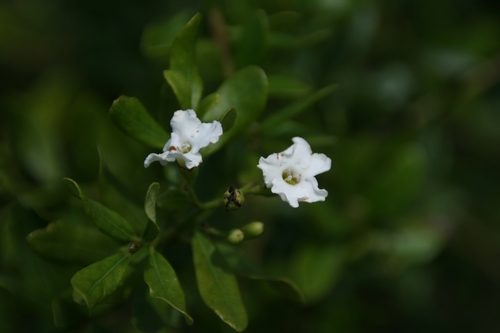
(c) Zachi Evenor, some rights reserved (CC BY-SA)
iNaturalist· cc-by-nc
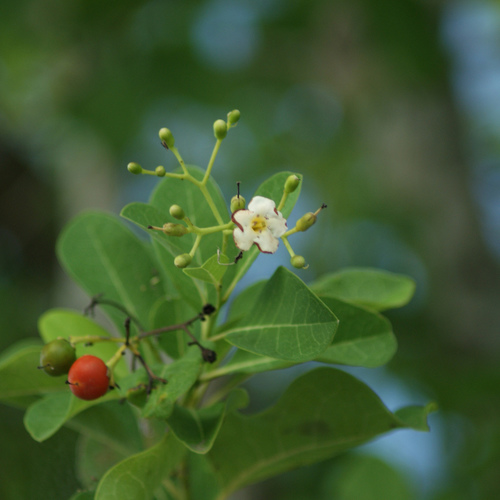
(c) Yael Orgad, some rights reserved (CC BY-NC), uploaded by Yael Orgad
iNaturalist· cc-by-nc
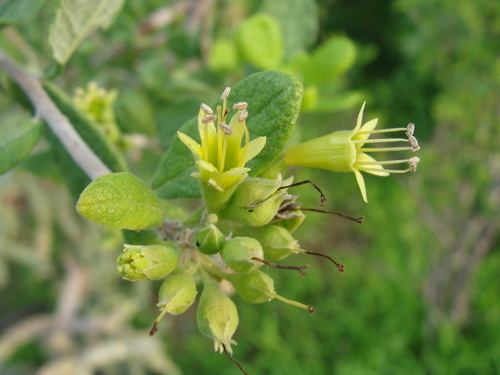
(c) Thanasis Papanikolaou, some rights reserved (CC BY-NC)
Summary
Source: WikipediaAlkanna tinctoria, the dyer's alkanet or simply alkanet, is a herbaceous flowering plant in the borage family Boraginaceae. Its roots are used to produce a red dye. The plant is also known as dyers' bugloss, orchanet, Spanish bugloss, or Languedoc bugloss. It is native to the Mediterranean region.
Description
A perennial reaching 20 cm tall and 30 cm wide, flowering in June with hermaphroditic flowers. Prefers well-drained sandy or loamy soil with neutral to mildly alkaline pH. Can grow in semi-shade or full sun and tolerates dry conditions and drought. Hardy enough for maritime exposure.
Edible Uses
The leaves can be used as a vegetable, though no further preparation details are recorded. A red dye extracted from the roots is also used as a food colouring.
Medicinal Uses
The root is antibacterial, antipruritic, astringent, and vulnerary. Externally, it is used to treat varicose veins, indolent ulcers, bed sores, and itching rashes. Internally, it is taken to treat cough and bronchial catarrh (see known hazards). It is also used for skin wounds and diarrhoea. The root is harvested in autumn and can be dried for later use. All parts of the plant are demulcent and expectorant.
Distribution
It is a temperate and Mediterranean climate plant.
Where It Grows
Albania, Europe, Turkey, Türkiye,
Propagation
Seed – sow in spring in a cold frame. Prick seedlings into individual pots when large enough to handle and plant out in summer. Division in spring is fairly straightforward and divisions can be planted directly into permanent positions if needed. Basal cuttings of new growth can be taken in late spring; harvest shoots when 10–15cm long, pot individually in a lightly shaded greenhouse, and they should root within a few weeks for planting out in summer. Root cuttings can be taken in late winter.
Other Uses
A red dye obtained from the roots is used by pharmacists, in perfumes, and to stain wood or marble. Applied to wood, it can produce the appearance of rosewood or mahogany. The dye is also used in thermometers and as a litmus indicator for testing acids and alkalis.
Synonyms
References (2)
- Ertug, F, Yenen Bitkiler. Resimli Türkiye Florası -I- Flora of Turkey - Ethnobotany supplement
- Zeven, A. C. & de West, J. M. J., 1982, Dictionary of cultivated plants and their regions of diversity. Wageningen. p 104