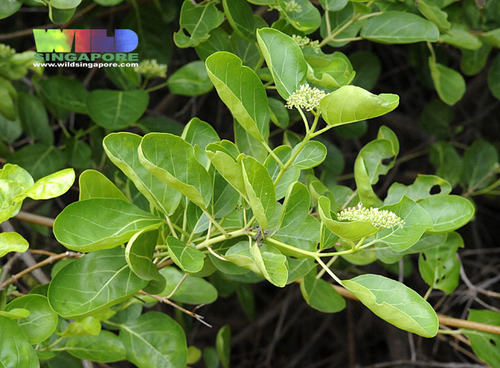
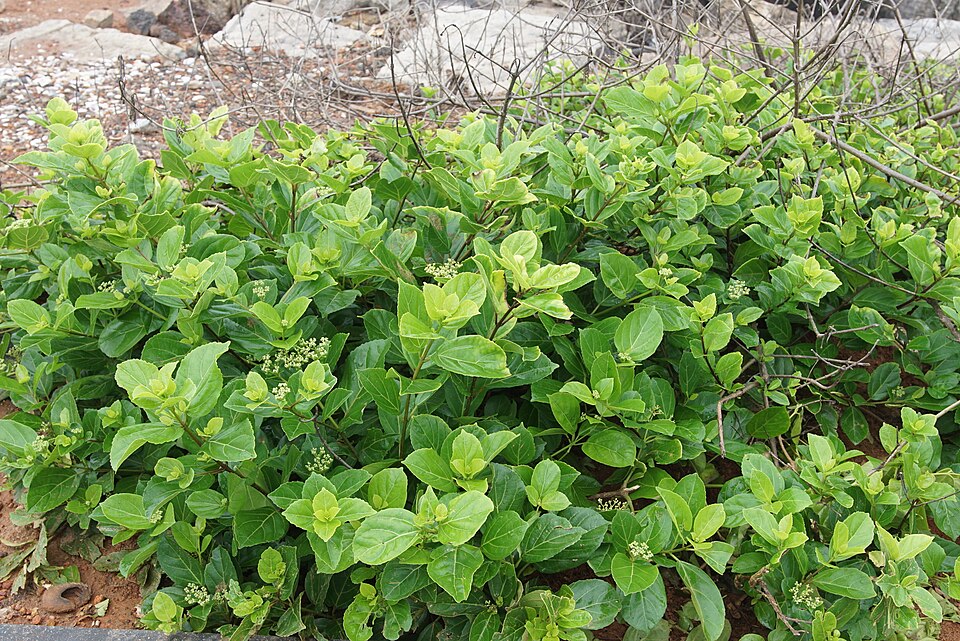
Plectranthus madagascariensis
(Pers.) Benth.
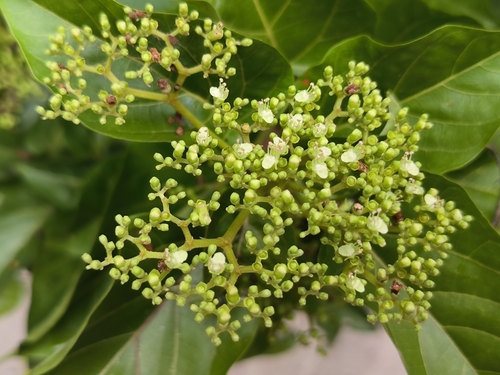
iNaturalist· cc-by-nc
(c) c2bt-ninawest, some rights reserved (CC BY-NC)
iNaturalist· cc-by-nc
(c) Tinus Oberholzer, some rights reserved (CC BY-NC)
iNaturalist· cc-by-nc
(c) Tinus Oberholzer, some rights reserved (CC BY-NC)
Description
A herb. It is somewhat succulent. The stems lie along the ground and are 1 m long. They can be hairy.
This description is brief — help expand it
Edible Uses
The roots and tubers are eaten.
Medicinal Uses
It has been used in traditional medicine to treat coughs, colds and scabies. The pungent leaves and branches are sometimes hung in homes or rubbed on window sills to repel flies.
Distribution
It is a subtropical plant. It grows in dry woodlands.
Where It Grows
Africa, Eswatini, Madagascar, Mozambique, South Africa, Southern Africa, Swaziland,
Cultivation
The plant is grown as an ornamental, thee are some named varieties.
Propagation
Seed - sow in well-drained soil, covering lightly with a thin layer of sand, and place in a warm but shaded spot. The seed germinates in about three weeks. Cuttings of Plectranthus species generally root easily - soft tips root faster than semi-hardwood growth. The cuttings are best taken 60 - 100mm long with three or four nodes, making the cut just below a node. Place them in sand, perlite, vermiculite or peat, or any mixture of these, keep them moist and shaded and they should root in 2 - 3 weeks
Other Uses
The plant can be used as a ground cover.
Synonyms
References (1)
- Lim, T. K., 2015, Edible Medicinal and Non Medicinal Plants. Volume 9, Modified Stems, Roots, Bulbs. Springer p 66