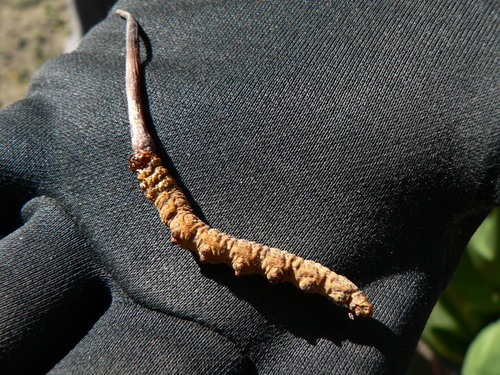
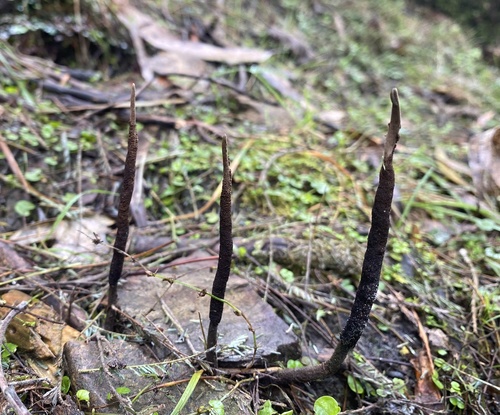
Cordyceps militaris
(L.:Fr.) Link
Scarlet caterpillar fungus
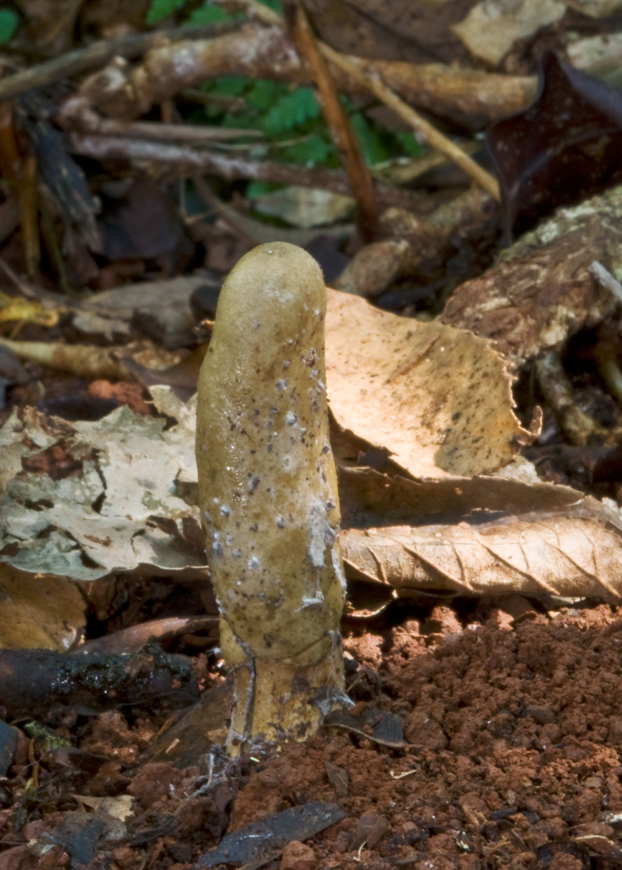
iNaturalist· cc-by-nc
(c) Ashley Morris, some rights reserved (CC BY-NC), uploaded by Ashley Morris
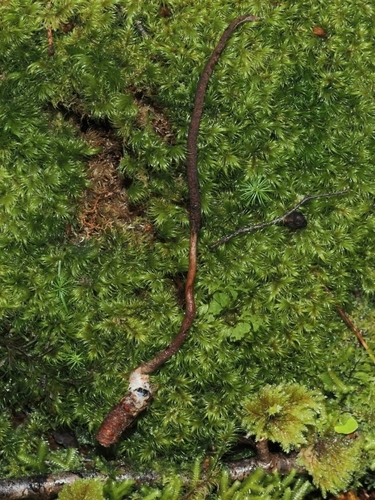
iNaturalist· cc-by-nc
(c) Thea Chesney, some rights reserved (CC BY-NC)
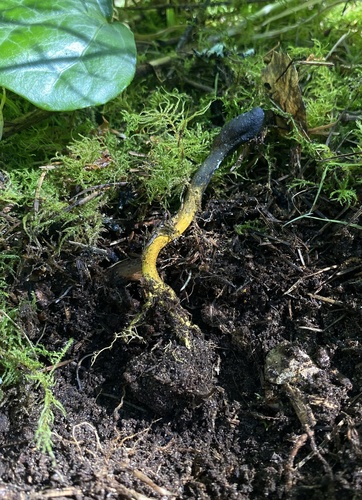
iNaturalist· cc-by-nc
(c) Thea Chesney, some rights reserved (CC BY-NC)
Summary
Source: WikipediaCordyceps militaris, commonly known as the caterpillar fungus, is a species of fungus in the family Cordycipitaceae, and the type species of the genus Cordyceps, which consists of hundreds of species. The species was originally described by Carl Linnaeus in 1753 as Clavaria militaris. Cordyceps militaris parasitizes insects and is used in traditional Chinese medicine. It is commonly marketed as a dietary supplement for various health benefits but lacks sufficient scientific evidence for safety or effectiveness, and quality can vary due to inconsistent processing and labeling.
Description
A mushroom.
This description is brief — help expand it
Edible Uses
It is considered inedible or "probably edible" by North American field guides. In Asia the fruiting body is cooked as a mushroom in dishes like chicken soup, pork bone soup and hot pot. It is approved as a novel food in China. It is commonly marketed as a dietary supplement for various health benefits but lacks sufficient scientific evidence for safety or effectiveness, and quality can vary due to inconsistent processing and labeling. Health claims are largely due to its similarity to Ophiocordyceps sinensis, itself with unproven effects.
Medicinal Uses
C. militaris produces cordycepin, a nucleoside analog of adenosine. C. militaris contains a protein CMP18 which induces apoptosis in vitro via a mitochondrion-dependent pathway. It is thought that it might be toxic when eaten. Cooking destroys this protein.
Distribution
It is a temperate plant.
Where It Grows
Asia, China,
Also Known As
Yong chongcao
References (2)
- forests-366202-SI
- Hall, I. R., et al, 2003, Edible and Poisonous Mushrooms of the World. Timber Press. p 316