Ophiocordyceps robertsii
(Hook.) G. H. Sung, J. M. Sung, Hywel-Jones & Sparafora
Vegetable caterpillar fungus
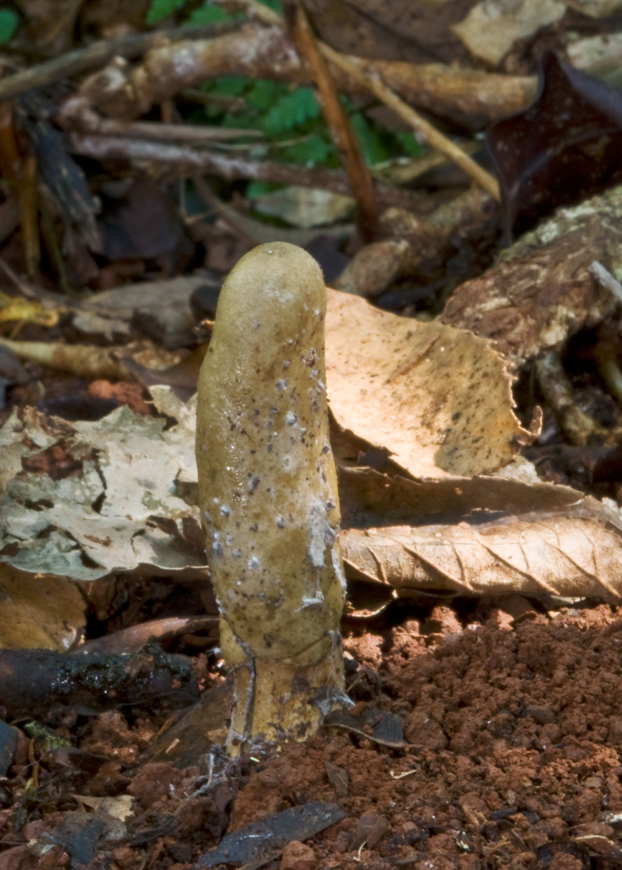
iNaturalist· cc-by-nc
(c) redbox, some rights reserved (CC BY-NC)
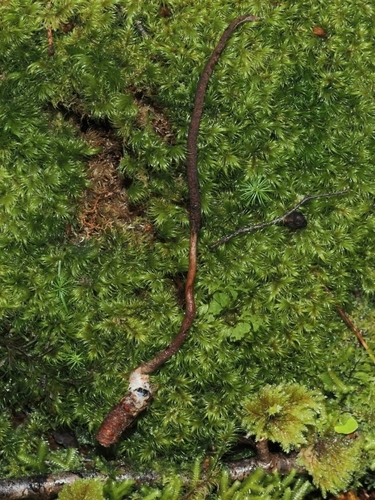
iNaturalist· cc-by-nc-sa
(c) Paul George, some rights reserved (CC BY-NC-SA)
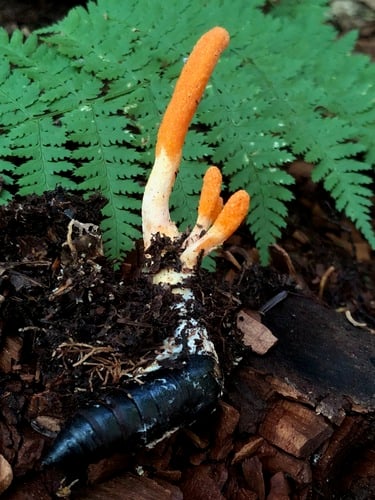
iNaturalist· cc-by-nc-sa
(c) Paul George, some rights reserved (CC BY-NC-SA)
Summary
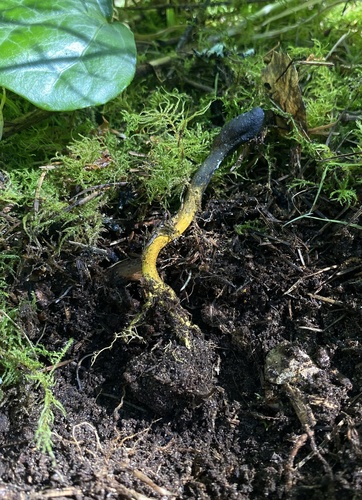
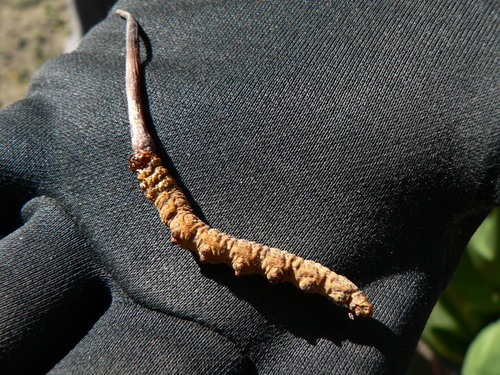
Source: WikipediaOphiocordyceps robertsii, known in New Zealand as vegetable caterpillar (Māori: āwhato or āwheto) is an entomopathogenic fungus belonging to the order Hypocreales (Ascomycota) in the family Ophiocordycipitaceae. It invades the caterpillars of leaf-litter dwelling moths and turns them into fungal mummies, sending up a fruiting spike above the forest floor to shed its spores. Caterpillars eat the spores as they feed on leaf litter, completing the fungal life cycle. Evidence of this fungus can be seen when small brown stems push through the forest floor: underneath are the dried remains of the host caterpillar. This species was first thought by Europeans to be a worm or caterpillar that burrowed from the top of a tree to the roots, where it exited and then grew a shoot of the plant out of its head. It was the first fungus from New Zealand to be given a binomial name.
Description
A temperate fungus in the Clavicipitaceae family, also known as the vegetable caterpillar fungus.
This description is brief — help expand it
Edible Uses
The mushroom or fungus is eaten.
Medicinal Uses
The parasitised caterpillar has been used by Māori as a food or to create an ink called ngārahu for traditional tā moko tattoos. The charred caterpillars were mixed with tree sap to make an almost black ink. Scientists suggest that the fungus produces antiseptic chemicals that can prevent infection. In the early 20th century, mummified caterpillars were sold to tourists as a curio.
Distribution
It is a temperate plant.
Where It Grows
Asia, China, New Zealand,
Synonyms
Also Known As
Hautatu chongcao
References (1)
- Hall, I. R., et al, 2003, Edible and Poisonous Mushrooms of the World. Timber Press. p 307 (As Cordyceps robertsii)