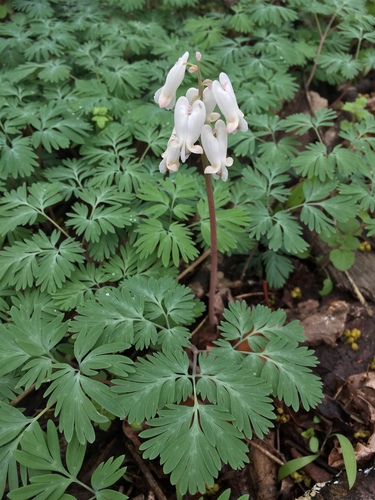
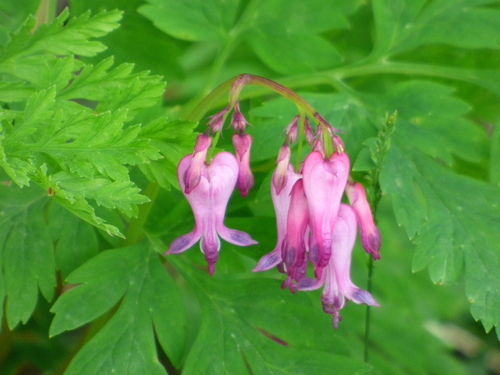
Corydalis incisa
Pers.
iNaturalist· cc-by-nc-nd
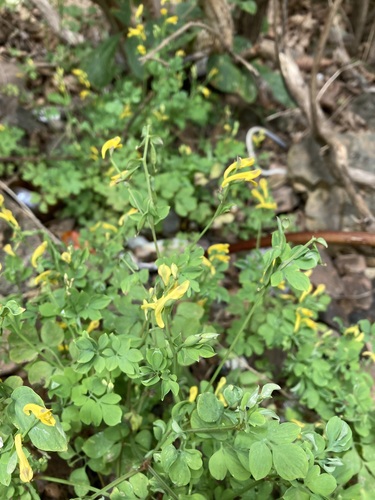
(c) fui :-), some rights reserved (CC BY-NC-ND)
iNaturalist· cc-by-nc
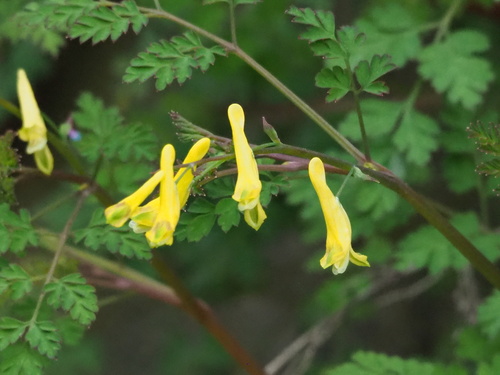
(c) lhaller, some rights reserved (CC BY-NC)
Summary
Source: WikipediaCorydalis incisa, incised fumewort, is an annual or biennial herbaceous species of plant in the poppy family. It is also known as purple keman or murasa-kike-man. Some authorities report it in the family Fumariaceae. The wildflower is native to Japan, Korea, Taiwan, and China, found in forests, clearings, and irrigation channels.
Description
A herb. It grows for one or two years. It is 10-40 cm tall. The taproot can be swollen. The stems are leafy and branched at the base. The leaves are 3-9 cm long by 3-9 cm wide and are once or twice divided.
Edible Uses
Young plants can be cooked in spring. They are noted as being slightly deleterious.
Medicinal Uses
The dried and powdered flowers are used in the treatment of rectal collapse. An aqueous decoction of the plant is used to treat abscesses. The plant is also used in Chinese and Japanese folk medicine to treat inflammation, headaches, skin diseases, and other ailments.
Distribution
It is a temperate and subtropical plant. It grows on the edges of forests and along the edges of canals. It grows from sea level to 1,800 m above sea level.
Where It Grows
Asia, China, Japan, Korea, Taiwan,
Propagation
Seed is best sown as soon as it is ripe, as it rapidly loses viability if allowed to dry out. Surface sow and keep moist; germination usually occurs in 1–3 months at 15°C, though one report indicates germination in spring. Two months of warm stratification followed by cold stratification improves germination of stored seed. Seedlings produce only one leaf in their first year and are very prone to damping off. As a biennial, this species probably germinates more easily than the perennial species.
Other Uses
None known.
Notes
There are about 300 Corydalis species.
References (1)
- Plants for a Future database, The Field, Penpol, Lostwithiel, Cornwall, PL22 0NG, UK. http://www.scs.leeds.ac.uk/pfaf/