Allium rosenorum
R. M. Fritsch
iNaturalist· cc-by-nc
(c) Andrii Churilov, some rights reserved (CC BY-NC), uploaded by Andrii Churilov
iNaturalist· cc-by-nc
(c) Mikhail Prigarov, some rights reserved (CC BY-NC)
Summary
Source: WikipediaAllium rosenorum is a species of wild onion native to Tajikistan and Uzbekistan. Its 'Michael H. Hoog' cultivar has gained the Royal Horticultural Society's Award of Garden Merit as an ornamental, and is also considered by them as a good plant to attract pollinators.
Description
A temperate onion herb in the Amaryllidaceae family.
This description is brief — help expand it
Edible Uses
Young leaves are used fresh in soup or boiled and dried for winter storage. The bulb is also edible.
Traditional Uses
Young leaves are used in soup. They are also boiled and dried for use in winter.
This uses section is brief — help expand it
Medicinal Uses
Young leaves are boiled and dried for use during winter.
Distribution
It is a temperate plant.
Where It Grows
Asia, Central Asia, China, Tajikistan, Uzbekistan,
Also Known As
Saalaf, Sialaf, Shovesha, Sijo alaf, Siolaf
References (4)
- Hisoriev, H., et al, 2017, Collection, germplasm introduction and conservation of Allium in Xinjiang and its collection garden construction. China Botanical Congress.
- Keusgan, M., et al, 2006, Wild Allium species (Alliaceae) used in folk medicine of Tajikistan and Uzbekistan. Journal of Ethnobiology and Ethnomedicine 2006, 2:18
- Khassanov, F. O., 2007, Edible Alliums of Uzbekistan. in First Kazbegi workshop on "Botany, taxonomy and phytochemistry of wild Allium L. species of the Caucasus and Central Asia".
- Soukand, R., et al, 2021, The trauma of no-choice: Wild food ethnobotany in Yaghnobi and Tajik villages, Varzob Valley, Tajikistan. Genetic Resources and Crop Evolution · December 2021
More from Amaryllidaceae
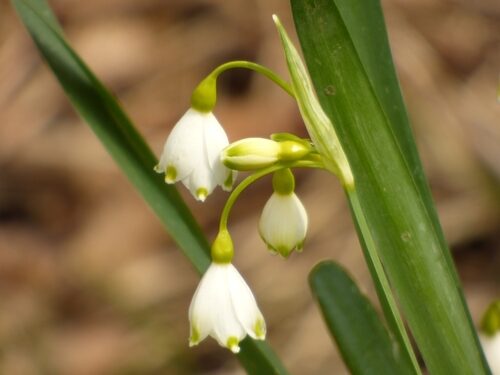
Leucojum aestivum
Summer Snowflake
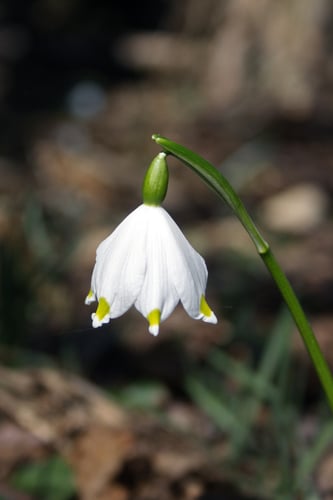
Leucojum vernum
Spring snowflake
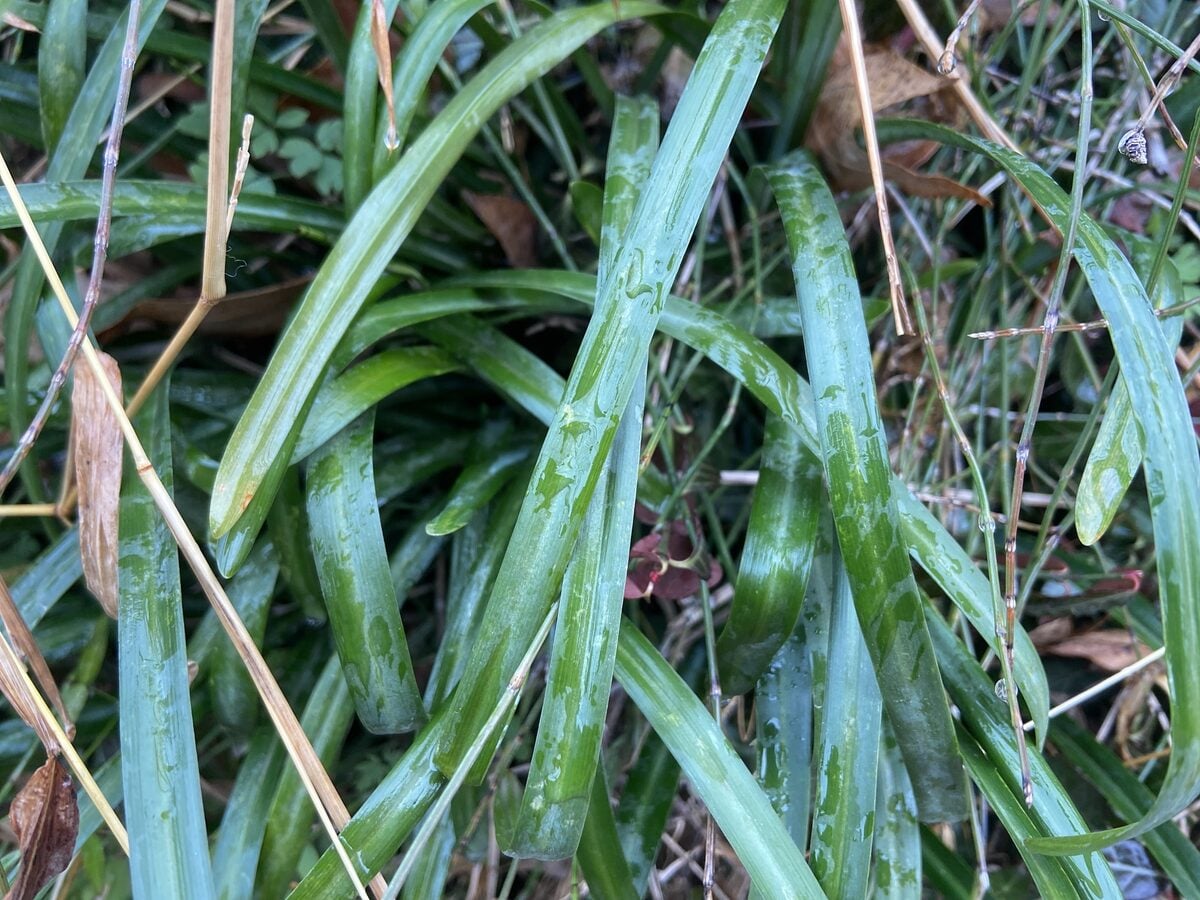
Lycoris radiata - (L'Hér.)Herb.
Spider Lily, Red spider lily, Nerine Lily, Short tube Lycoris
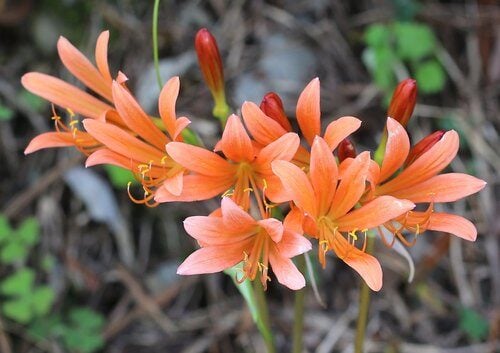
Lycoris sanguinea
Spider Lily
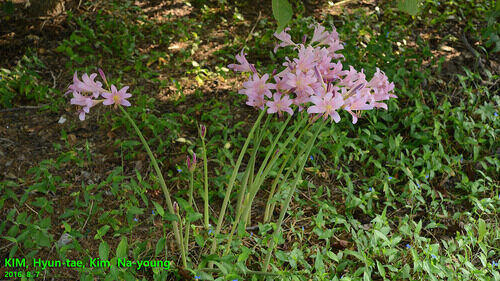
Lycoris squamigera
Resurrection Lily, Hardy Amaryllis, Magic Lily, Autumn Lycoris, Naked Lady
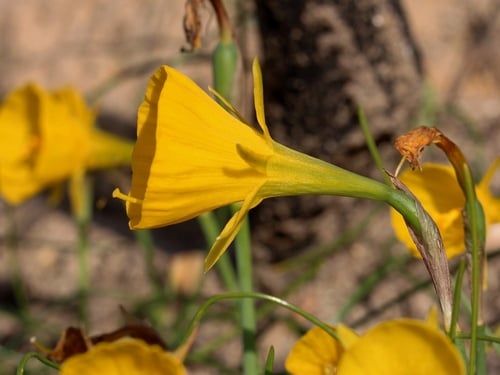
Narcissus bulbocodium
Petticoat daffodil