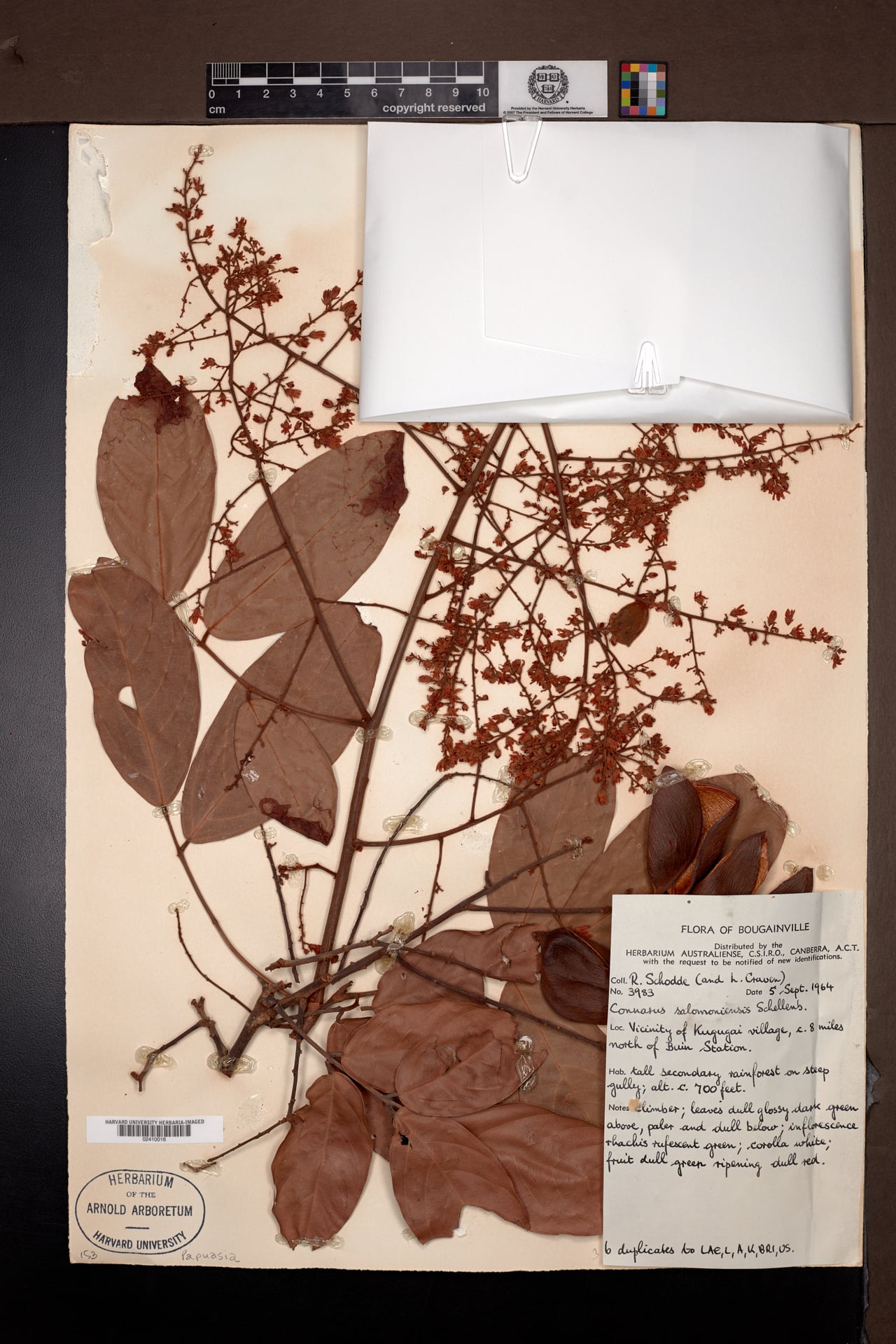
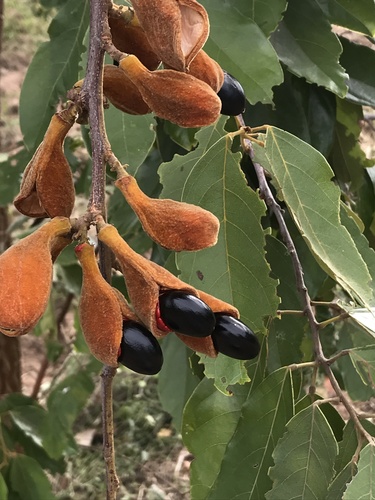
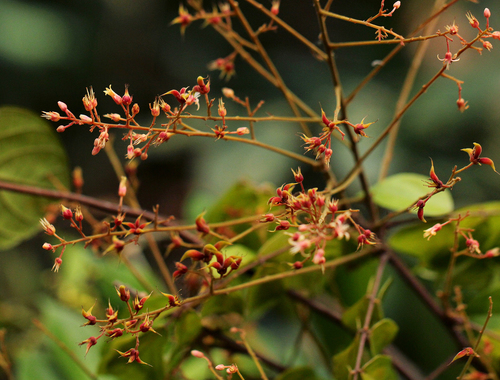
Rourea glabra
Kunth
Glabrous rourea, Wild black cherry
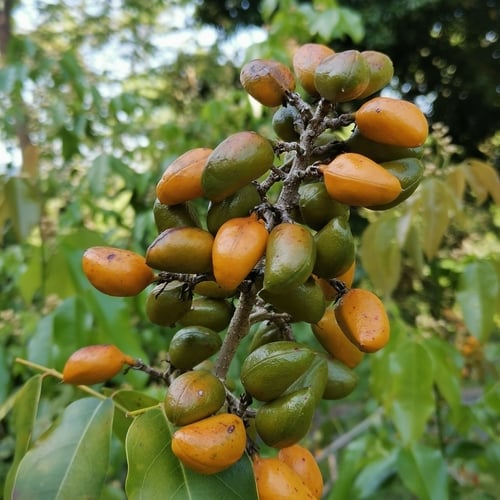
iNaturalist· cc-by
(c) Alexis López Hernández, some rights reserved (CC BY), uploaded by Alexis López Hernández
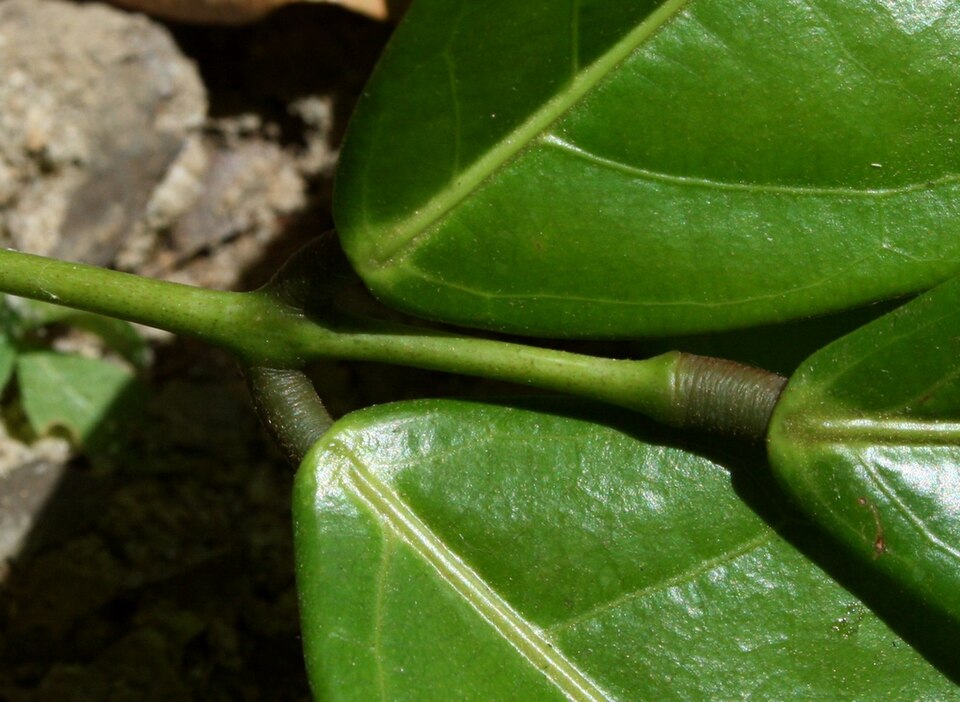
iNaturalist· cc-by
(c) Alexis López Hernández, some rights reserved (CC BY), uploaded by Alexis López Hernández
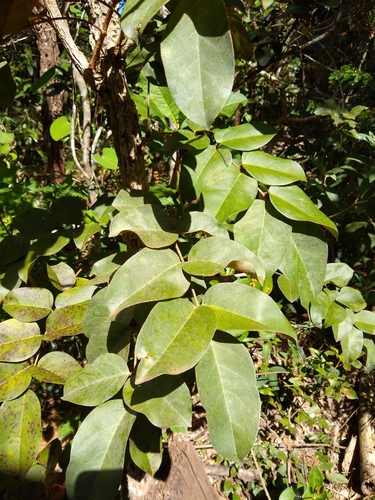
iNaturalist· cc-by-nc
(c) Pablo Carrillo-Reyes, some rights reserved (CC BY-NC), uploaded by Pablo Carrillo-Reyes
Description
Glabrous rourea is a tropical tree in the Connaraceae family.
This description is brief — help expand it
Edible Uses
The fruit is edible.
Medicinal Uses
The seeds are used as a treatment for cutaneous diseases.
Known Hazards
The seeds are very poisonous - especially to carnivorous animals. They have been used for poisoning coyotes, rats etc, and have also been used for criminal poisoning. The seeds or fruits are eaten commonly by some birds, and it is stated that if dogs eat birds that have eaten the fruit, they will die. Further, if people eat the flesh of such birds, they also are poisoned and die
Distribution
It is a tropical plant.
Where It Grows
Amazon, Belize, Bolivia, Brazil, Central America, Colombia, Greater Antilles, Mexico, Panama, South America, Venezuela,
Other Uses
A strong fibre is obtained from the pliable stems. It is obtained from the roots. It is used for cordage. The bark is a source of tannins. A red dye is obtained from the roots.
Synonyms
Also Known As
Bejuco de Llaga, Bejuco negro, Bejuco negro de rio, Chilillo
References (2)
- Grandtner, M. M. & Chevrette, J., 2013, Dictionary of Trees, Volume 2: South America: Nomenclature, Taxonomy and Ecology. Academic Press p 573
- Roa, J. A. G. & Boada, D. S. G., 2018, Fundación para el Fortalecimiento de la Fruticultura y Plantas Alimenticias no Convencionales en Colombia.