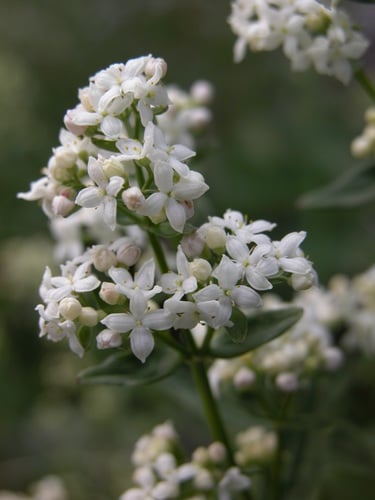
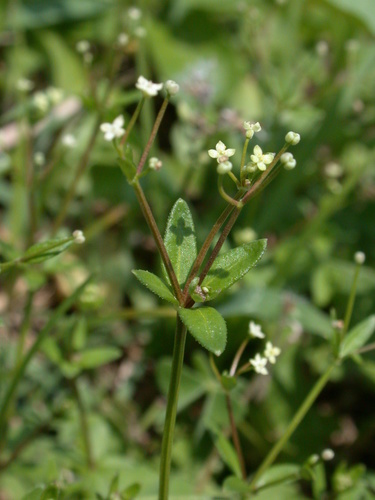
Gardenia resinifera
Roth
Brilliant gardenia, Cambi resin tree
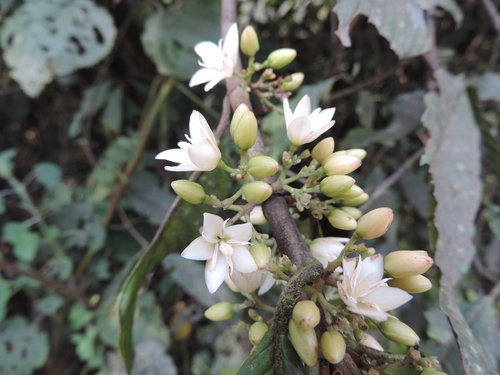
iNaturalist· cc-by
(c) P Jeganathan, some rights reserved (CC BY), uploaded by P Jeganathan
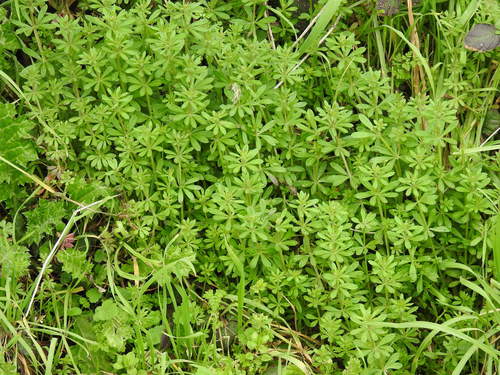
iNaturalist· cc-by-nc
(c) Radha Veach, some rights reserved (CC BY-NC)
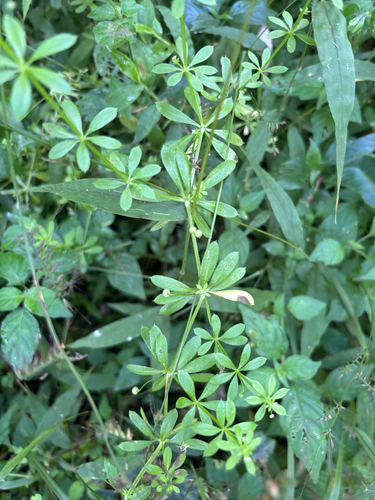
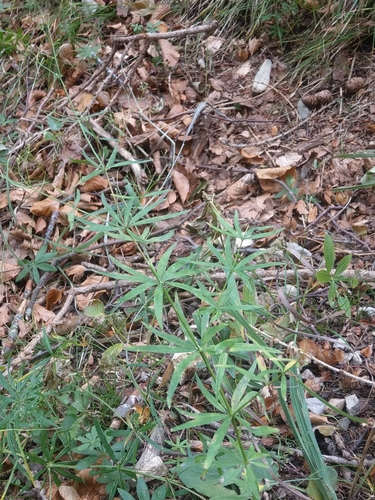
iNaturalist· cc-by-nc
(c) Radha Veach, some rights reserved (CC BY-NC)
Description
A small shrub. It grows 3 m tall. The leaves are oblong or oval. They have a short blunt point. The leaves are 6-20 cm long and narrowly oblong. The flowers occur singly in the axils of leaves. The flowers are white and have a scent. They have a long tube and then 5 oblong petals. The fruit is oblong with a hard nut. The fruit is yellow and 2-2.5 cm across.
Edible Uses
The ripe fruit are eaten raw.
Traditional Uses
The ripe fruit are eaten raw.
This uses section is brief — help expand it
Medicinal Uses
The gum is used in medicine.
Distribution
It is a tropical plant.
Where It Grows
Asia, Bangladesh, India, Myanmar, Northeastern India, SE Asia,
Other Uses
Combee resin, or gum, is obtained from the stems and buds. Strong smelling, it can be used as a repellent to keep off flies and worms. Used as an insecticide.
Production
In northeastern India plants flower and fruit September to January.
Notes
The gum is used in medicine.
Synonyms
Also Known As
Chittimiti, Dekamali, Dhikemalhi, Kathal chapa, Vetchi
References (4)
- Arinathan, V., et al, 2007, Wild edibles used by Palliyars of the western Ghats, Tamil Nadu. Indian Journal of Traditional Knowledge. 6(1) pp 163-168
- Chandrakumar, P., et al, 2015, Ethnobotanical studies of wild edible plants of Gond, Halba and Kawar tribes of Salekasa Taluka, Gondia District, Maharashtra State, India. International Research Journal of Pharmacy 6(8)
- Majumdar, K and Datta, N., 2009, Traditional wild edible fruits for the forest dwellers of Tripura, India. Pleione 3(2) 167-178
- Reddy, K. N. et al, 2007, Traditional knowledge on wild food plants in Andhra Pradesh. Indian Journal of Traditional Knowledge. Vol. 6(1): 223-229