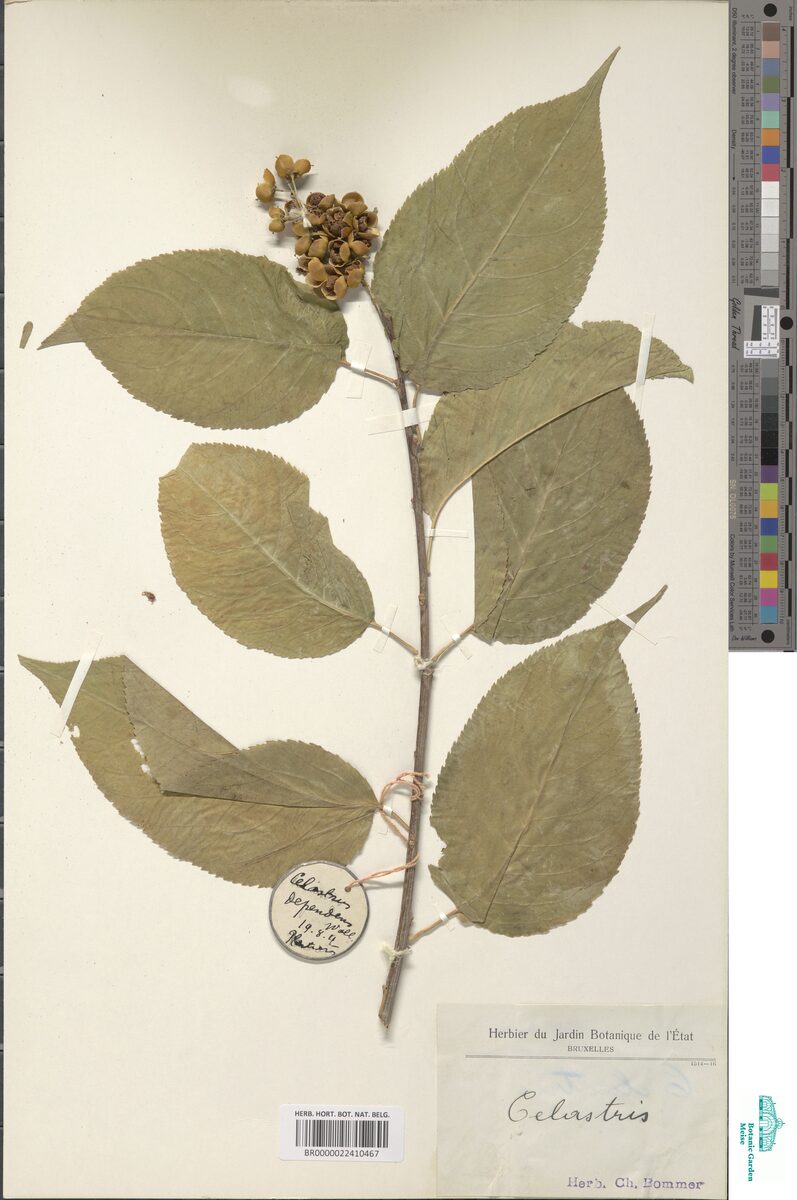
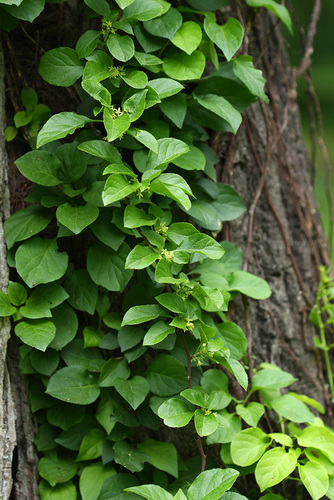
Elaeodendron xylocarpum
(Vent.) DC.
Marble tree, Olive wood
iNaturalist· cc-by
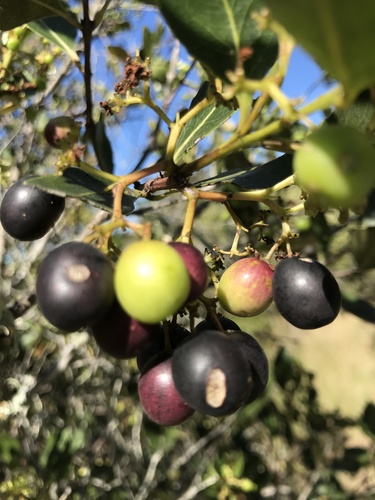
(c) Daniel Cahen, some rights reserved (CC BY), uploaded by Daniel Cahen
iNaturalist· cc-by-nc
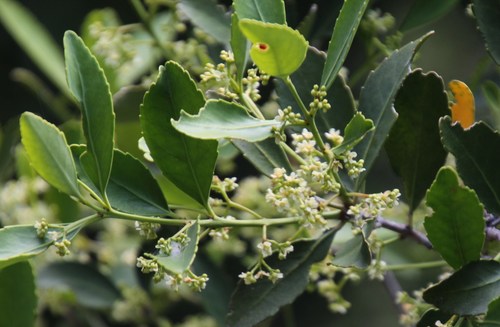
(c) Kurt Miller, some rights reserved (CC BY-NC)
iNaturalist· cc-by-nc
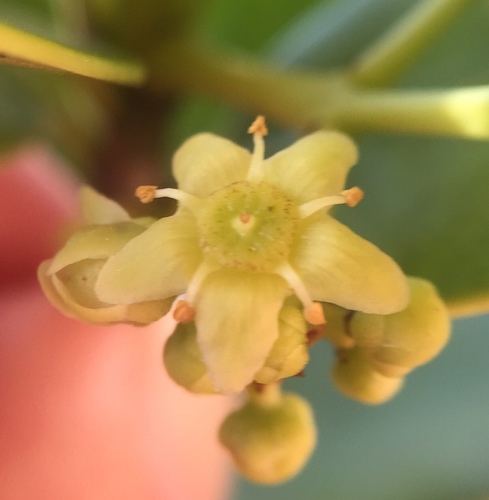
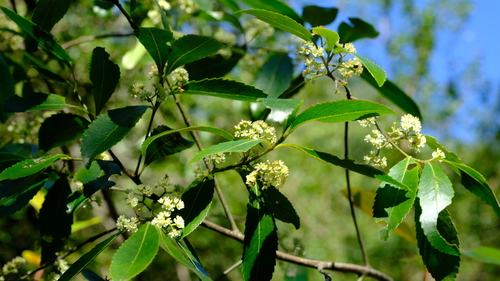
(c) Felipe Campos, some rights reserved (CC BY-NC), uploaded by Felipe Campos
Description
A tropical tree in the Celastraceae family with edible fruit, commonly known as the marble tree or olive wood.
This description is brief — help expand it
Edible Uses
The fruits are reported to be edible. The yellow, more or less globose fruit can be up to 30mm in diameter.
Medicinal Uses
Extracts of the plant are a stimulant.
Distribution
It is a tropical plant.
Where It Grows
Bahamas, Belize, Bermuda, Central America, Cuba, El Salvador, Guadeloupe, Martinique, Mexico, Nicaragua, Panama, Puerto Rico, South America, Venezuela, Virgin Islands, West Indies,
Cultivation
Marble tree is found wild in Puerto Rico at elevations from sea level to around 300 metres; growing in areas where the mean annual rainfall ranges from 750 - 1,800mm. Moderately intolerant of shade, the plant can persist and grow slowly under low forest but needs to be open-grown or at least have broken sunlight in order to flower and fruit. The species is drought-tolerant and usually grows on excessively well-drained situations such as beaches, bluffs, rocky headlands, and rocky ridges. Marble tree often grows out of cracks in rocks, it is most often seen in areas of limestone and ultramafic (serpentine) rocks. Marble tree grows slowly. A one metre tall sapling with a basal diameter of 1.5cm growing in the understory of low basal area moist forest had 37 annual rings. Individuals as large as 20cm in diameter at breast height must be several decades old. The plant is supported by an extensive shallow and deep lateral root system with sinkers and sometimes a discernable taproot. The roots are orange and stiff. The bark has an odour of licorice when broken. Management of the species should include protection from fire and from commercial development of habitat. Existing understory seedlings and saplings could be released from competition by thinning or eliminating the overstory in patches.
Propagation
Seed - A collection of air-dried seeds in Puerto Rico averaged 3.19 +0.076 g/seed or 313 seeds/kg. Sown in commercial potting mix, they began germinating in 26 days and completed 82 percent germination. The species can also be propagated by asexual means. Fifty-six and 21 percent, respectively, of air layers and misted cuttings treated with IBA rooted. The newly formed roots are fragile and easily broken off during transplanting. The seeds are probably dispersed by fruit bats. Seedlings and saplings are relatively common in and around Puerto Rican stands of the species.
Other Uses
The wood is light-brown, hard, heavy, fine-textured, strong, and durable. It is certainly useful for fence posts, and possibly also for carving and turnery. The wood is used for fuel. The species is reported to be a nickel accumulator.
Synonyms
Also Known As
Capulin de chivo, Coscorron, Gosco, Gospo, Guayabote, Guayarote, Laurel de costa, Mate prieto, Palo blanco, Pilon, Pilon morado, Pinipiniche de sabana, Pini-pini, Ronoso, Sangre de doncella
References (1)
- Grandtner, M. M. & Chevrette, J., 2013, Dictionary of Trees, Volume 2: South America: Nomenclature, Taxonomy and Ecology. Academic Press p 215