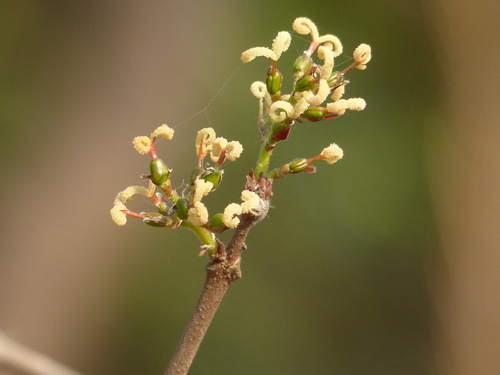
Caryodendron janeirense
Mull.Arg.
gbif· cc-by
Universidade Federal Rural do Rio de Janeiro (RBR)
gbif· cc-by-nc
Field Museum of Natural History - Botany Department
Description
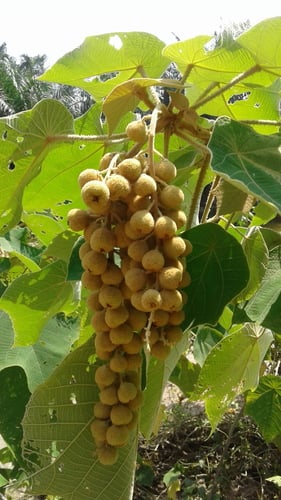
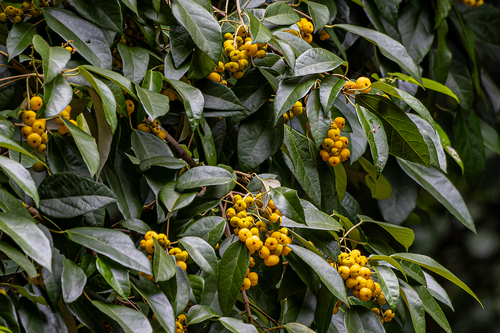
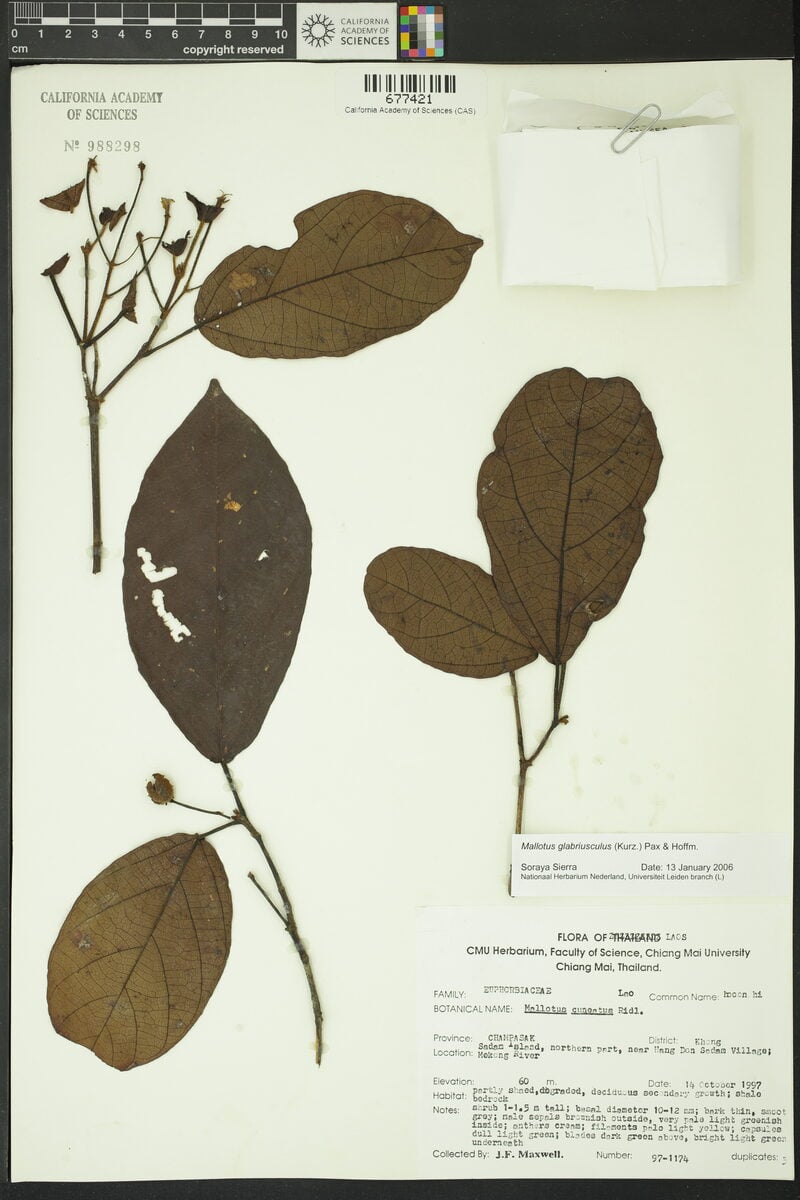
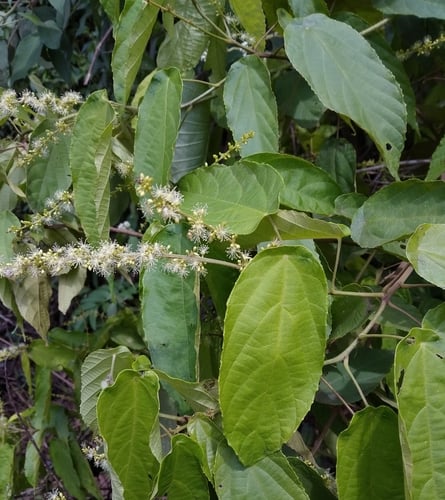
A tropical tree in the Euphorbiaceae family.
This description is brief — help expand it
Edible Uses
The fruit and seeds are edible.
Distribution
It is a tropical plant.
Where It Grows
Brazil, Ecuador, Peru, South America,
Cultivation
Succeeds in full sun to fairly dense, dappled shade. Prefers a deep, moist soil. Young plants have a rapid rate of growth.
Propagation
Seed - best sown as soon as it is ripe in a partially shaded position in a nursery seedbed. A germination rate of less than 50% can be expected, with the seed sprouting within 30 - 50 days.
Other Uses
The wood is coarse-textured, straight-grained, light in weight, easy to cut, with poor mechanical properties and susceptible to the attacks of wood-eating organisms. It can be used for making boxes, window and door frames, moldings etc.
Synonyms
Also Known As
Castanhola, Naamp, Rio de Janeiro caryodendron
References (1)
- Grandtner, M. M. & Chevrette, J., 2013, Dictionary of Trees, Volume 2: South America: Nomenclature, Taxonomy and Ecology. Academic Press p 104