Brosimum parinarioides subsp. amplicoma
(Ducke) C. C. Berg
iNaturalist· cc-by-nc-sa
(c) anonyme973, some rights reserved (CC BY-NC-SA)
iNaturalist· cc-by-nc
(c) Nils Servientis - Bivouac Naturaliste, some rights reserved (CC BY-NC)
iNaturalist· cc-by-nc
(c) Nils Servientis - Bivouac Naturaliste, some rights reserved (CC BY-NC)
Summary
Source: WikipediaBrosimum parinarioides, also called leite de amapá, is an evergreen tree which grows in the semi-arid to humid tropical lowlands of South America. It can reach a height of up to 32 m.
Description
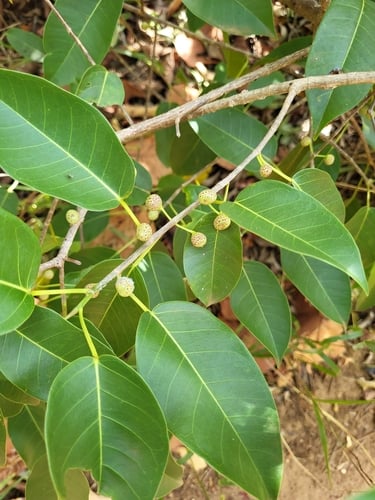
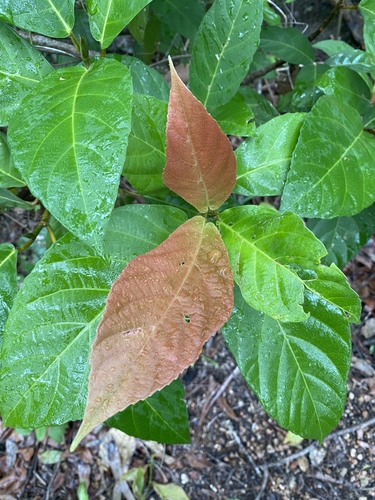
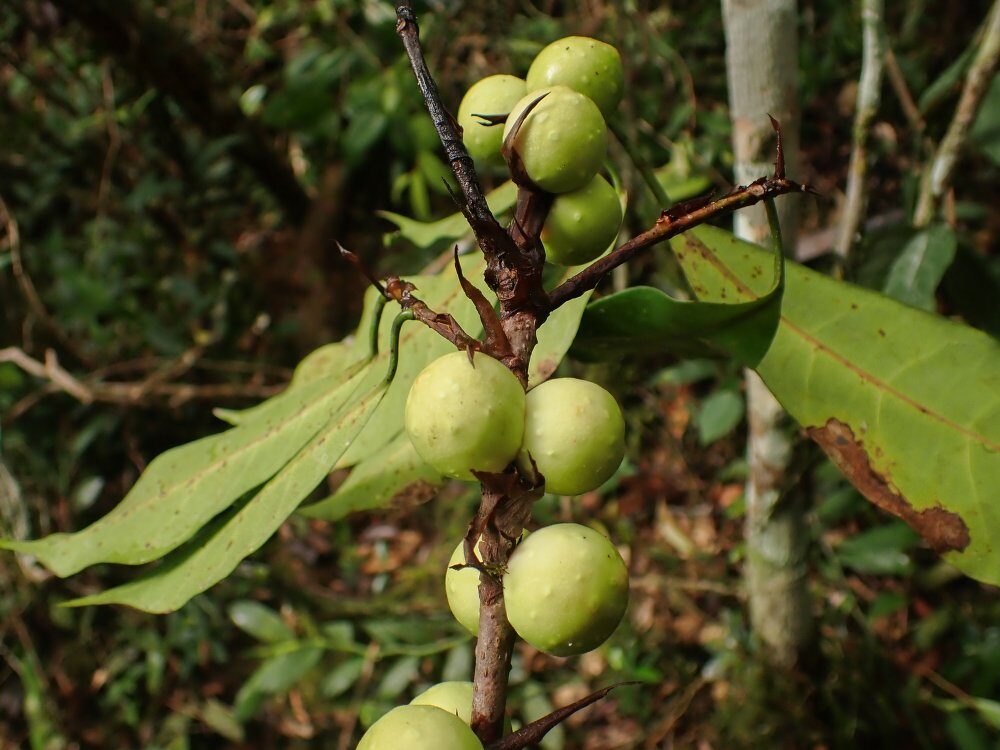
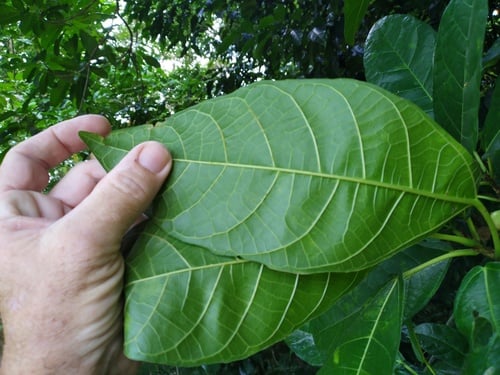
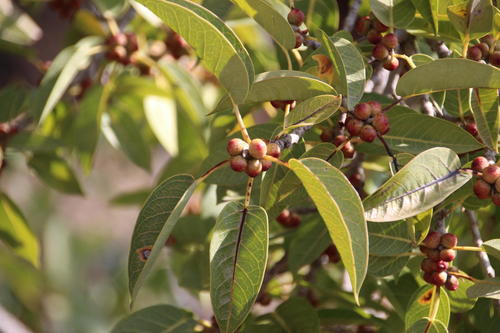
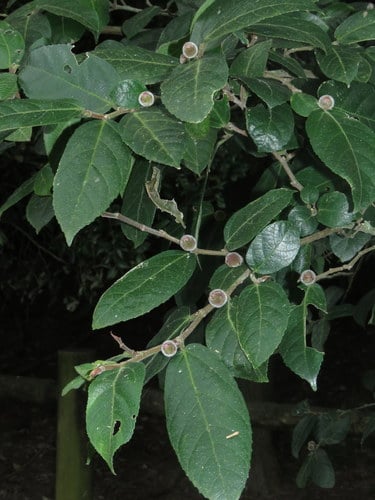
A tree. It grows 32 m tall. It has white sap. The trunk can have buttresses. The trunk can be 1.1 m across. The leaves are narrowly oval to oblong. The fruit are green.
Edible Uses
Brosimum parinarioides can be used in carbon farming, as it is a canopy tree in rainforests. It is used for medicinal purposes, as an edible milk, and for its wild harvested nuts. Brosimum parinarioides can be used as an adulterant of balata. (Balata is "a gum or latex made from tree sap and resembling rubber" which can be made into gaskets, chewing gum, or a gutta-percha substitute.)
Distribution
It is a tropical plant. It grows in wet places.
Where It Grows
Amazon, Bolivia, Brazil, Colombia, Peru, South America,
Cultivation
Plants can be grown by seed.
Synonyms
Also Known As
Amapa-doce, Caucho-macho, Chimicua, Machinga
References (2)
- Grandtner, M. M. & Chevrette, J., 2013, Dictionary of Trees, Volume 2: South America: Nomenclature, Taxonomy and Ecology. Academic Press p 73
- Roa, J. A. G. & Boada, D. S. G., 2018, Fundación para el Fortalecimiento de la Fruticultura y Plantas Alimenticias no Convencionales en Colombia.