Achillea tenuifolia
Lam.
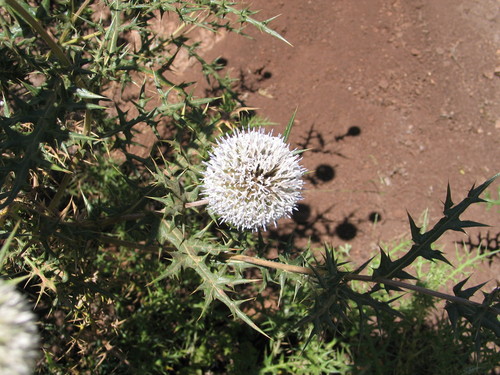
iNaturalist· cc-by-nc
(c) MRN, some rights reserved (CC BY-NC), uploaded by MRN
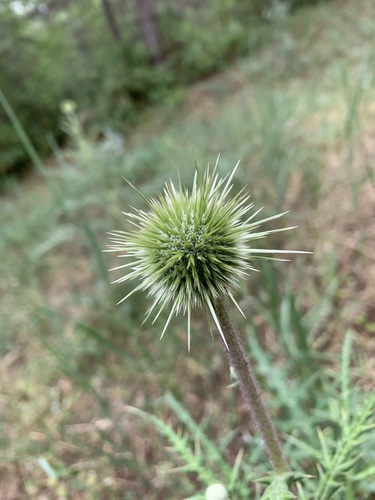
iNaturalist· cc-by-nc
(c) MRN, some rights reserved (CC BY-NC), uploaded by MRN
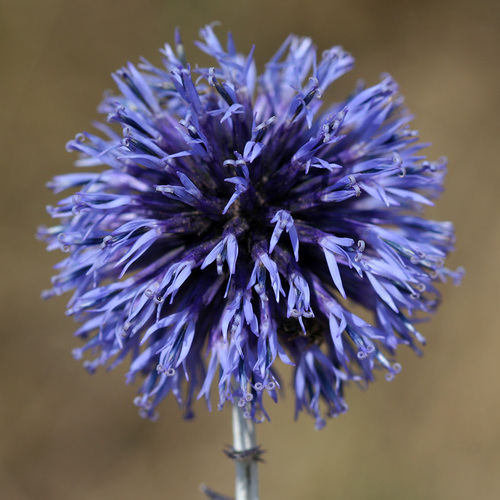
iNaturalist· cc-by-nc
(c) MRN, some rights reserved (CC BY-NC), uploaded by MRN
Description
A shrub or small tree. It grows 5 m tall. There are prickles along the stem. The leaves are twice divided and there are 8-18 pairs of pinnae. There are up to 50 pairs of pinnules on each pinnae. The flowers are yellow. They are in large clusters at the ends of branches. The pods are flattened.
Edible Uses
The leaves are eaten raw as salads or cooked with yoghurt. The leaves, stems, and flowers are edible.
Traditional Uses
The leaves are eaten raw as salads or cooked with yoghurt.
This uses section is brief — help expand it
Distribution
It is a temperate plant.
Where It Grows
Armenia, Caucasus, Europe, Mediterranean, Turkey, Türkiye,
Other Information
It is sold in local markets.
Also Known As
Chobani banjar, Çobankirpiği, Hazaraterevuk
References (4)
- Al-Ismail, A. et al, 2007, Antioxidant Activities of some Edible Wild Mediterranean Plants. Ital. J. Food Sci. n. 3, vol. 19 - 2007 287 (As Achillea santolina)
- Cakir, E. A., 2017, Traditional knowledge of wild edible plants of Iğdır Province (East Anatolia, Turkey). Acta Soc Bot Pol. 2017;86(4):3568.
- Ertug, F, Yenen Bitkiler. Resimli Türkiye Florası -I- Flora of Turkey - Ethnobotany supplement
- Nanagulyan, S., et al, 2020, Wild plants and fungi sold in the markets of Yerevan (Armenia). Journal of Ethnobiology and Ethnomedicine 16:26