Annona stenophylla subsp. longipetiolata
(R. E. Fr.) N. Robson
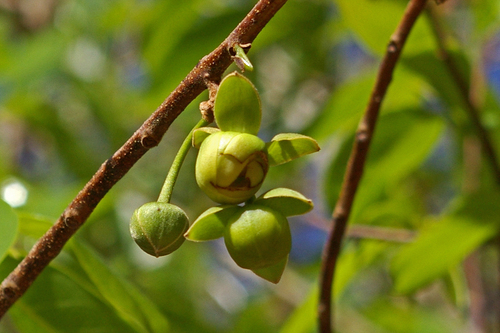
iNaturalist· cc-by
(c) i_c_riddell, some rights reserved (CC BY), uploaded by i_c_riddell
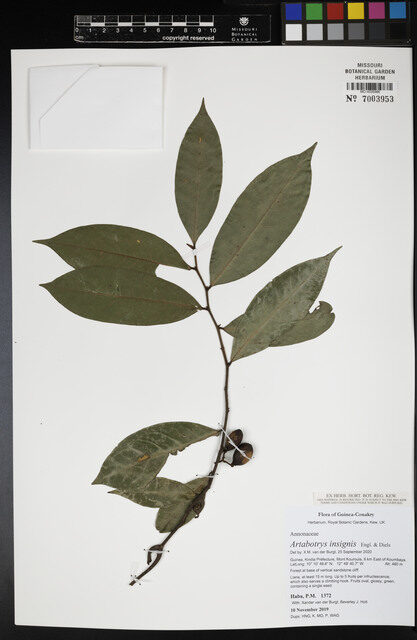
iNaturalist· cc-by-nc
(c) Bart Wursten, some rights reserved (CC BY-NC)
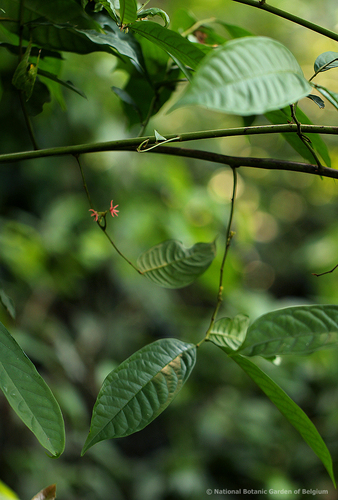
iNaturalist· cc-by-nc
(c) Nicholas Wightman, some rights reserved (CC BY-NC)
Summary
Source: WikipediaAnnona stenophylla is a species of plant in the family Annonaceae. It is native to Tanzania and Zambia. Adolf Engler and Ludwig Diels, the German botanists who first formally described the species, named it after its narrow leaves (Latinized forms of Greek στενός, stenós, and φύλλον, phúllon).
Description
A small creeping tropical vine in the Annonaceae family found in Miombo woodland and savannah habitats.
This description is brief — help expand it
Edible Uses
The fruit is eaten.
Medicinal Uses
A paste of the roots is used in traditional medicine in Zimbabwe to treat Sexually transmitted infections and as a snake repellant. Bioactive molecules extracted from the bark of the root are reported to have hypoglycemic activity in diabetic mice. The pulp of the ripe fruit is edible, with a sweet and pleasant taste. It is sought after for eating out of hand and also pressing for juice.
Distribution
It is a tropical plant. It grows in Miombo woodland. It grows in savannah.
Where It Grows
Africa, East Africa, Zambia,
Synonyms
Also Known As
Mununganunga
References (1)
- Malaisse, F., 2010, How to live and survive in Zambezian open forest (Miombo Ecoregion). Les Presses Agronomiques de Gembloux.