Astrocaryum ulei
Burret
iNaturalist· cc-by-nc
(c) Marcus Athaydes, some rights reserved (CC BY-NC), uploaded by Marcus Athaydes
iNaturalist· cc-by-nc
(c) Marcus Athaydes, some rights reserved (CC BY-NC), uploaded by Marcus Athaydes
iNaturalist· cc-by-nc
(c) Marcus Athaydes, some rights reserved (CC BY-NC), uploaded by Marcus Athaydes
Description
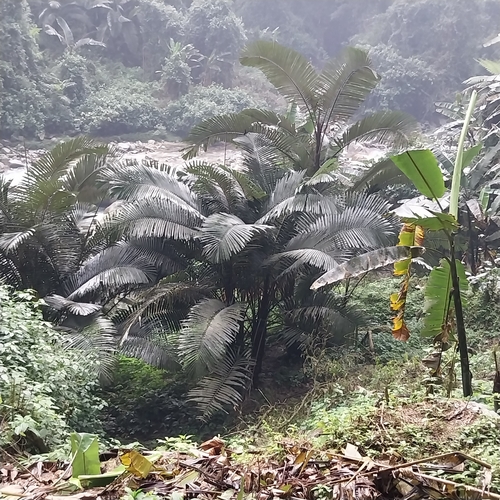
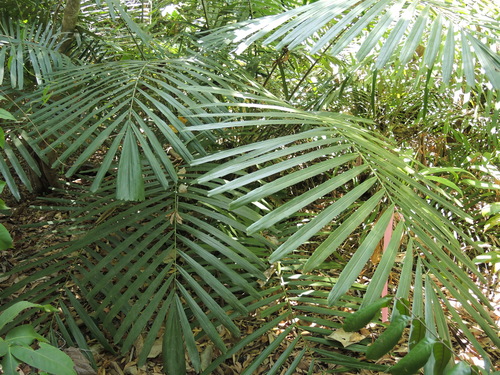
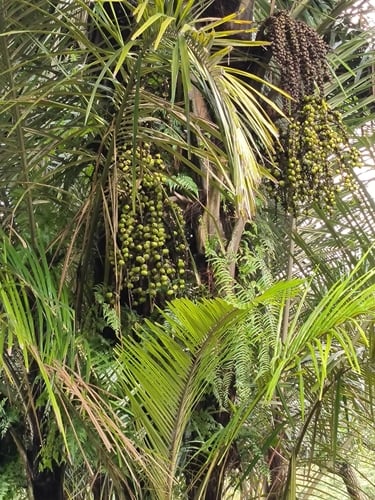
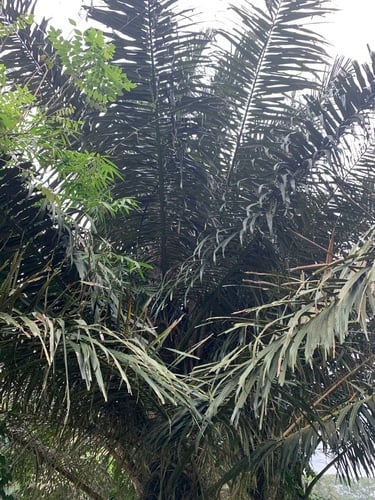
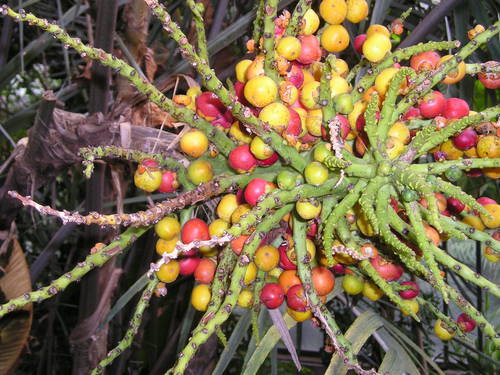
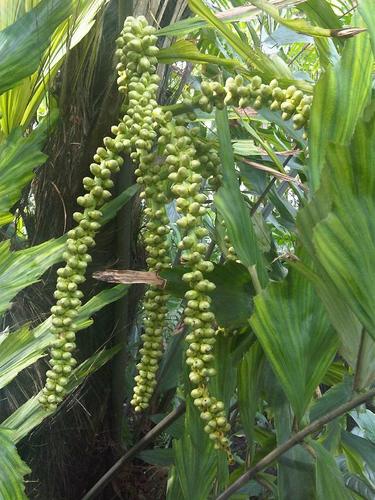
A solitary palm. The trunk is 8 m tall and 30 cm across. There are several suckers from the base. The trunk has leaf scars. There are 8-12 leaves. The leaf stems are 4-6 m long. They have spines. They have leaflets along the side. There are 85-106 leaflets on each side. These are 2-2.5 cm wide, and 1 m long. The flowers shoots point upwards and are 95 cm long. The fruit are oval and 2.5-3.5 cm long by about 2 cm wide.
Edible Uses
The fruit and seeds of several species are used for human food, oil production and fish bait. Leaves are used as a source of fibre and stems as building material. Species are also used medicinally and as a source of palm heart.
Traditional Uses
The liquid content of the fruit is drunk. The fleshy layer is eaten.
This uses section is brief — help expand it
Distribution
It is a tropical plant.
Where It Grows
Amazon, Bolivia, Brazil, Peru, South America,
Other Uses
The hard endocarp of various Amazonian species is commonly used to make beads and ornaments for necklaces
Also Known As
Chonta loro, Chonta tara, Huicungo, Pani
References (1)
- Zambrana, P, et al, 2017, Traditional knowledge hiding in plain sight – twenty-first century ethnobotany of the Chácobo in Beni, Bolivia. Journal of Ethnobiology and Ethnomedicine (2017) 13:57