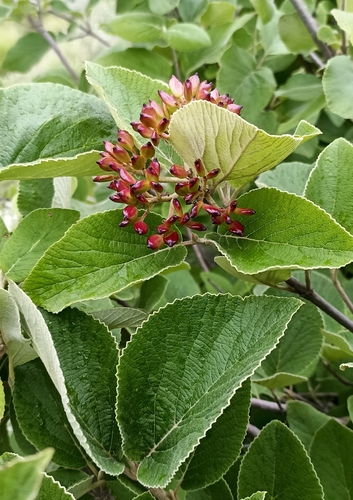
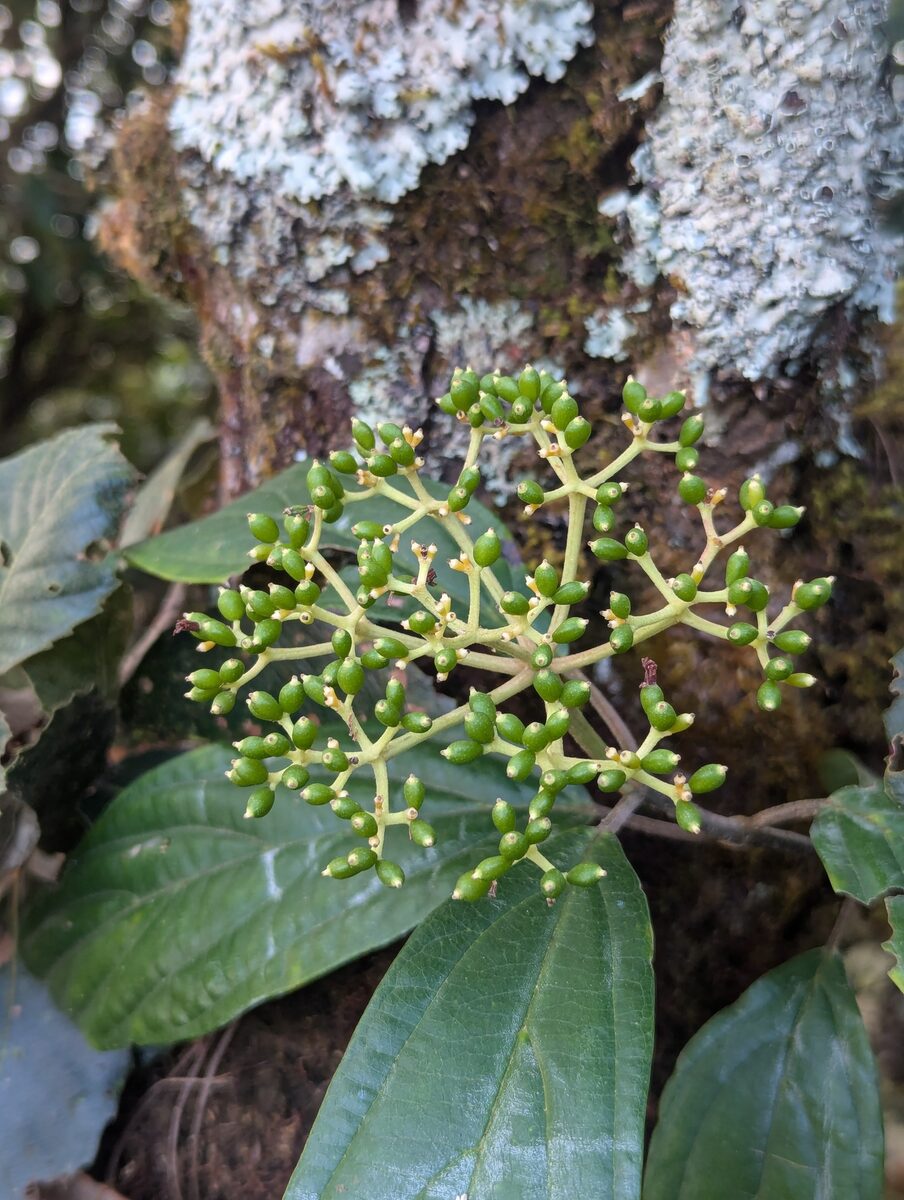
Sambucus peruviana
Kunth
iNaturalist· cc-by-nc
(c) Alberto, some rights reserved (CC BY-NC), uploaded by Alberto
iNaturalist· cc-by-nc
(c) Alberto, some rights reserved (CC BY-NC), uploaded by Alberto
iNaturalist· cc0
no rights reserved
Summary
Source: WikipediaSambucus peruviana is a species of tree in the family Adoxaceae. It is native to Central America and South America.
Description
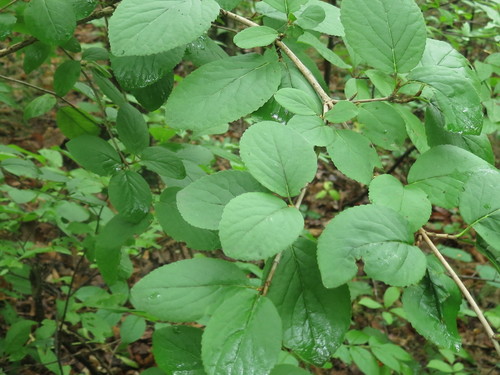
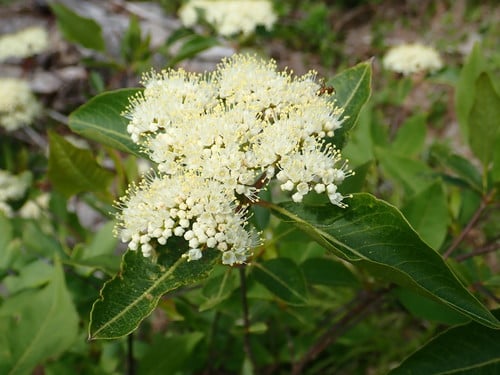
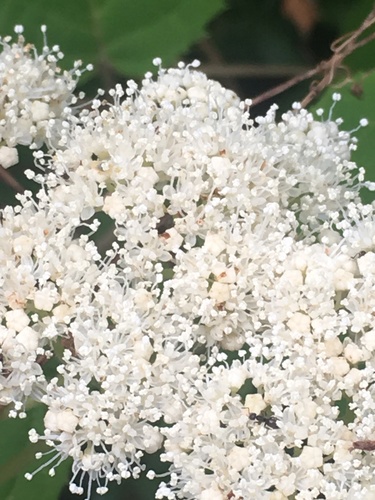
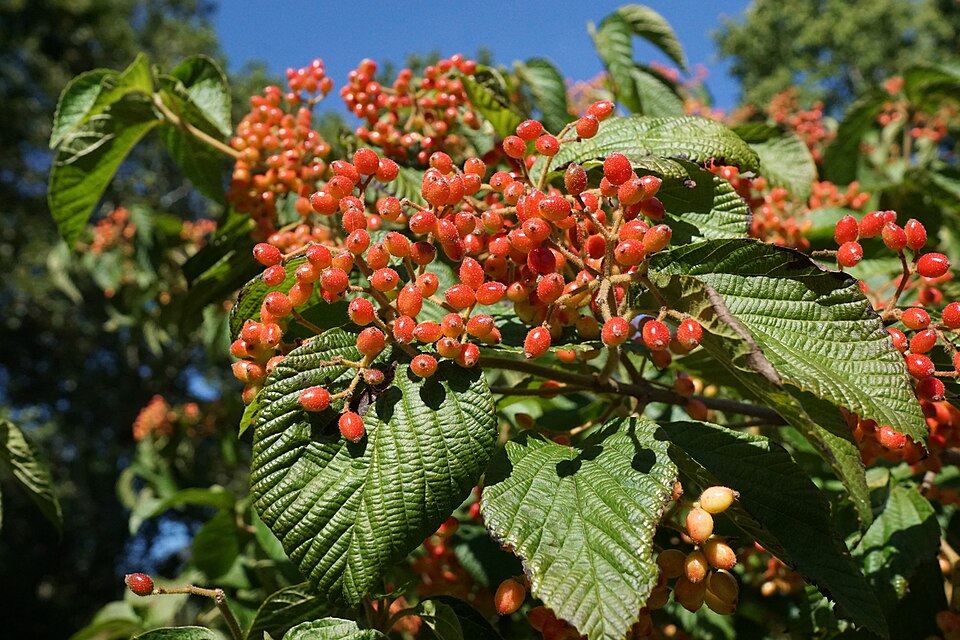
A tree. It grows 8-12 m tall. The trunk is irregular shaped. The leaves are compound with 7-9 leaflets. These have teeth along the edge and are hairy underneath. The flowers are white and in groups 18-22 cm long. They have a scent. The fruit are black berries 1.2 cm across. They have 3-5 seeds.
Edible Uses
Fruit - cooked and made into a syrup. Used in the preparation of jams, wine and non-alcoholic drinks.
Traditional Uses
The fruit are used for drinks, jams and wine.
This uses section is brief — help expand it
Medicinal Uses
The fruits can be made into jams, drinks, and wines. The leaves, flowers and fruits have medicinal properties; analgesic, antiinflammatory, antiseptic, sudorific. The wood is hard and resistant, used for construction, tools and making of quenas.
Distribution
It is a tropical plant. It grows between 2,800-3,900 m above sea level.
Where It Grows
Andes, Argentina, Bolivia*, Central America, Colombia, Costa Rica, Panama, Peru, South America,
Cultivation
A plant of higher elevations in the tropics, often found at elevations over 3,000 metres.
Other Uses
The plant is cultivated as a part of hedges in Peru. It is also used in soil stabilization and/or water conservation schemes on an experimental basis in Bolivia.
Dangerous Lookalikes
This plant can be confused with the following toxic species. Always verify identification carefully before consuming any wild plant.
Pokeweed
Phytolacca americana
Jakec
Sambucus peruviana
Sambucus peruviana
(c) Alberto, some rights reserved (CC BY-NC), uploaded by Alberto
Pokeweed: Thick red/purple herbaceous stems (no bark), berries in a line (raceme), simple large leaves, large white taproot.
Sambucus peruviana: Woody bark, berries in broad flat clusters (cymes), compound leaves with 5-7 leaflets.
Also Known As
Kiola, R'ayan, Sauco
References (2)
- Hensen, I., 1992, La Flora de la Comunidad Chorojo, Su uso, taxonomía científica y vernacular. Agroecología Universidad Cochabamba p 23
- Wiersema, J. H. & Leon, B., 2013, World Economic Plants. A Standard Reference CRC Press. 2nd Ed. p 612